 0
0
 0
0
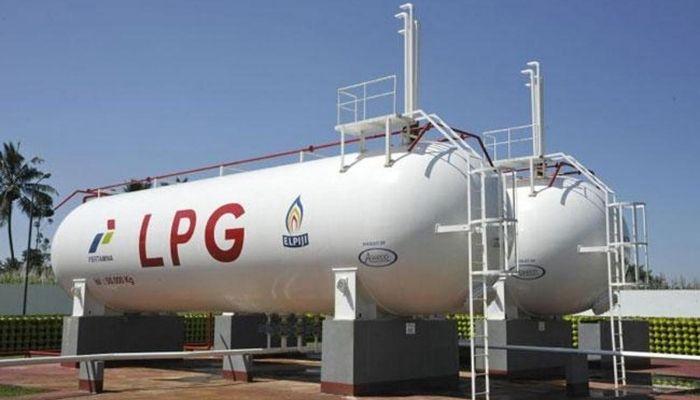
The Nigeria LPG domestic market allocation has shifted significantly after Nigeria LNG Limited confirmed that 100% of the country’s Liquefied Petroleum Gas (LPG) output is now directed to local consumption. Nigeria LNG Limited made the disclosure while explaining that rising demand, not reduced production, is driving the full domestic allocation.
The development reflects growing energy needs across Nigeria, especially as more households and businesses transition to cleaner cooking fuel alternatives.
Nigeria LPG Domestic Market Allocation Reaches Full Capacity
The Nigeria LPG domestic market allocation now stands at full utilization, according to the Managing Director of Nigeria LNG Limited, Adeleye Falade.
Key Statement on LPG Supply
Falade explained that:
- 100% of LPG production is currently supplied locally
- Production levels remain stable
- Demand growth is the main driver of allocation changes
This marks a significant shift in how Nigeria manages its domestic gas resources.
Rising Demand Drives Nigeria LPG Domestic Market Allocation Shift
The adjustment is directly linked to increased national consumption of cooking gas.
Factors Behind Rising Demand
Several reasons are contributing to higher LPG usage:
- Growing urban population
- Shift from firewood and kerosene
- Increased awareness of cleaner energy
- Expansion of household gas infrastructure
As demand rises, supply is being redirected to ensure domestic stability.
Nigeria LNG Explains Domestic Gas Strategy
The decision is part of a broader strategy by Nigeria LNG to strengthen local energy access.
Strategic Energy Approach
According to Falade:
- The company is actively supporting domestic energy security
- LPG supply is being used to stabilize the local market
- Gas availability is aligned with national energy priorities
Nigeria LNG Limited emphasized that the approach is intentional and structured, not temporary.
Expansion Plans to Boost LPG Supply Capacity
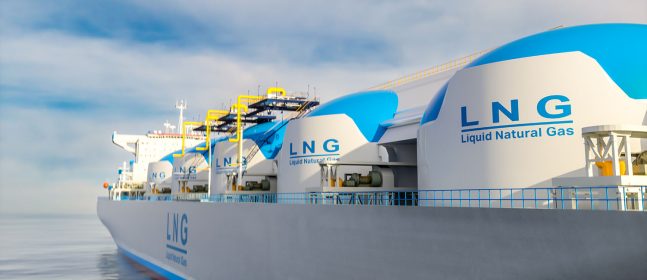
The Nigeria LPG domestic market allocation is expected to grow further with upcoming infrastructure expansion.
Train 7 Project Impact
Falade highlighted that:
- The “Train 7” project will increase production capacity by about 35%
- Both domestic supply and exports will benefit
- Nigeria’s energy market will gain additional stability
Expected Benefits
- Increased LPG availability
- Reduced supply pressure
- Strengthened energy security
Regulatory Support for Gas Sector Growth
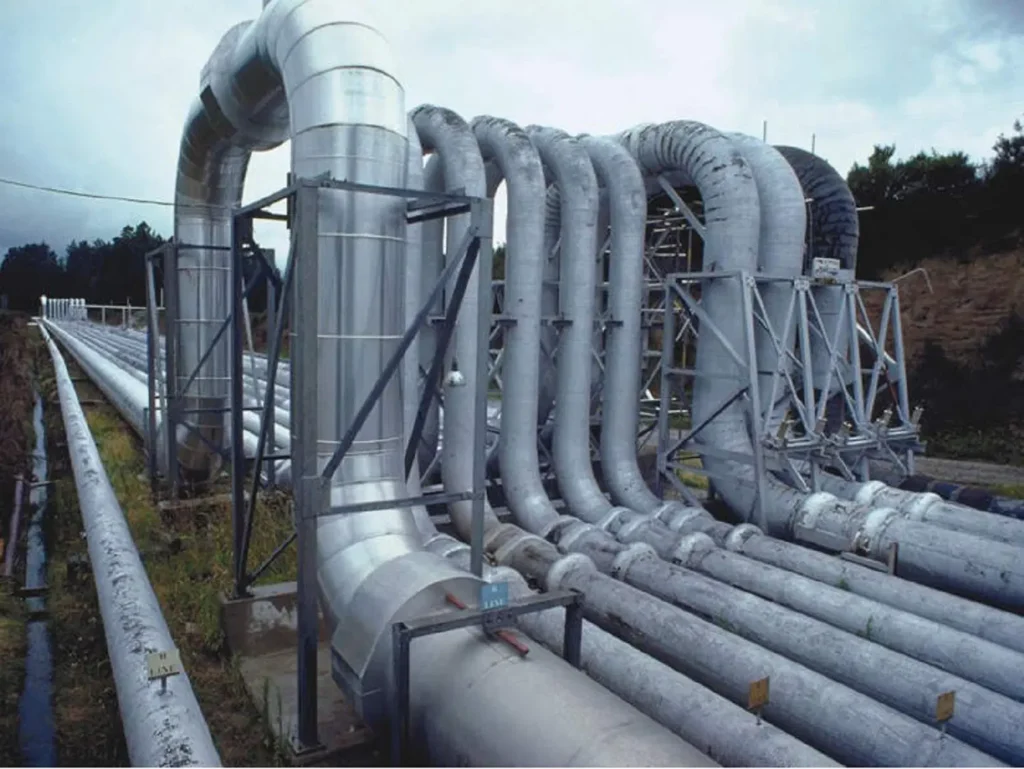
The Nigeria LPG domestic market allocation strategy is supported by regulatory reforms aimed at improving the energy sector.
Role of NUPRC
The Nigerian Upstream Petroleum Regulatory Commission is focused on enabling smoother operations in the gas industry.
Nigerian Upstream Petroleum Regulatory Commission has stated that reforms are being implemented under the Petroleum Industry Act.
Key Regulatory Focus Areas
- Business-friendly regulatory environment
- Faster approval processes
- Improved stakeholder coordination
- Enhanced investment confidence
Government Push for Gas Development in Nigeria
The Nigeria LPG domestic market allocation aligns with Nigeria’s broader energy development strategy.
“Decade of Gas” Initiative
Officials describe the initiative as a long-term framework aimed at:
- Expanding domestic gas use
- Increasing industrial gas consumption
- Strengthening export capacity
The initiative supports Nigeria’s transition toward cleaner energy sources.
Stakeholder Engagement and Industry Stability
The Nigeria LPG domestic market allocation is also being supported through continuous engagement between regulators and industry operators.
Industry Coordination Efforts
The regulator noted:
- Monthly stakeholder meetings are held
- Industry challenges are addressed proactively
- Operational risks are reduced before escalation
This approach aims to improve stability in the gas sector.
Impact on Nigerian Energy Consumers
The Nigeria LPG domestic market allocation has direct implications for households and businesses across the country.
Benefits for Consumers
- Improved LPG availability in local markets
- Greater supply stability
- Potential reduction in fuel switching to less clean alternatives
Long-Term Expectations
- Wider access to cooking gas
- Increased adoption of LPG in rural and urban areas
- Strengthening of domestic energy infrastructure
Future Outlook for LPG Supply in Nigeria
The Nigeria LPG domestic market allocation is expected to remain a key policy focus as demand continues to grow.
Key Outlook Factors
- Continued population growth
- Expanding energy infrastructure
- Ongoing production capacity expansion
- Government energy diversification policies
With these developments, Nigeria’s LPG market is likely to remain dynamic in the coming years.
FAQ
What is Nigeria LPG domestic market allocation?
It refers to the current policy where 100% of Nigeria’s LPG production is supplied to the domestic market.
Why is all LPG now used locally in Nigeria?
The shift is due to increased domestic demand rather than a drop in production.
Will LPG supply increase in the future?
Yes, production capacity is expected to grow with expansion projects like Train 7.
Which agency regulates Nigeria’s gas sector?
The Nigerian Upstream Petroleum Regulatory Commission oversees regulation of the upstream gas sector.
Conclusion
The Nigeria LPG domestic market allocation marks a major step in Nigeria’s energy transition, with full LPG production now directed toward domestic consumption due to rising demand. With expansion projects like Train 7 and ongoing regulatory reforms, the country is positioning itself to strengthen energy security while supporting cleaner household fuel adoption.
PLEASE CLICK HERE FOR MORE NEWS