 0
0
 0
0
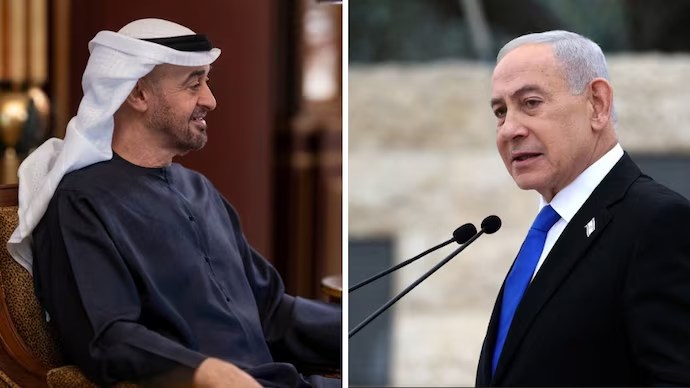
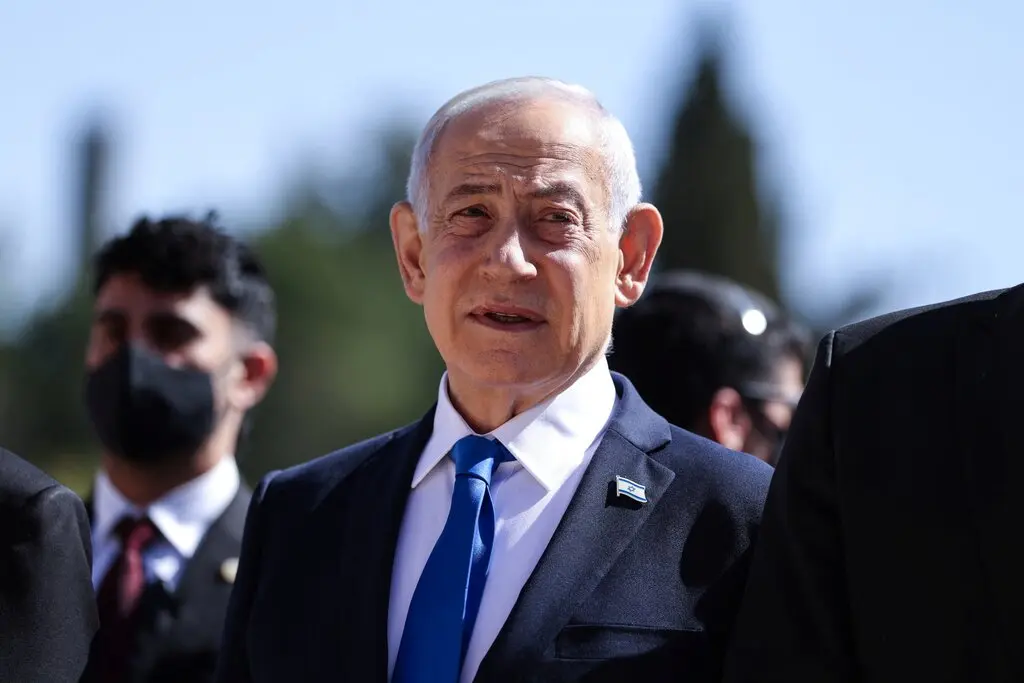
Netanyahu UAE secret visit has triggered fresh reactions across the Middle East after Israeli Prime Minister Benjamin Netanyahu disclosed that he secretly traveled to the United Arab Emirates during the recent US-Israel conflict with Iran.
The announcement, made on Wednesday, has intensified discussions about regional alliances, security cooperation, and the growing relationship between Israel and the UAE under the Abraham Accords framework.
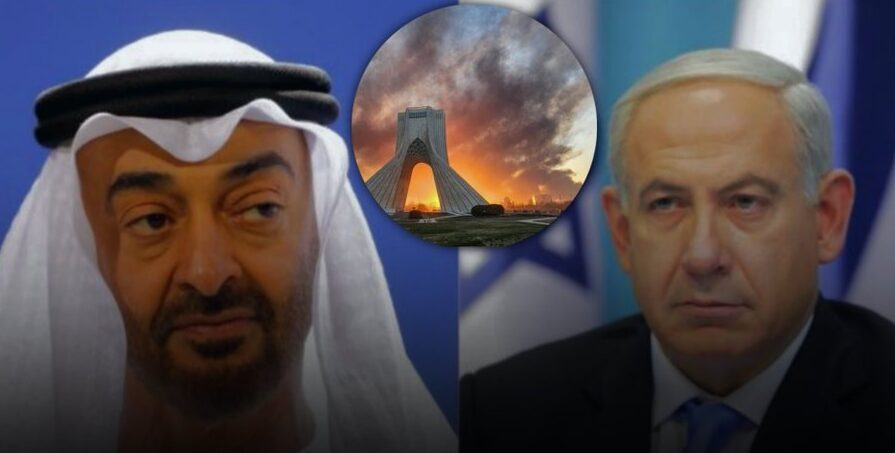
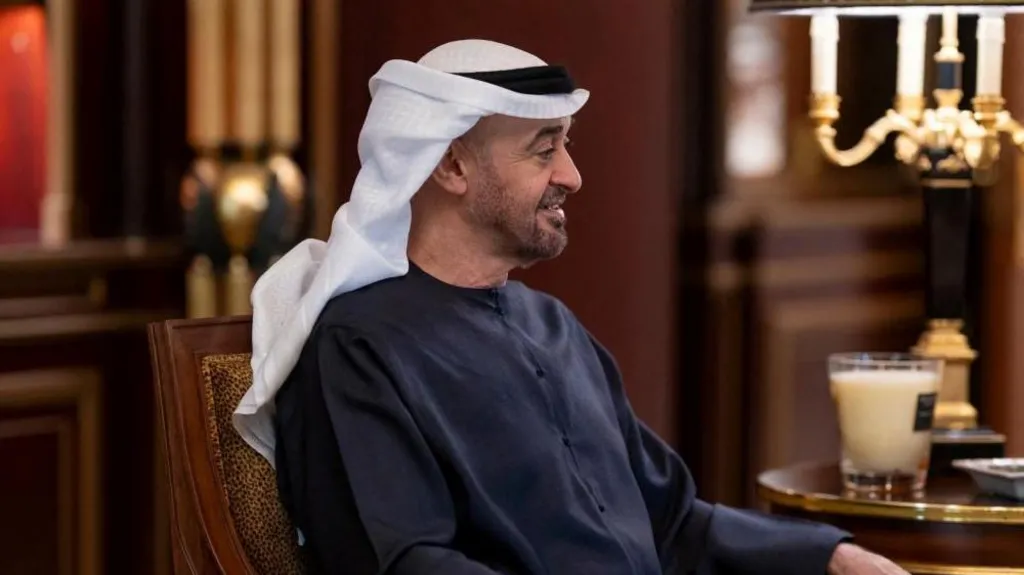
According to statements released by Netanyahu’s office, the undisclosed meeting with UAE President Sheikh Mohamed bin Zayed Al Nahyan reportedly resulted in what Israeli officials described as a “historic breakthrough” in bilateral relations.
The development also sparked a swift response from Iranian officials, who condemned the cooperation and warned regional actors against working closely with Israel.
Netanyahu Confirms Secret Wartime Visit to UAE
The Netanyahu UAE secret visit reportedly took place during the height of tensions linked to the US-Israel military confrontation with Iran.
Israeli authorities revealed that the meeting was held privately in the UAE and focused on strengthening strategic cooperation between both countries.
In a statement shared online, Netanyahu’s office said the meeting represented a major turning point in relations between Israel and the Gulf nation.
The statement noted that the engagement moved beyond diplomatic symbolism and entered a more practical phase involving security coordination and regional stability discussions.
UAE and Israel Continue Expanding Ties
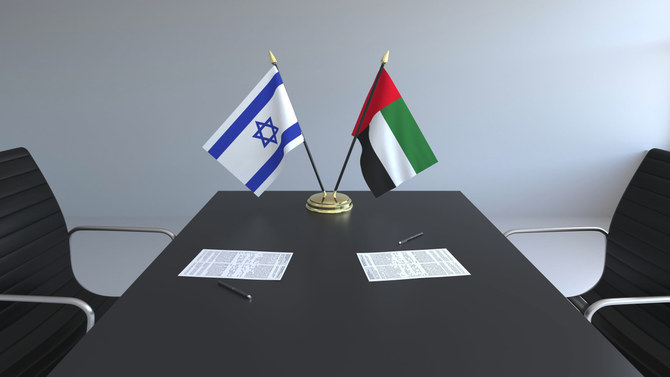
Israel and the UAE formally normalized relations in 2020 through the Abraham Accords brokered during the administration of former US President Donald Trump.
Since then, both countries have expanded cooperation in several sectors, including:
- Trade and investment
- Technology partnerships
- Defense and security
- Energy collaboration
- Tourism and transportation
The latest revelation surrounding the Netanyahu UAE secret visit highlights how both governments have continued to deepen relations despite rising regional tensions.
Analysts believe the partnership has become one of the most strategically important alliances in the Middle East.
Security Cooperation Reportedly Increased During Conflict
Reports following the disclosure indicated that security cooperation between Israel and the UAE intensified during the Iran conflict.
US Ambassador to Israel Mike Huckabee recently confirmed claims that Israel supplied defensive military technology to the UAE.
According to available reports, the systems allegedly included:
- Iron Dome missile defense batteries
- Spectro surveillance systems
- Iron Beam laser defense technology
The deployment reportedly marked the first time Israel transferred an Iron Dome battery for operational use outside Israel and the United States.
The systems were allegedly used to help defend Emirati territory during missile and drone attacks linked to the regional conflict.
Iran Reacts Strongly to Netanyahu UAE Secret Visit
Iranian officials responded sharply after details of the Netanyahu UAE secret visit became public.
Iranian Foreign Minister Abbas Araghchi criticized the cooperation and warned countries working closely with Israel against actions that could destabilize the region.
In a statement shared online, Araghchi claimed Iran had already been aware of the contacts between Israeli and Emirati officials.
He added that nations supporting Israel against Iran would face consequences under Tehran’s security policies.
UAE Reportedly Targeted During Regional Conflict
During the conflict period, reports indicated that the UAE faced hundreds of missile and drone attacks.
According to Emirati defense data cited in regional reports:
- Around 550 ballistic missiles were allegedly launched toward the UAE
- More than 2,200 drone attacks were recorded
- Several strategic facilities were placed on high alert
Iran reportedly justified some of the attacks by accusing the UAE of cooperating closely with Israel.
The growing tensions have raised concerns among regional observers about the possibility of broader instability across the Gulf region.
Iranian Officials Issue Further Warnings
Iranian lawmakers later classified the UAE among territories hosting what they described as “hostile bases.”
Under Iran’s military doctrine, such designations may permit preemptive defensive actions against perceived threats.
The comments added another layer of tension to already strained relations between Tehran and governments aligned with Israel and Western allies.
Regional Implications of Israel-UAE Cooperation
The Netanyahu UAE secret visit has renewed debates about the future of Middle East diplomacy and regional alliances.
Political analysts say the growing cooperation between Israel and Gulf nations reflects a broader shift in regional priorities.
Abraham Accords Continue to Shape Middle East Politics
The Abraham Accords significantly changed diplomatic relations in the region by normalizing ties between Israel and several Arab nations.
Countries involved in the agreements have increasingly pursued partnerships focused on:
- Economic growth
- Defense modernization
- Technology innovation
- Intelligence sharing
- Regional security coordination
The UAE has remained one of Israel’s closest partners under the agreement.
Experts believe both nations now view their partnership as strategically important amid rising geopolitical uncertainty.
Concerns Over Escalation Remain
Despite the diplomatic progress, many regional observers fear that increasing military cooperation could lead to more instability.
Critics argue that stronger defense ties may further provoke Iran and contribute to heightened tensions across the Middle East.
Others believe the partnerships are necessary to counter security threats and maintain regional balance.
The situation continues to attract global attention as governments monitor developments involving Israel, Iran, and Gulf nations.
UAE Announces Terror Designations
On the same day the Netanyahu UAE secret visit was disclosed, the UAE reportedly designated 21 Lebanese individuals and organizations as terrorists over alleged ties to Hezbollah.
Authorities also announced the freezing of assets linked to those groups.
The move came as Israel continued military operations involving Hezbollah-related tensions in Lebanon.
Observers noted that the timing of the announcement further demonstrated the growing alignment between the UAE and Israel on regional security matters.
International Attention Focuses on Middle East Alliances
Global reactions to the Netanyahu UAE secret visit remain mixed.
Some Western officials have welcomed closer cooperation between Israel and Gulf nations, arguing that stronger partnerships may improve regional stability and economic growth.
Others have expressed concern that escalating rivalries involving Iran could increase security risks across the Middle East.
Diplomatic experts say the coming months may determine whether the latest developments lead to stronger regional cooperation or deeper geopolitical divisions.
FAQ
Why did Netanyahu secretly visit the UAE?
The visit was reportedly aimed at strengthening diplomatic and security cooperation between Israel and the UAE during heightened regional tensions involving Iran.
What is the significance of the Netanyahu UAE secret visit?
The meeting signals deeper strategic cooperation between Israel and the UAE, particularly in defense, regional security, and economic partnerships.
How did Iran respond to the UAE and Israel cooperation?
Iran strongly criticized the relationship and warned countries collaborating with Israel that they could face consequences under Iranian security policies.
What military systems did Israel reportedly provide to the UAE?
Reports claimed Israel transferred Iron Dome batteries, surveillance systems, and Iron Beam laser defense technology to help support Emirati defense operations.
The Netanyahu UAE secret visit has become another major development shaping political and security discussions across the Middle East. As diplomatic ties between Israel and Gulf nations continue to evolve, regional tensions involving Iran are also likely to remain a key focus for international observers and policymakers.
PLEASE CLICK HERE FOR MORE NEWS