 0
0
 0
0
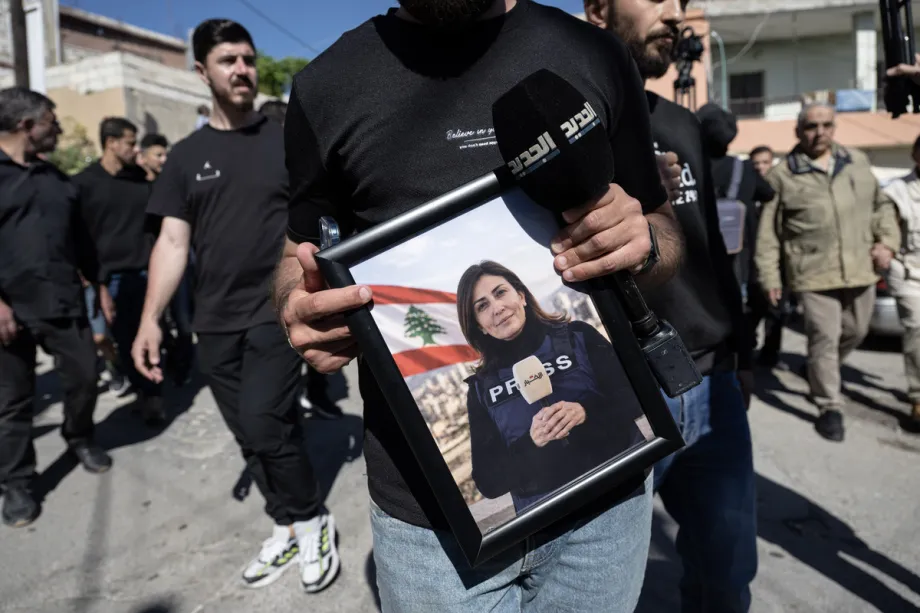
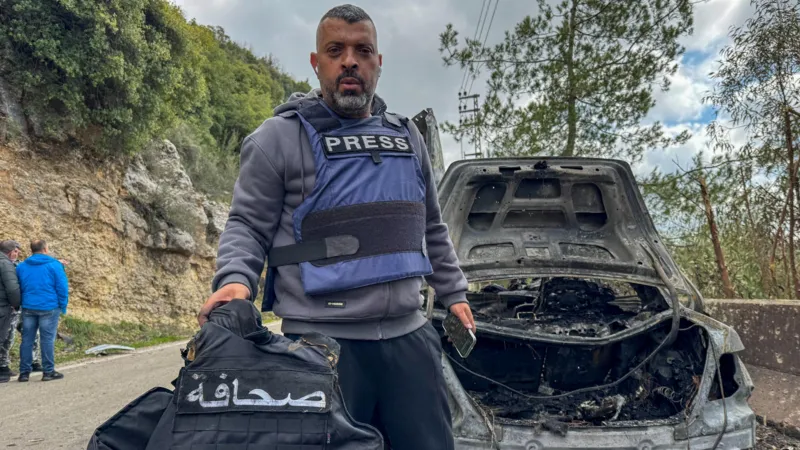
he Lebanon journalist ceasefire killings have drawn renewed global attention to the risks faced by media workers in conflict zones. The reported death of Lebanese journalist Amal Khalil during unrest in southern Lebanon has intensified concerns over journalist safety during periods of military tension and ceasefire arrangements.
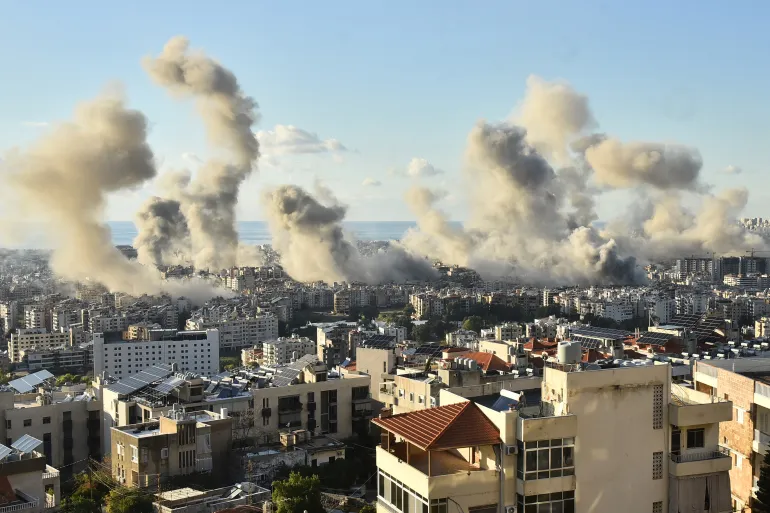
According to multiple reports, the incident occurred during a US-mediated ceasefire period when military strikes hit areas in southern Lebanon. The case has since raised questions about the protection of civilians, especially journalists, in active conflict environments.
Background to the Southern Lebanon Incident
The Lebanon journalist ceasefire killings narrative centers on events reported in the village of al-Tayri in southern Lebanon. During a period described as a temporary ceasefire, strikes reportedly affected civilian areas.
Amid the unfolding situation, journalist Amal Khalil and colleagues were said to be covering the aftermath of earlier explosions when additional strikes occurred in the vicinity.
Reported Sequence of Events
Eyewitness accounts and media reports describe a sequence involving multiple impacts:
- An initial strike reportedly hit a civilian vehicle
- Journalists moved to document the aftermath
- A second strike reportedly occurred near the location
- Rescue efforts were delayed due to ongoing security risks
This pattern has been described in some reports as a “double strike” scenario, though full independent verification remains ongoing.
Civilian and Media Presence
Journalists in conflict zones often operate in high-risk environments, especially when reporting from active strike areas. In this case:
- Reporters were reportedly covering civilian impact zones
- Emergency responders faced delayed access
- Communication and rescue coordination were disrupted
These conditions highlight the risks associated with field reporting during unstable ceasefire periods.
Journalism and International Humanitarian Law
The Lebanon journalist ceasefire killings have revived discussion around international protections for journalists in war zones.
Legal Status of Journalists
Under international humanitarian law, journalists are generally classified as civilians. This means they are protected from direct targeting during armed conflict.
Key legal frameworks include:
- Geneva Conventions
- Additional Protocols on civilian protection
- International customary law on war reporting
Protection Obligations in Conflict Zones
Armed actors are expected to:
- Distinguish between civilians and combatants
- Avoid targeting non-combat personnel
- Minimize harm to civilian infrastructure
Journalists are included under civilian protection unless they are directly involved in hostilities.
Broader Pattern of Journalist Safety Risks
The Lebanon journalist ceasefire killings are part of a wider concern about journalist safety in conflict regions across the Middle East.
Rising Casualties Among Media Workers
Reports from international monitoring groups have highlighted increasing risks for journalists in war zones. These include:
- Reported deaths of journalists in Lebanon during recent escalations
- High numbers of media casualties in regional conflicts since 2023
- Increased danger for field reporters in active combat zones
Regional Conflict Environment
Media professionals working in Lebanon and surrounding areas face:
- Frequent airstrikes in civilian-populated zones
- Limited safe access to conflict areas
- High uncertainty during ceasefire periods
Disputes Over Targeting and Accountability
The Lebanon journalist ceasefire killings have also sparked debate about responsibility and accountability in conflict reporting.
Differing Claims from Parties
In similar incidents, conflicting narratives often emerge:
- Military authorities may deny targeting journalists
- Reports may suggest strikes were aimed at other targets
- Independent verification is often difficult in active war zones
Role of Independent Organizations
Groups monitoring press freedom have repeatedly called for:
- Transparent investigations into journalist deaths
- Protection of media personnel in conflict zones
- Clear identification of civilian targets during military operations
Impact on Press Freedom and Information Flow
The Lebanon journalist ceasefire killings also highlight broader concerns about information access during conflict.
Challenges Facing Journalists
War correspondents often face:
- Restricted access to affected areas
- High personal safety risks
- Limited communication infrastructure
Information Gaps in Conflict Zones
When journalists are unable to operate freely:
- Verification of events becomes more difficult
- Civilian experiences may go undocumented
- Public understanding of conflicts becomes limited
International Reactions and Concerns
The reported incident has drawn attention from media organizations and human rights observers.
Calls for Protection Measures
International responses have emphasized:
- Stronger protection for journalists
- Respect for ceasefire agreements
- Accountability for violations of international law
Ongoing Debate on Enforcement
Despite existing legal frameworks, enforcement remains challenging due to:
- Ongoing military operations
- Political tensions between involved parties
- Limited access for independent investigators
The Role of Journalists in Conflict Reporting
The Lebanon journalist ceasefire killings underscore the importance of journalism in conflict zones.
Functions of War Correspondents
Journalists play a critical role in:
- Documenting civilian impact
- Providing verified information
- Supporting humanitarian awareness
Risks Associated With Reporting
Field reporting in war zones involves:
- Exposure to physical danger
- Unpredictable security conditions
- Psychological stress from conflict exposure
FAQ
What are the Lebanon journalist ceasefire killings?
They refer to reported incidents involving journalist casualties during ceasefire periods in Lebanon’s ongoing conflict environment.
Why are journalists at risk in conflict zones?
Journalists face risks due to active military operations, unpredictable strikes, and limited safe access to reporting areas.
Are journalists protected under international law?
Yes, journalists are considered civilians under international humanitarian law and are generally protected from targeting.
What happens after journalist deaths in conflict areas?
Investigations are often conducted by international and local bodies, though access and verification can be challenging.
Conclusion
The Lebanon journalist ceasefire killings highlight ongoing concerns about press safety in conflict zones. As tensions continue in the region, questions remain about how effectively international laws protect journalists on the ground. The incident underscores the importance of safeguarding media workers, ensuring accountability, and maintaining access to accurate information during times of conflict.
Click here for more news