 0
0
 0
0
The Fatah central committee election has drawn major attention across Palestinian political circles after the movement selected a new leadership body for the first time in a decade. The long-awaited vote marks a significant moment for Fatah as the party faces internal reforms, regional pressure, and growing political challenges.
Fatah remains one of the most influential political organizations in Palestinian politics, and its central committee plays a critical role in shaping policy, leadership decisions, and future strategies. The latest election comes at a time when many observers believe the movement is attempting to strengthen unity and reorganize its internal structure.
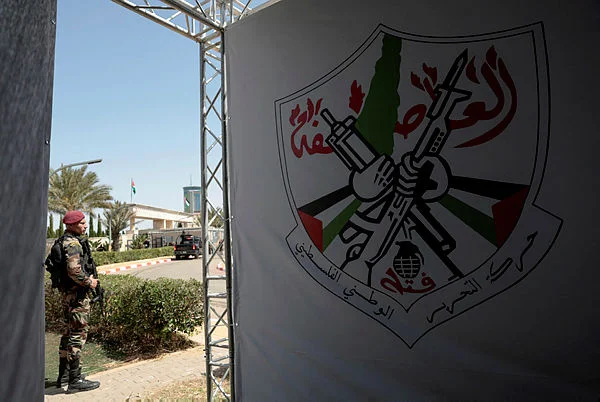
Fatah Holds First Leadership Election in a Decade
The election of a new central committee is the first such process conducted by Fatah in 10 years. The committee is considered the party’s highest executive authority and is responsible for managing political direction and organizational affairs.
Party delegates gathered to participate in the voting process after years of delayed leadership restructuring. Analysts say the delay reflected ongoing political disagreements, regional tensions, and concerns about maintaining internal cohesion.
The Fatah central committee election is seen as an attempt to refresh leadership positions while addressing growing demands for reform inside the movement.
Why the Election Matters
The central committee has major influence over:
- Political negotiations
- Internal party decisions
- Election planning
- Relations with regional and international actors
- Organizational reforms
Because of this influence, the selection of committee members is viewed as one of the most important events within the movement.
Long Delay Before the Vote
The previous committee remained in place for nearly a decade. During that period, Fatah faced several political and organizational challenges, including divisions within Palestinian politics and changing regional dynamics.
Observers note that delays in internal elections often create pressure from party members who seek broader representation and leadership renewal.
Delegates Participate in Voting Process
Delegates from different Palestinian regions reportedly took part in the vote. The process included internal discussions, nominations, and final ballot selections.
While official details regarding every elected member may vary, the event itself represented a major organizational step for the party.
Internal Reforms and Leadership Transition
The Fatah central committee election also reflects broader discussions about leadership transition within the movement. Over the years, younger members and reform-minded figures have pushed for changes aimed at modernizing party structures.
Political analysts say the latest vote could influence the movement’s future direction for years to come.
Calls for Greater Representation
Some members have advocated for broader inclusion of younger political voices and regional representatives within party leadership.
Key demands reportedly included:
- More transparent internal processes
- Increased youth participation
- Stronger institutional governance
- Better coordination between political factions
Supporters of reform argue that updated leadership structures may help improve organizational efficiency.
Balancing Experience and Renewal
One of the major challenges for Fatah has been balancing experienced leadership with demands for generational change.
Senior political figures continue to hold influence within the movement due to their long involvement in Palestinian politics. However, many younger members believe leadership renewal is necessary to maintain public support.
The new committee is expected to include a mix of veteran politicians and newer political figures.
Political Unity Remains a Key Issue
Internal unity continues to be one of the movement’s biggest priorities. Political divisions over strategy, governance, and elections have affected Palestinian politics for years.
The committee’s new leadership may now face pressure to improve coordination within the party while addressing broader national political issues.
Background on Fatah and Its Political Role
Fatah was founded in the late 1950s and later became a leading force in Palestinian national politics. The movement has played a major role in diplomatic negotiations, governance, and regional political discussions for decades.
Today, Fatah remains a dominant faction within the Palestinian Authority and continues to influence many political decisions.
Structure of the Central Committee
The central committee functions as the movement’s executive leadership body. Its responsibilities include:
- Setting political priorities
- Managing party operations
- Supervising organizational activities
- Coordinating national political positions
- Guiding election strategies
Committee members are often selected through internal voting processes involving party delegates.
Relationship With Other Political Factions
Fatah’s relationship with other Palestinian groups has shaped the political environment in the region for many years.
Political disagreements between major factions have sometimes delayed broader national elections and reconciliation efforts. As a result, leadership changes within Fatah are closely watched both domestically and internationally.
Regional Attention on the Election
Regional observers and international analysts continue to monitor developments surrounding the Fatah central committee election.
Because the movement remains influential in diplomatic and political discussions, changes within its leadership structure could affect future negotiations and regional relations.
Challenges Facing the New Central Committee
The newly elected committee is expected to confront several difficult political and organizational challenges in the coming years.
These include both internal party issues and wider regional concerns.
Pressure for Organizational Reform
Many party supporters want stronger accountability and more active political engagement from leadership figures.
Reform discussions are expected to focus on:
- Internal governance
- Public outreach
- Youth involvement
- Election readiness
- Administrative restructuring
Political experts believe these issues will remain central to the committee’s agenda.
Economic and Political Conditions
The broader Palestinian political landscape remains complex, with ongoing economic difficulties and political uncertainty affecting governance and public trust.
Leaders within Fatah may face growing pressure to respond to social and economic concerns while maintaining political stability.
Future National Elections
Questions about future Palestinian elections continue to attract attention.
Some analysts believe the new committee could play a major role in preparing the movement for future electoral processes if broader political agreements are reached.
The outcome of the Fatah central committee election may therefore influence future campaign strategies and political alliances.
Reactions to the Election Process
Political observers have offered mixed interpretations of the leadership changes.
Some analysts see the election as a positive sign of institutional renewal after years without major restructuring. Others believe deeper reforms may still be required to address long-standing internal disagreements.
Supporters Welcome Leadership Update
Supporters of the process argue that holding internal elections demonstrates organizational continuity and political stability within the movement.
They also believe leadership renewal could strengthen the party’s ability to address changing political conditions.
Critics Seek Broader Changes
Critics, however, say leadership elections alone may not fully resolve wider political concerns.
Some analysts argue that broader reforms, transparency measures, and national political reconciliation efforts will still be necessary moving forward.
International Interest Continues
The election has also attracted attention from international observers due to Fatah’s long-standing political influence.
Developments within the movement are often closely monitored because of their possible impact on regional diplomacy and Palestinian governance.
What the Election Could Mean Going Forward
The Fatah central committee election may mark the beginning of a new phase for the movement after years without major leadership restructuring.
While many political questions remain unresolved, the election demonstrates an effort to reorganize internal leadership and address demands for institutional renewal.
Observers say the effectiveness of the new committee will likely depend on its ability to maintain unity, manage reforms, and respond to political and economic pressures.
The coming months are expected to reveal how the new leadership intends to shape the movement’s future direction.
FAQ
Why is the Fatah central committee election important?
The election is important because the central committee serves as Fatah’s highest executive leadership body and helps shape political decisions, reforms, and future strategies.
When was the last Fatah central committee election held?
The previous election was held about 10 years ago, making this the first major leadership restructuring within the movement in a decade.
What does the Fatah central committee do?
The committee oversees party operations, political planning, organizational management, and national policy coordination within the movement.
Could the new committee affect future Palestinian elections?
Political analysts believe the newly elected committee may influence future election strategies, political alliances, and internal reform discussions.
The election of a new central committee represents a significant organizational moment for Fatah after years without leadership restructuring. While the movement continues to face political and internal challenges, the latest vote signals an effort to address reform demands and prepare for future developments within Palestinian politics.
Click here for more news