 0
0
 0
0
Barbados fishing sector climate stress is becoming a major concern as hurricanes, rising sea temperatures, and large sargassum influxes continue to affect livelihoods, marine ecosystems, and fish populations across the Caribbean island nation.
The fishing industry in Barbados has long supported thousands of people through commercial, artisanal, and subsistence fishing. However, recent climate-related events are creating new challenges that threaten both economic stability and marine sustainability.
From damaged fishing infrastructure to changing dolphinfish populations, fisherfolk and policymakers are now searching for long-term solutions that can protect the future of the sector.
Hurricanes Continue to Damage Fisheries Infrastructure
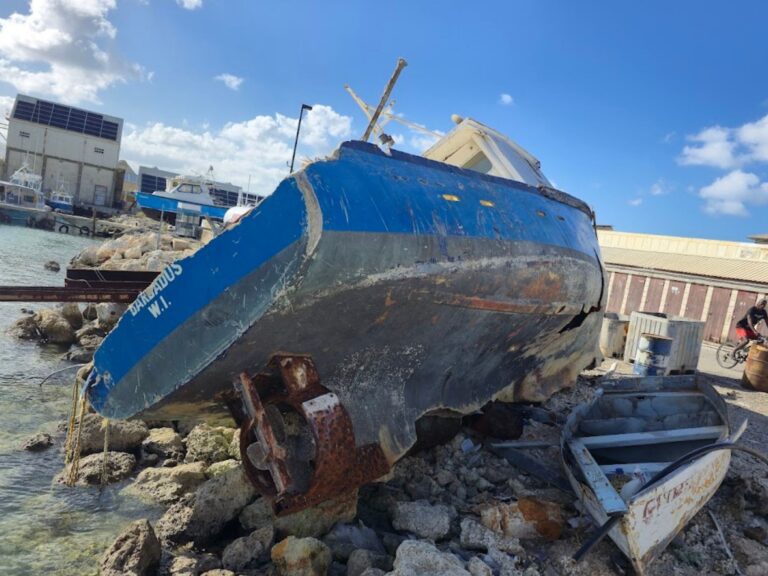
Extreme weather remains one of the biggest threats facing Barbados fisheries. Hurricane Beryl in 2024 and Hurricane Melissa in 2025 caused major destruction across several Caribbean islands, including Barbados.
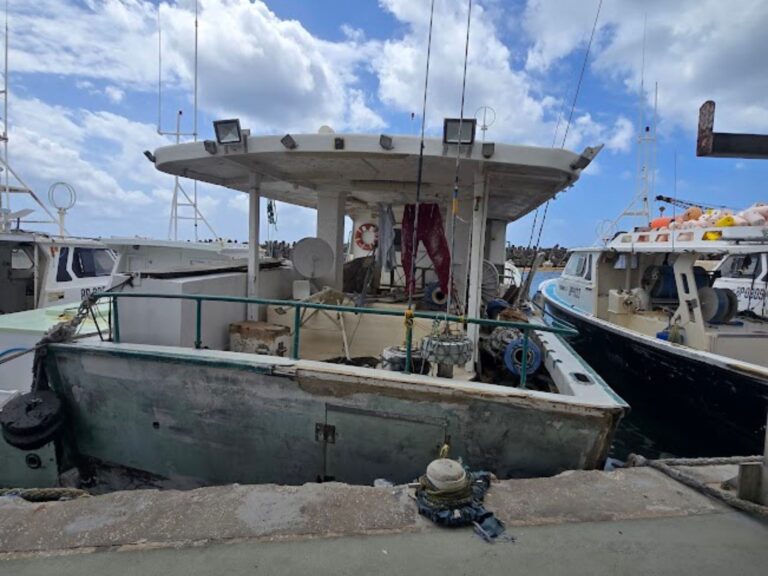
The Bridgetown Fisheries Complex was among the hardest-hit locations. More than 200 fishing vessels suffered damage, while several boats were completely lost during storm surges and rough seas.
Damage to Boats and Landing Sites
The impact on fisheries infrastructure affected both small-scale and larger commercial operators. Broken jetties, damaged docks, and flooded coastal facilities interrupted fishing operations for months.
Some vessels are still awaiting repairs due to delayed access to replacement parts and rising maintenance costs. These delays continue to reduce fishing activity and income for many families that depend on the sea for survival.
Economic Effects on Fishing Communities
The storms directly affected thousands of people connected to the fisheries sector, including fish vendors, processors, transport workers, and market operators.
Reduced fishing activity also disrupted seafood supply chains across the island. In some coastal communities, fishers experienced declining earnings while operational expenses continued to rise.
Government Recovery Programs
Barbados introduced several recovery initiatives to support fisherfolk after the storms. These measures included:
- Boat repair assistance
- Financial aid programs
- Coastal rehabilitation projects
- Support for damaged fisheries facilities
- Disaster response planning
International agencies also partnered with Barbados to fund climate resilience and infrastructure improvements aimed at reducing future risks.
Sargassum Influxes Create New Challenges
Large sargassum seaweed blooms have become another major issue linked to Barbados fishing sector climate stress.
Sargassum naturally exists in the Atlantic Ocean and provides shelter and feeding grounds for marine species. However, excessive growth has created severe environmental and operational problems in recent years.
Effects on Fishing Operations
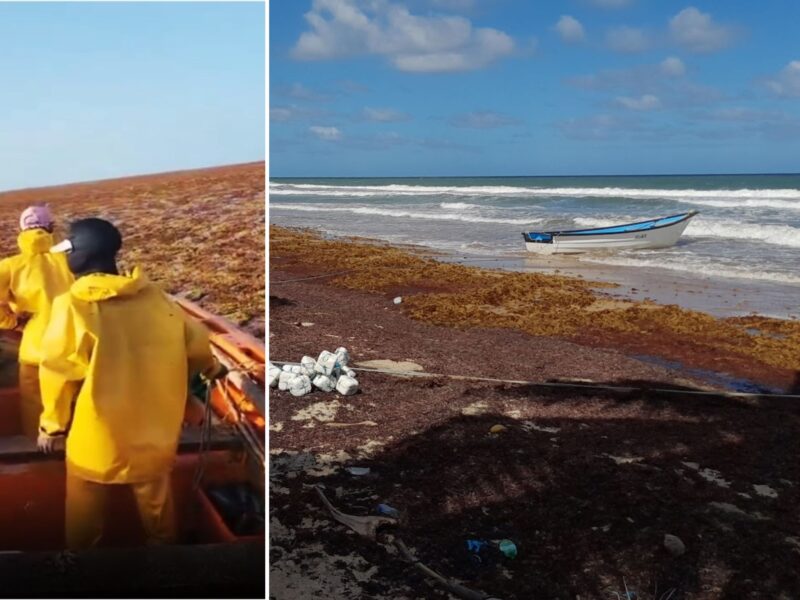
When thick mats of sargassum drift toward shorelines and harbours, they can trap vessels, clog engines, and damage fishing equipment.
Fishers often struggle to navigate through dense seaweed patches, leading to longer fishing trips and increased fuel costs.
In coastal communities, decaying sargassum also produces unpleasant odours and affects tourism-related businesses.
Environmental Impact on Marine Habitats
Scientists warn that excessive sargassum reduces sunlight penetration in coral reefs and seagrass beds.
These habitats are essential for fish breeding, feeding, and shelter. Their decline can directly affect fish stocks and marine biodiversity throughout Barbados waters.
Changing ocean temperatures and nutrient pollution are believed to contribute to the growing scale of sargassum events across the Caribbean.
Sargassum as Both Opportunity and Risk
Despite its negative effects, sargassum can also attract marine species such as juvenile dolphinfish and flying fish larvae.
Fishers sometimes target these floating mats because they create concentrated fishing zones. However, experts warn that excessive harvesting of juvenile fish around sargassum areas may threaten future fish populations.
Concerns Over Juvenile Dolphinfish Harvesting
One of the most discussed issues linked to Barbados fishing sector climate stress is the increasing capture of undersized dolphinfish.
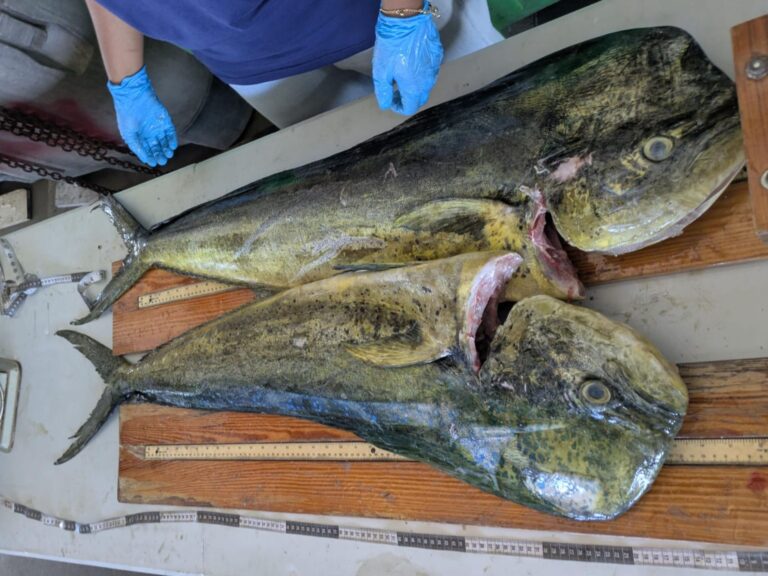
Dolphinfish remain an important species for Barbados fisheries and local seafood markets. However, recent research suggests that many fish being landed are below the recommended juvenile benchmark.
Research Shows Rising Numbers of Smaller Fish
Data collected from landing sites across Barbados revealed that nearly half of sampled dolphinfish weighed below five pounds.
Researchers believe this trend may indicate increased fishing pressure on younger fish populations.
Although climate change has not been directly identified as the sole cause, changing ocean conditions and economic pressures are believed to influence fishing practices.
Risks to Long-Term Fish Stocks
Harvesting juvenile dolphinfish before they mature could reduce future breeding populations and weaken stock sustainability.
Marine experts warn that continued overharvesting may eventually reduce catch sizes and economic returns for fishing communities.
Protecting younger fish is considered critical for maintaining long-term food security and stable fisheries income.
Pressure on Fisherfolk
Many fishers face difficult decisions as climate impacts continue to disrupt their livelihoods.
Lower catches of some species, rising operational costs, and storm-related losses have increased pressure to maximize daily landings whenever opportunities arise.
This economic uncertainty makes sustainable fishing practices harder to maintain without broader financial and policy support.
Barbados Introduces New Fisheries Legislation
Barbados recently passed updated fisheries laws aimed at strengthening sustainability, seafood safety, and environmental protection.
The new legislation supports better management of marine resources while improving monitoring and regulation within the fishing industry.
Sustainable Fisheries Management Measures
The updated laws promote:
- Licensed seafood sales
- Improved post-harvest handling standards
- Protection of marine mammals
- Restrictions on harmful fishing practices
- Designated no-trawl zones in shallow waters
These measures align with Barbados Fisheries Policy goals for 2023 to 2033.
Improving Scientific Data Collection
Weak regional fisheries data has made it difficult to accurately assess fish populations across the Caribbean.
To address this problem, university students and fisheries researchers in Barbados are collecting biological data on dolphinfish populations through scientific monitoring projects.
The information gathered includes fish size, weight, growth patterns, and population trends.
Importance of Local Research
Researchers say localized fisheries data is necessary for creating effective management policies tailored to Barbados waters.
Better scientific information can help authorities determine sustainable catch levels and identify emerging environmental threats earlier.
Climate Resilience and Disaster Preparedness
Climate adaptation is becoming increasingly important for the future of Caribbean fisheries.
Barbados authorities are developing new systems designed to improve disaster preparedness and reduce economic losses during severe weather events.
Early Warning and Emergency Systems
The Fisheries Division has introduced vessel relocation procedures and disaster response exercises aimed at improving safety during storms.
Simulation drills have also been conducted to help fisherfolk prepare for emergency situations.
Fisheries Insurance Development
Insurance programs are now being explored to support faster recovery after climate disasters.
A proposed vessel insurance scheme could help fishers repair damaged boats more quickly and reduce financial hardship after storms.
Similar insurance systems have already shown positive results in parts of the Caribbean region.
Climate-Proof Infrastructure
Experts recommend stronger coastal infrastructure capable of withstanding hurricanes and rising sea levels.
Upgraded landing sites, reinforced docks, and improved harbour protection systems may reduce future damage and lower recovery costs.
Public Awareness and Sustainable Fishing Practices
Education and community involvement are becoming central parts of fisheries sustainability efforts in Barbados.
Authorities and researchers believe public understanding can help reduce harmful fishing practices and improve marine conservation.
Community Education Programs
Awareness campaigns are encouraging fishers and consumers to understand the long-term effects of harvesting juvenile dolphinfish.
Programs focused on education rather than punishment aim to build stronger cooperation between regulators and fishing communities.
Citizen Participation in Marine Research
The Barbados Dolphinfish Tagging Project allows members of the public to contribute data used in fisheries science.
This initiative helps researchers track fish migration patterns, growth rates, and population dynamics more effectively.
Long-Term Sustainability Goals
Experts say balancing economic survival with marine conservation will remain one of the biggest challenges facing the fisheries sector.
Improved legislation, stronger scientific research, public education, and climate adaptation strategies are all expected to play important roles in the years ahead.
FAQ
How is climate change affecting fisheries in Barbados?
Climate change is contributing to stronger hurricanes, rising sea temperatures, and large sargassum influxes that damage fishing infrastructure, affect fish habitats, and disrupt fishing activities.
Why are juvenile dolphinfish becoming a concern in Barbados?
Researchers found increasing numbers of undersized dolphinfish being harvested. Continued overfishing of juvenile fish may reduce future fish stocks and threaten fisheries sustainability.
What is Barbados doing to support fisherfolk after hurricanes?
The government has introduced recovery funding, boat repair programs, infrastructure rehabilitation projects, disaster preparedness systems, and climate resilience initiatives.
How does sargassum affect the Barbados fishing sector?
Large sargassum mats can trap boats, damage engines, disrupt fishing operations, and affect marine ecosystems by reducing sunlight in coral reefs and seagrass habitats.
Barbados fishing sector climate stress continues to reshape the island’s marine economy and coastal communities. Hurricanes, environmental changes, and shifting fish populations are creating difficult conditions for fisherfolk while increasing pressure on marine ecosystems. Through stronger legislation, improved research, climate adaptation projects, and public education, Barbados is working toward a more sustainable and resilient future for its fisheries sector.
Click here for more news