 0
0
 0
0
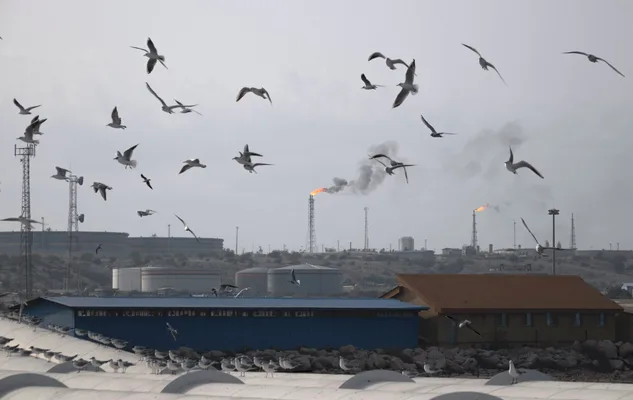
The Hormuz Strait blockade Iran oil situation has become a major point of global economic concern as geopolitical tensions in the Middle East continue to influence energy markets. The Strait of Hormuz remains one of the world’s most critical maritime chokepoints, and any disruption in its operations has immediate consequences for global oil supply chains.
Recent developments indicate rising tensions linked to Iran’s strategic positioning in the region, particularly as diplomatic negotiations remain stalled and uncertainty continues to shape international responses.
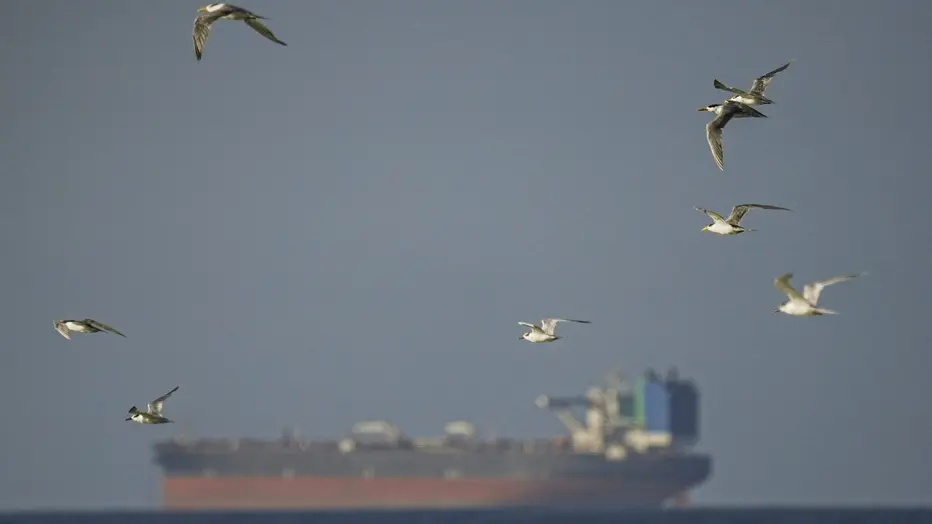
Overview of the Hormuz Strait Blockade Situation
The Hormuz Strait blockade Iran oil issue centers on the strategic maritime passage between the Persian Gulf and the Gulf of Oman. This narrow waterway is one of the most important global routes for crude oil transportation.
Reports suggest that rising political and military tensions have affected shipping stability in the region, increasing concerns among global energy stakeholders.
Strategic Importance of the Strait of Hormuz
The Strait of Hormuz is widely recognized as a critical energy corridor.
Key Facts About the Waterway
- Connects the Persian Gulf to global shipping routes
- Handles a significant portion of global oil exports
- Serves multiple Gulf oil-producing nations
Economic Significance
The passage plays a major role in:
- Global oil pricing stability
- Energy supply security
- International trade flows
Any disruption in this route can quickly affect global markets.
Iran’s Position and Strategic Leverage
The Hormuz Strait blockade Iran oil discussion is closely linked to Iran’s geopolitical influence in the region.
Iran’s geographic location gives it strategic proximity to the Strait of Hormuz, allowing it to influence maritime activity in the area.
Geopolitical Leverage in the Region
Iran’s position enables it to:
- Monitor maritime traffic passing through the strait
- Influence shipping security dynamics
- Shape regional diplomatic negotiations
Energy and Trade Influence
Oil transportation through the Strait is central to:
- Global energy supply chains
- Export routes for Gulf countries
- International crude oil distribution
This makes the region highly sensitive to political tensions.
Current Diplomatic and Political Context
The Hormuz Strait blockade Iran oil situation is unfolding amid stalled diplomatic discussions between major international actors.
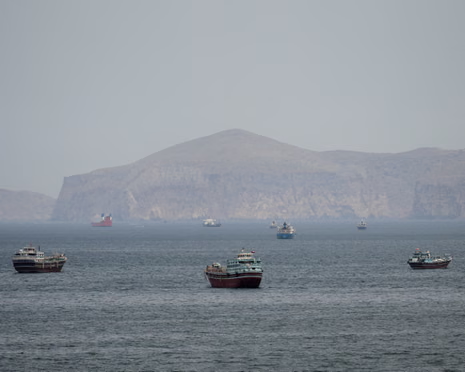
Ongoing Negotiation Challenges
Diplomatic efforts have faced delays due to:
- Lack of agreement on sanctions relief
- Disputes over nuclear-related commitments
- Limited progress in peace negotiations
Absence of Clear Resolution
Key characteristics of the current situation include:
- No finalized international agreement
- No confirmed timeline for renewed talks
- Continued political uncertainty
Impact on Global Oil Markets
The Hormuz Strait blockade Iran oil issue has significant implications for global energy markets.
Oil Supply Concerns
Any disruption in the Strait can lead to:
- Reduced oil shipment flows
- Increased shipping insurance costs
- Higher volatility in global oil prices
Market Sensitivity
Oil markets are highly responsive to developments in the region:
- Traders closely monitor geopolitical updates
- Energy prices fluctuate based on perceived risk
- Shipping routes may be adjusted for safety
Shipping and Maritime Risks in the Region
The Strait of Hormuz is one of the busiest and most sensitive maritime corridors in the world.
Key Maritime Challenges
Shipping companies face several risks, including:
- Navigational security concerns
- Potential interception or inspection of vessels
- Increased military presence in the region
Operational Disruptions
Possible consequences for shipping include:
- Delays in cargo movement
- Rerouting of oil tankers
- Higher operational costs for carriers
Iran’s Oil Activity and Export Dynamics
The Hormuz Strait blockade Iran oil discussion also involves Iran’s oil export patterns and infrastructure use.
Oil Export Infrastructure
Iran’s oil industry relies on key facilities such as:
- Offshore loading terminals
- Storage hubs
- Export pipelines connected to shipping routes
Production and Loading Activity
Reports suggest that:
- Oil activity remained active before disruptions
- Export patterns reflect strategic management of supply
- Storage levels are used to manage flow adjustments
Global Energy Security Implications
The Strait of Hormuz is essential for maintaining global energy stability.
Dependence on the Strait
A large portion of global crude oil passes through this route, making it essential for:
- Energy-importing countries in Asia and Europe
- Global refining and distribution networks
- International trade balance
Risk of Supply Chain Disruption
Potential risks include:
- Temporary supply shortages
- Increased fuel prices
- Economic pressure on importing nations
International Response and Strategic Concerns
The Hormuz Strait blockade Iran oil situation has prompted attention from global policymakers and energy analysts.
Security and Diplomatic Monitoring
International stakeholders are focused on:
- Maritime security operations
- Diplomatic engagement efforts
- Energy market stabilization strategies
Calls for De-escalation
Common international priorities include:
- Avoiding escalation in maritime zones
- Ensuring freedom of navigation
- Maintaining stable oil supply chains
Broader Geopolitical Implications
The situation extends beyond energy markets into broader geopolitical concerns.
Regional Stability Concerns
The Strait of Hormuz plays a key role in:
- Gulf regional security dynamics
- Military positioning strategies
- International diplomatic relations
Global Economic Sensitivity
Disruptions in the region can influence:
- Inflation rates in importing countries
- Energy policy decisions
- Global trade stability
FAQ
What is the Hormuz Strait blockade Iran oil issue?
It refers to tensions affecting maritime activity in the Strait of Hormuz, a key global oil shipping route influenced by regional geopolitical disputes.
Why is the Strait of Hormuz important?
It is a critical passage for global oil shipments connecting Gulf producers to international markets.
How does the situation affect global oil prices?
Any disruption or perceived risk in the Strait can increase oil price volatility due to supply uncertainty.
What are the main concerns for shipping companies?
Shipping firms face risks such as security threats, delays, increased costs, and potential rerouting of vessels.
Conclusion
The Hormuz Strait blockade Iran oil situation highlights the fragile balance between geopolitics and global energy security. As diplomatic efforts continue without resolution, the strategic importance of the Strait of Hormuz remains central to global oil stability. The ongoing uncertainty underscores how regional tensions can have far-reaching economic and political consequences worldwide.
Click here for more news