 0
0
 0
0
The Kenya transport strike suspension has brought temporary relief to millions of commuters after days of severe disruption across major cities. Transport operators in Kenya have agreed to suspend their nationwide strike following negotiations with government officials over rising fuel prices.
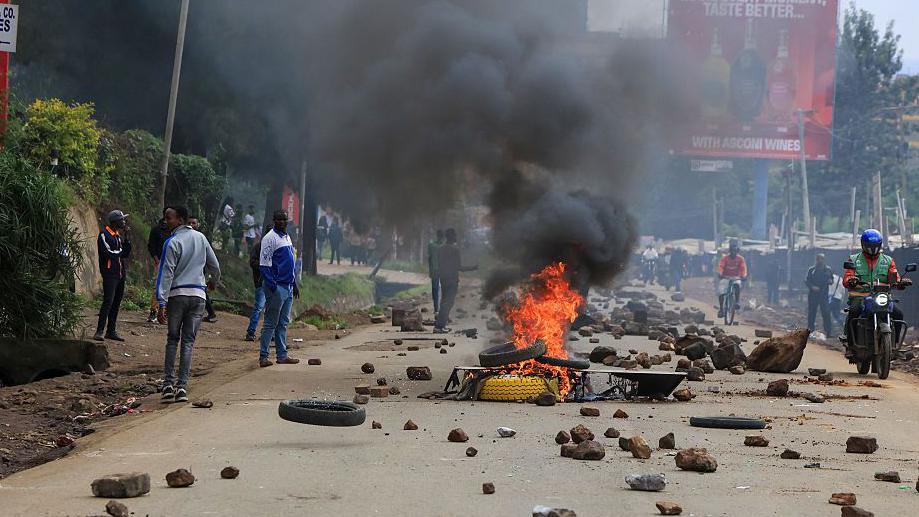
The decision comes after two days of widespread shutdowns that affected movement, business activities, and daily life in Nairobi and other urban centers. Authorities and transport unions confirmed that discussions will continue within a seven-day window to reach a longer-term agreement.

Background to the Kenya Transport Strike Suspension
The Kenya transport strike suspension follows public outrage over increased fuel costs, which triggered a nationwide shutdown of transport services.
The strike initially began as a protest against:
- Rising diesel and petrol prices
- Increased cost of living
- Reduced profitability for transport operators
- Economic pressure on commuters
The industrial action quickly escalated, affecting both public and private transport systems across the country.
How Fuel Prices Triggered Nationwide Disruption
Fuel price increases played a central role in the unrest. Transport operators argued that operating costs had become unsustainable.
Key concerns included:
- Diesel prices reaching record highs
- Reduced income for drivers and transport companies
- Increased fares for passengers
- Economic strain on households
The situation led to widespread immobilization of transport services, especially in major cities.
Previous Attempts to Resolve the Dispute
Before the Kenya transport strike suspension, initial talks between government officials and transport unions had already taken place.
However:
- Early agreements did not meet protester demands
- Fuel price reductions were considered insufficient
- Transport operators rejected partial adjustments
This led to continued strike action that intensified pressure on authorities.
Government and Transport Operators Reach Temporary Agreement
The breakthrough leading to the Kenya transport strike suspension came after renewed negotiations between transport representatives and government officials.
Key Government Intervention Steps
The government engaged transport stakeholders through:
- Direct consultations with union leaders
- Emergency economic discussions
- Fuel pricing policy reviews
- Security coordination during protests
Interior officials confirmed that negotiations would continue at a higher level within the coming week.
Transport Union Position on Suspension
Transport operators agreed to suspend the strike temporarily to allow further talks.
Union representatives stated:
- The suspension is conditional
- Talks must lead to meaningful fuel price review
- Strike action may resume if no progress is made
This reflects ongoing tension despite the temporary agreement.
Impact of the Strike on Daily Life in Kenya
The Kenya transport strike suspension follows days of severe disruption affecting millions of residents.
Effects on Nairobi and Major Cities
During the strike:
- Major highways remained empty
- Businesses shut down operations
- Schools closed in affected areas
- Workers walked long distances
Transport scarcity created widespread mobility challenges in urban regions.
Public Reaction and Struggles
Many citizens were forced to:
- Walk to workplaces
- Pay higher informal transport fares
- Delay business activities
- Adjust travel schedules
The situation highlighted the dependency on public transport systems in urban Kenya.

Security Response and Protest Developments
The strike was accompanied by protests and security operations across affected areas.
Casualties and Arrests Reported
Authorities reported:
- At least four deaths
- Around 30 injuries
- Over 700 arrests nationwide
Security agencies stated that investigations into the incidents were ongoing.
Police and Civil Rights Response
Police urged protesters to remain peaceful and avoid violence or property destruction.
At the same time:
- Human rights groups raised concerns over use of force
- Calls for independent investigations were made
- Monitoring bodies demanded accountability measures
These contrasting positions added to public debate around the protests.
Fuel Price Dispute and Economic Pressures
The Kenya transport strike suspension is closely tied to ongoing fuel pricing challenges.
Government Fuel Price Adjustments
Authorities previously reduced diesel prices slightly after consultations, including:
- A modest reduction in diesel pricing
- Retention of petrol prices at higher levels
However, transport operators argued the reduction was not enough.
Demands from Transport Operators
Transport unions are pushing for:
- Larger fuel price reductions
- Return to previous pricing levels
- Stability in fuel supply chains
They reportedly demanded reductions of up to 46 shillings per litre in some cases.
Role of Global Oil Market Pressures
Fuel pricing in Kenya is influenced by international energy market conditions.
Impact of Global Supply Disruptions
Key factors include:
- Dependency on imported fuel from Gulf regions
- Disruptions in global shipping routes
- Volatility in international crude prices
These factors have contributed to sustained high fuel costs.
Strait of Hormuz Concerns
Analysts note that global oil supply routes, including the Strait of Hormuz, play a critical role in price stability.
Any disruption in this corridor can affect:
- Oil transportation costs
- Global fuel availability
- Regional pricing in importing countries
Current Situation After Strike Suspension
Following the Kenya transport strike suspension, partial normalcy is returning in some areas.
Return of Transport Services
Reports indicate:
- Gradual resumption of transport in some regions
- Reduced congestion in affected cities
- Continued monitoring by authorities
However, full restoration of services remains gradual.
Government Assurance and Next Steps
Officials have stated that:
- Negotiations will continue within seven days
- Further consultations are planned
- Efforts are ongoing to stabilize transport operations
Transport unions remain cautious pending final agreements.
Public and Institutional Reactions
The situation has drawn responses from various organizations and stakeholders.
Human Rights and Governance Concerns
Rights organizations have called for:
- Accountability in handling protests
- Respect for civil liberties
- Independent investigations into violence
These concerns remain part of ongoing discussions.

Economic Impact Observations
Economists note that the strike highlighted:
- Fragility of transport-dependent economies
- Impact of fuel inflation on livelihoods
- Need for long-term energy policy reforms
FAQ
What led to the Kenya transport strike suspension?
The suspension followed negotiations between transport operators and the government over rising fuel prices and economic concerns.
How long will the Kenya transport strike suspension last?
The suspension is temporary and will remain in place for about seven days while further talks continue.
What caused the transport strike in Kenya?
The strike was triggered mainly by sharp increases in fuel prices and rising cost of living pressures.
Is transport fully restored in Kenya after the suspension?
Transport services are gradually resuming in some areas, but full normalization is still in progress.
Conclusion
The Kenya transport strike suspension marks a temporary pause in nationwide disruptions caused by fuel price tensions. While negotiations continue between the government and transport operators, the situation remains fluid. The outcome of ongoing discussions will determine whether normal transport services are fully restored or if further industrial action returns.
Click here foe more news