 0
0
 0
0
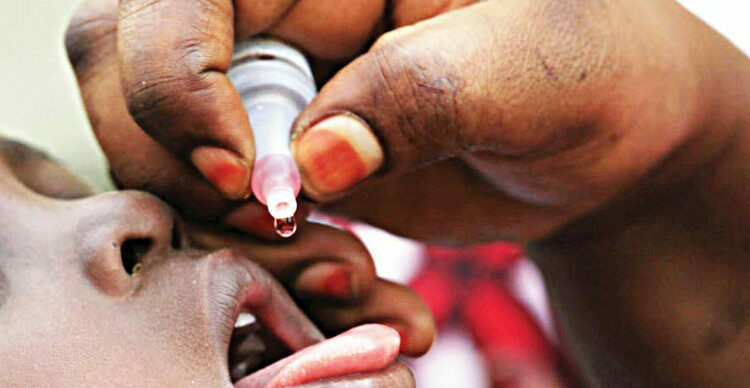
Kano zero-dose children vaccination efforts have been reinforced as the state government prepares for the 2026 Africa Vaccination Week. Authorities say the focus is on identifying and reaching children who have not received any routine immunisation to improve health outcomes and prevent disease outbreaks.
Kano Targets Zero-Dose Children in New Vaccination Drive
Focus on children aged 0–23 months
The Kano State Ministry of Health has prioritised children between 0 and 23 months who have not received any routine vaccines.
These children are classified as “zero-dose children” and are considered highly vulnerable to preventable diseases such as:
- Polio
- Measles
- Diphtheria
- Whooping cough
The Kano zero-dose children vaccination programme aims to close these gaps through targeted outreach and improved service delivery.
Strengthening catch-up immunisation campaigns
To address missed vaccinations, the state is implementing catch-up strategies such as:
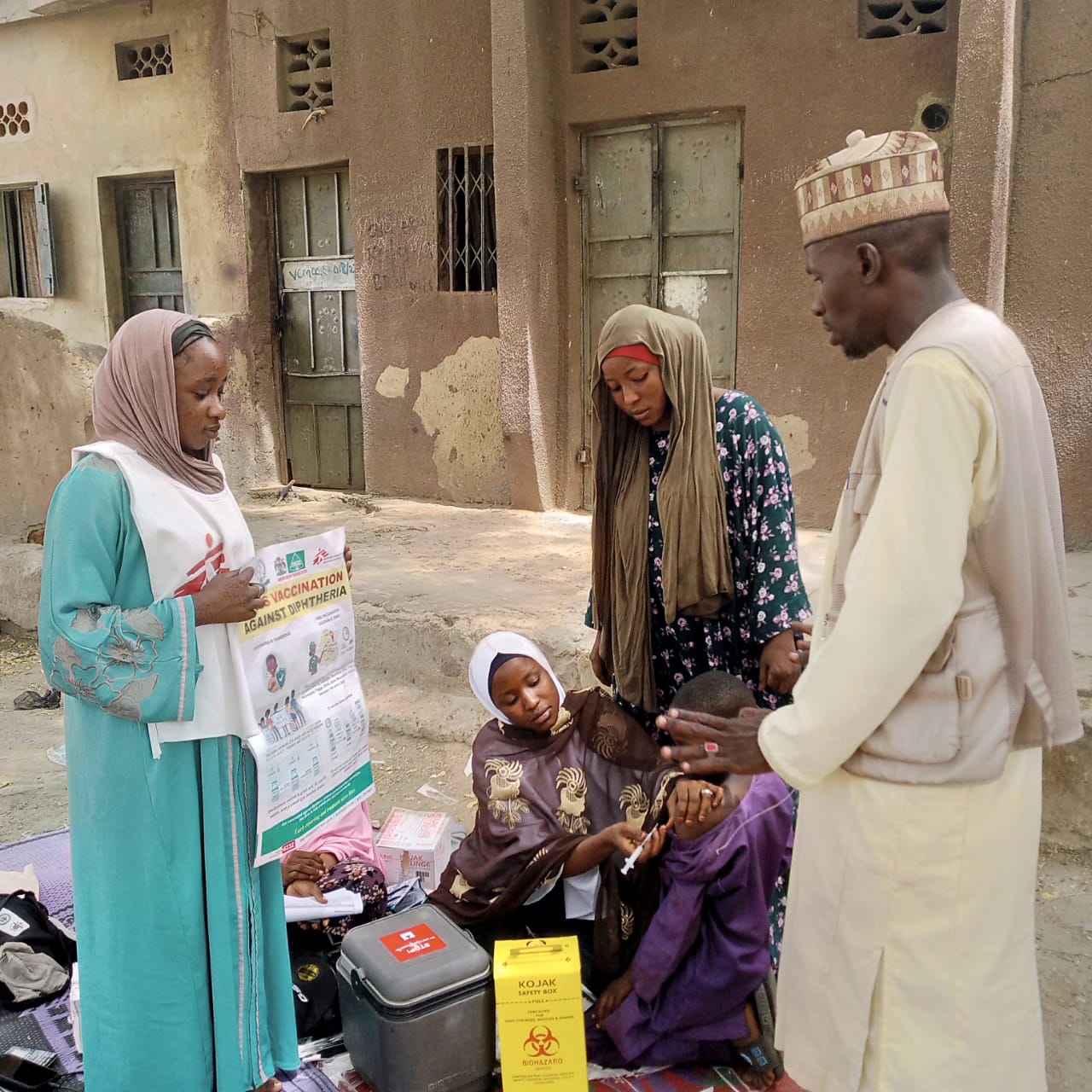
- Door-to-door immunisation services
- Mobile vaccination teams
- Integration with maternal health services
- Community-based tracking systems
Health officials say these interventions are designed to reach underserved populations across the state.
Government Stresses Importance of Vaccines in Public Health
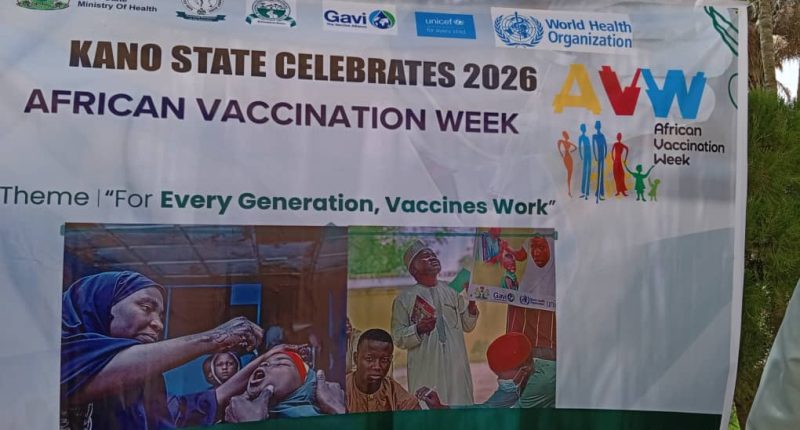
Theme for 2026 Africa Vaccination Week
The state government confirmed that the theme for this year’s campaign is:
“For every generation, vaccines work”
This theme highlights the importance of sustained immunisation across all age groups and reinforces the need for continuous vaccination coverage.
Building public confidence in immunisation
Authorities are also working to strengthen trust in vaccines through:
- Public awareness campaigns
- Community sensitisation programmes
- Engagement with religious leaders
- Traditional ruler involvement
These efforts are essential to improving participation in the Kano zero-dose children vaccination initiative.
Integrated Healthcare Approach Across Kano
Combining immunisation with essential services
Kano State has introduced an integrated healthcare system that combines vaccination with other essential services such as:
- Deworming treatments
- Antenatal care
- Nutrition screening
- Malaria treatment
- HIV counselling and testing
- Family planning services
- Breastfeeding support
This approach ensures that families receive multiple health services in a single visit.
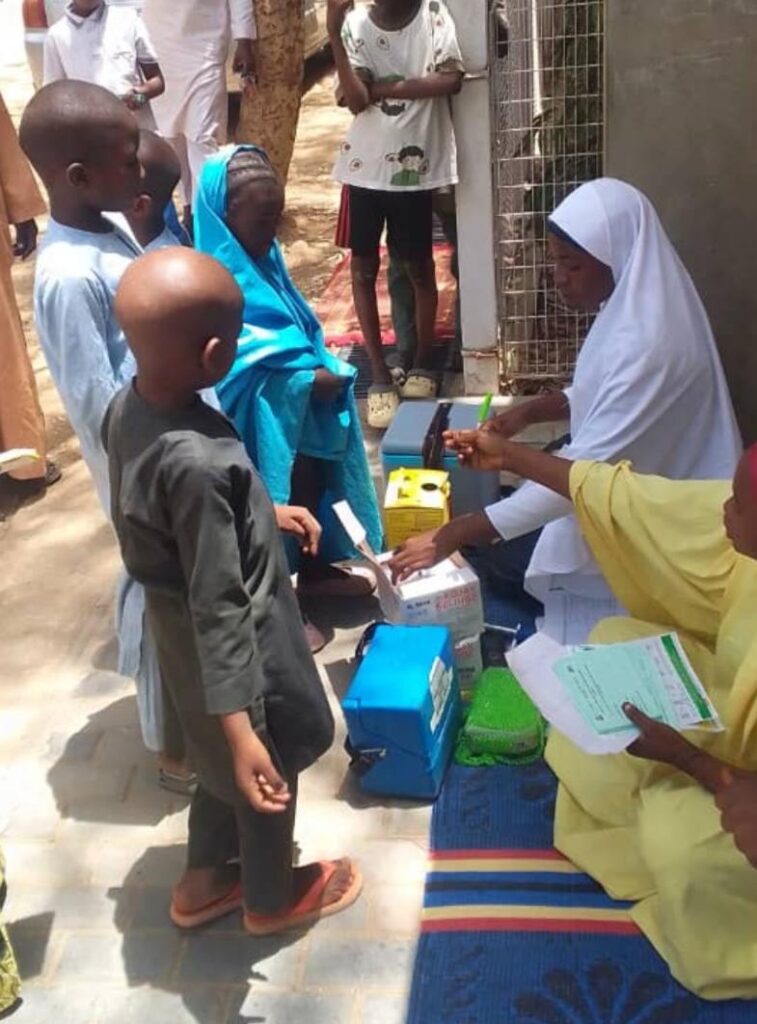
Expanding access to rural communities
Special attention is being given to hard-to-reach areas, including:
- Remote rural settlements
- Urban slums
- Nomadic populations
- Border communities
Mobile health teams will be deployed to ensure that no child is left out of the Kano zero-dose children vaccination programme.
Community Engagement and Public Mobilisation
Statewide health rally and awareness campaign
Kano will organise a statewide health walk and rally during the vaccination week.
Participants will include:
- Traditional leaders
- Religious leaders
- Health workers
- Civil society organisations
- Polio survivors
The aim is to strengthen public awareness and encourage vaccine uptake.
Role of community leaders in vaccination efforts
Community leaders are expected to support the campaign by:
- Mobilising caregivers
- Addressing vaccine hesitancy
- Supporting outreach teams
- Encouraging routine immunisation
Their involvement is seen as critical to the success of the Kano zero-dose children vaccination strategy.
Real-Time Data Monitoring and Accountability
Digital tracking system introduced
Kano has deployed a real-time data management system across all 44 local government areas.
This system tracks:
- Number of children vaccinated
- Geographic coverage
- Vaccine distribution
- Service delivery progress
Improving transparency and health outcomes
Officials say the system helps to:
- Identify coverage gaps
- Improve planning and coordination
- Strengthen accountability
- Support data-driven decisions
This ensures better management of the Kano zero-dose children vaccination programme.
Partnerships with Global Health Organisations
Support from international partners
Kano State is working closely with global health organisations including:
- World Health Organization (WHO)
- UNICEF
- Gavi, the Vaccine Alliance
These partners provide funding, logistics, and technical support.
Strengthening immunisation systems
Through these collaborations, Kano aims to:
- Improve vaccine supply chains
- Train healthcare workers
- Expand cold chain systems
- Strengthen routine immunisation services
These efforts support long-term improvements in the health system.
Measuring Success of the Campaign
Key performance indicators
The success of the Kano zero-dose children vaccination programme will be measured by:
- Increase in immunisation coverage
- Reduction in zero-dose children
- Improved data accuracy
- Higher community participation
Long-term public health impact
Health officials say the programme is expected to:
- Reduce child mortality
- Prevent disease outbreaks
- Strengthen primary healthcare systems
- Improve public health resilience
FAQ
What are zero-dose children in Kano?
Zero-dose children are those aged 0–23 months who have not received any routine vaccinations.
Why is Kano focusing on zero-dose children vaccination?
The goal is to reduce child mortality and prevent outbreaks of vaccine-preventable diseases.
What services are included in the campaign?
Services include immunisation, deworming, nutrition screening, antenatal care, and malaria treatment.
Which organisations support the programme?
WHO, UNICEF, and Gavi are supporting Kano’s vaccination efforts.
Conclusion
The renewed focus on Kano zero-dose children vaccination highlights the state’s commitment to improving child health and closing immunisation gaps. Through integrated healthcare delivery, community mobilisation, and global partnerships, Kano aims to strengthen its health system and ensure that every child receives essential vaccines.
PLEASE CLICK HERE FOR MORE NEWS