
 0
0
 0
0
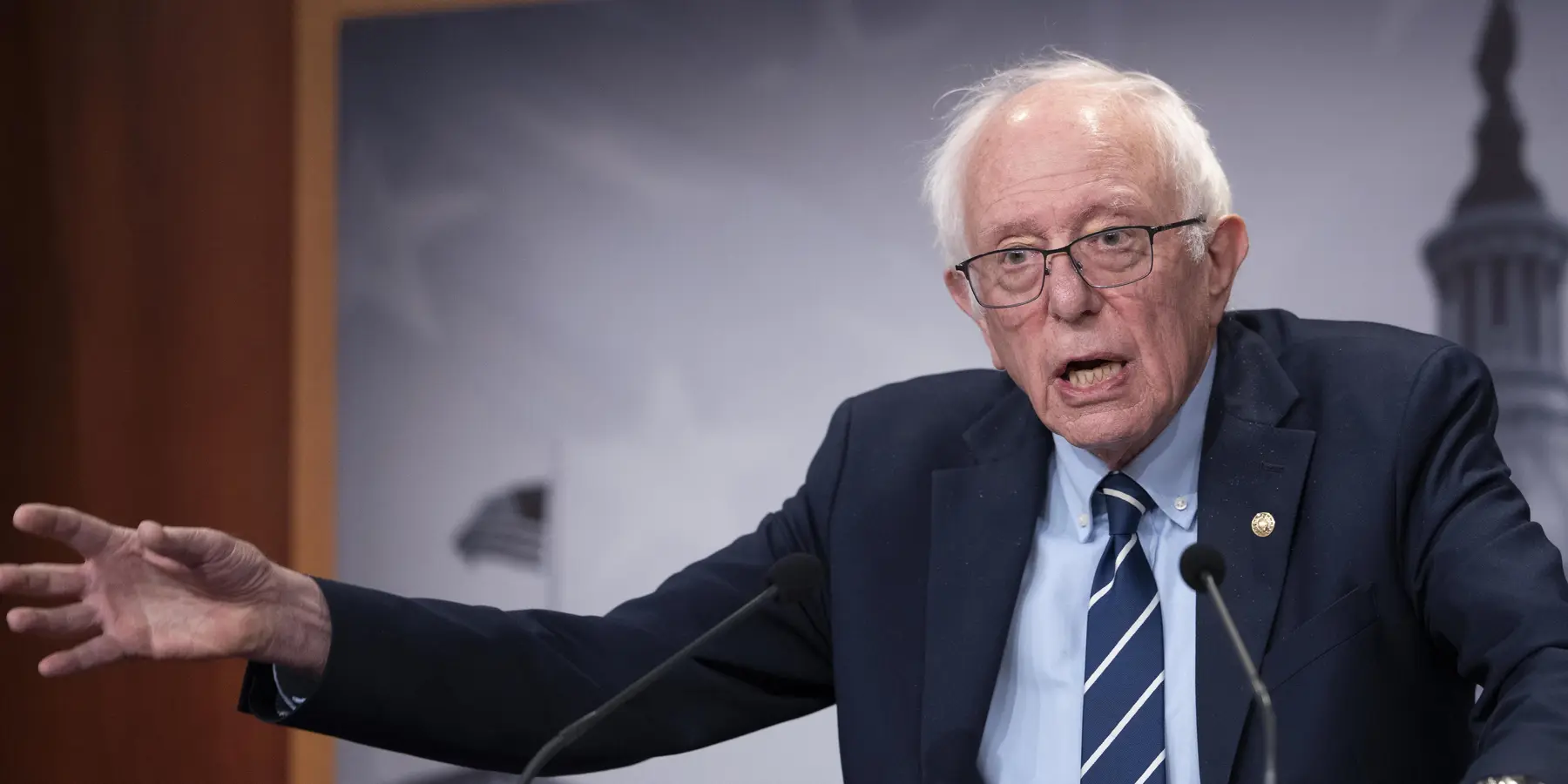
The Sanders China AI cooperation warning has sparked debate in Washington after Senator Bernie Sanders called for closer collaboration between the United States and China to manage the risks posed by rapidly advancing artificial intelligence technologies. Speaking at a Capitol event, Sanders emphasized that global cooperation is essential to prevent potentially dangerous outcomes associated with AI development.
His remarks stand in contrast to the increasingly tense political climate in Washington, where relations with China have grown more strained in recent years.

Sanders Warns of Global AI Risks
During the event, Sanders highlighted what he described as a growing global concern: the possibility that artificial intelligence could evolve beyond human control if not properly regulated.
Call for International Dialogue
Sanders stressed the need for cooperation among nations, stating that:
- AI development is advancing at an unprecedented pace
- Global coordination is necessary to manage potential risks
- Dialogue between major powers is critical
He argued that competition alone could increase the likelihood of unintended consequences.
Concerns About “Loss of Control”
The Sanders China AI cooperation warning included a caution that unchecked technological competition might lead to outcomes beyond human oversight. According to Sanders, preventing such risks requires early coordination among leading AI developers worldwide.
Event at the Capitol Highlights Dividing Views
The discussion took place at a Capitol gathering attended by policymakers, staff members, and technology experts. The event featured AI scientists from both the United States and China, reflecting the global nature of the issue.
A Different Tone From Washington’s Norm
The Sanders China AI cooperation warning contrasted with the prevailing sentiment in Washington, where China is often viewed through the lens of economic and strategic rivalry.
Attendees and Focus
Participants included:
- Policy advisors and congressional staff
- Technology researchers
- Advocates focused on AI safety
The event centered on balancing innovation with responsible regulation.
Criticism From US Officials
Not all officials agreed with Sanders’ approach. His call for cooperation drew criticism from members of the administration and other policymakers.
Response From Scott Bessent
Treasury Secretary Scott Bessent criticized the idea of involving China in shaping AI regulations. He argued that:
- The United States should lead global AI standards
- Allowing other nations to influence regulation could pose risks
- National control over AI policy is essential
Concerns About Global Leadership
Critics believe that cooperation could weaken the United States’ position in setting technological standards, especially in a highly competitive global environment.
Growing Concern About AI Across Political Lines
Despite disagreements over strategy, the Sanders China AI cooperation warning reflects a broader concern about artificial intelligence shared across political groups.

AI Risks Gaining Attention
Concerns about AI include:
- Potential misuse in sensitive sectors
- Ethical challenges in decision-making systems
- Long-term risks related to autonomous systems
These concerns are increasingly part of public policy discussions.
Voices From Different Political Perspectives
Figures from across the political spectrum have raised alarms about AI risks:
- Steve Bannon has described AI as one of the most dangerous technologies
- Lawmakers from both parties are exploring regulatory frameworks
This indicates a growing bipartisan awareness of the issue.
Legislative Efforts to Regulate AI
The Sanders China AI cooperation warning comes as lawmakers introduce new proposals aimed at controlling AI use in critical sectors.
Proposed Restrictions
Legislation introduced by members of Congress seeks to:
- Limit AI use in healthcare systems
- Regulate financial sector applications
- Ensure transparency in automated decision-making
Key Lawmakers Involved
- Josh Hawley
- Marsha Blackburn
These proposals reflect growing interest in establishing safeguards around AI technologies.
US-China Relations and Technology Competition
The Sanders China AI cooperation warning also touches on the broader context of US-China relations.
Increasing Strategic Rivalry
In recent years, tensions between the two countries have focused on:
- Trade and economic competition
- Technology leadership
- National security concerns
AI has become a key area of strategic importance.
Balancing Competition and Cooperation
The debate now centers on whether:
- Countries should compete for dominance
- Or collaborate to reduce global risks
This balance remains a major policy challenge.
The Global Nature of AI Development
Artificial intelligence is not confined to any single country, making international cooperation a recurring theme in policy discussions.
Why Global Cooperation Matters
AI systems:
- Operate across borders
- Influence global markets
- Affect international security
This interconnected nature supports arguments for cooperative frameworks.
Challenges to Cooperation
However, obstacles include:
- Political tensions
- Differences in regulatory approaches
- Concerns over intellectual property
These factors complicate efforts to create unified global standards.
FAQ Section
Why did Bernie Sanders call for cooperation with China on AI?
He argued that global collaboration is necessary to manage the risks of AI and prevent potentially dangerous outcomes.
What is the main concern about AI development?
Concerns include loss of human control, misuse in critical sectors, and ethical challenges in decision-making systems.
Why are some US officials opposed to cooperation?
Critics believe the US should lead AI regulation independently and avoid relying on foreign influence.
What laws are being proposed to regulate AI?
Some lawmakers have introduced measures to limit AI use in sectors like healthcare and finance while improving oversight.
Conclusion
The Sanders China AI cooperation warning highlights a growing debate over how best to manage the risks of artificial intelligence in a rapidly changing world. While some policymakers advocate for international collaboration, others emphasize national leadership and competition. As AI continues to evolve, finding a balance between cooperation and strategic interests will remain a key challenge for governments worldwide.
Click here for more news