 0
0
 0
0
The Iran war Swedish economy impact is expected to be more severe than earlier projections, according to Sweden’s government. Officials have warned that the ongoing conflict in the Middle East is now likely to place significant pressure on inflation, economic growth, and employment across the country.
The updated assessment marks a shift from earlier expectations of limited disruption to a more serious economic outlook.
Sweden Revises Economic Outlook Amid Iran War Impact
The Iran war Swedish economy impact has prompted Swedish authorities to revise their economic forecast, citing growing global instability.
Shift From Limited to Significant Impact
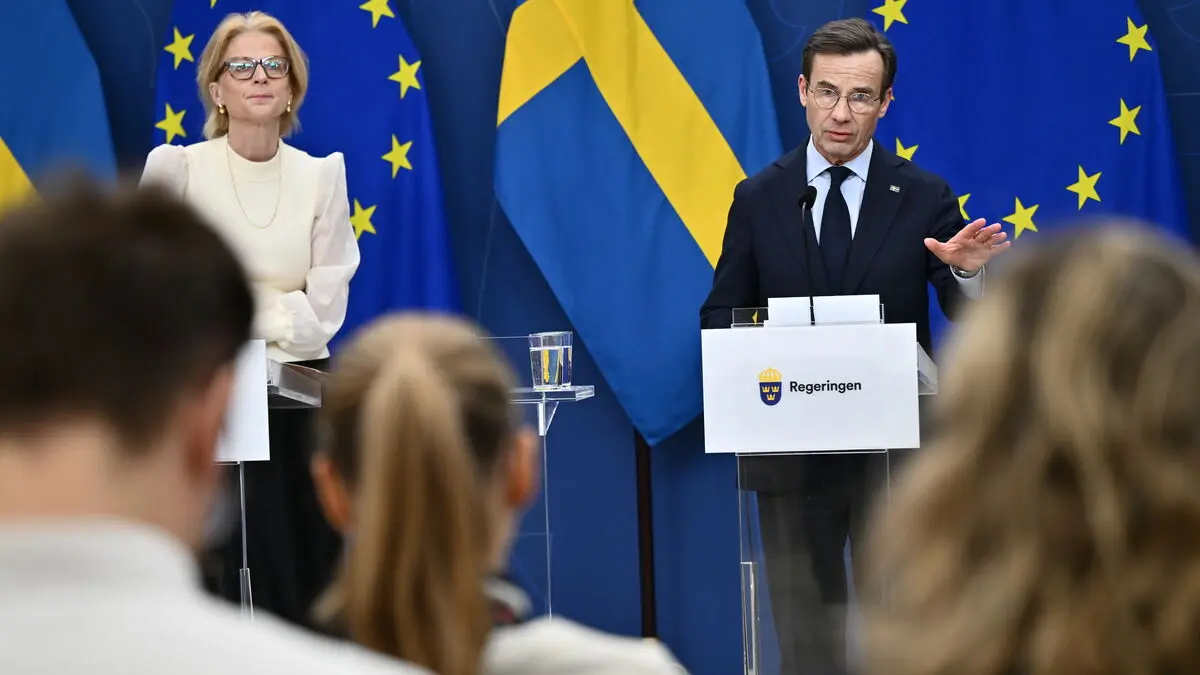
At a recent press briefing, officials stated that:
- The economic outlook has worsened significantly
- Previous projections underestimated global risks
- The conflict is now expected to have broader effects
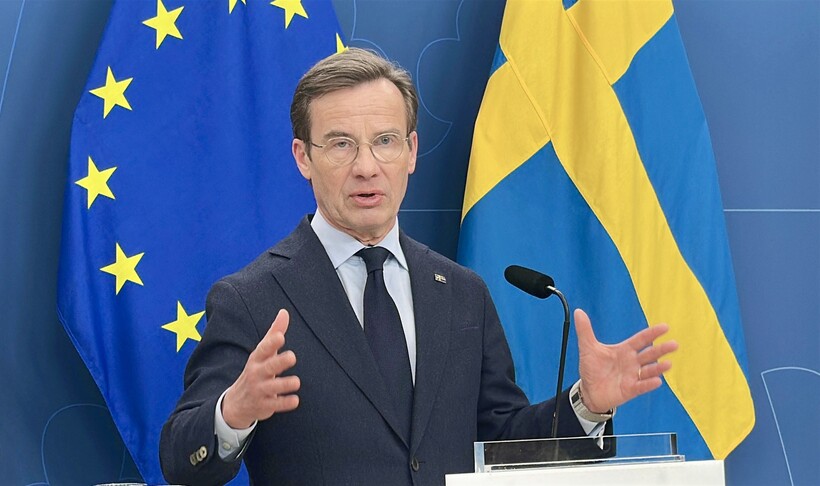
Prime Minister Ulf Kristersson explained that Sweden has moved:
- From a “limited impact” scenario
- To a “significant impact” economic scenario
Government Economic Warning
The updated outlook suggests:
- Higher inflation risks
- Slower economic growth
- Rising unemployment
- Potential interest rate increases
Rising Oil Prices Add Pressure to Global Economy
The Iran war Swedish economy impact is also being intensified by fluctuations in global oil markets.
Oil Prices Surge Above $102 Per Barrel
Oil prices recently climbed above:
- $102 per barrel
- Near the psychological $100 threshold
This increase is linked to:
- Rising geopolitical tensions
- Uncertainty in global shipping routes
- Market reactions to Middle East developments
Strait of Hormuz Tensions
Economic pressure increased after reports involving the Strait of Hormuz, a key global shipping route.
Key Developments
- Interference reports involving foreign vessels
- Concerns over maritime security
- Temporary market instability
These events contributed to renewed volatility in global energy prices.
Inflation and Growth Risks for Sweden
The Iran war Swedish economy impact is expected to affect several core areas of Sweden’s domestic economy.
Inflation Pressure Expected to Rise
Higher energy prices typically lead to:
- Increased transportation costs
- Higher production expenses
- Rising consumer prices
Slower Economic Growth
Sweden may also experience:
- Reduced business investment
- Lower consumer spending
- Slower industrial output
Employment and Interest Rate Concerns
Officials also warned of:
- Potential rise in unemployment
- Increased pressure on interest rate decisions
- Financial market uncertainty
Government Response and Policy Position
Despite the updated outlook, Swedish officials have not yet introduced new economic policies.
No Immediate Intervention Measures
At the press conference:
- No new fiscal policies were announced
- Authorities maintained a monitoring approach
- Further assessment is ongoing
Focus on Economic Stability
The government emphasized:
- Careful risk monitoring
- Coordination with economic institutions
- Preparedness for future developments
Global Market Reaction to Middle East Conflict
The Iran war Swedish economy impact reflects broader global economic reactions to geopolitical instability.
Energy Market Sensitivity
Global markets reacted strongly due to:
- Dependence on Middle East oil supply routes
- Fear of supply disruptions
- Rapid price fluctuations
Temporary Price Movements
Oil prices initially eased after ceasefire-related news but quickly rose again due to:
- Renewed regional tensions
- Security concerns in key shipping lanes
Economic Outlook Under Uncertainty
The revised forecast shows that external conflicts can have widespread economic effects even on non-involved countries like Sweden.
Key Risk Factors
- Energy dependency on global markets
- Inflation transmission from oil prices
- Trade and investment uncertainty
Long-Term Concerns
If tensions persist, Sweden could face:
- Prolonged inflationary pressure
- Slower recovery in key sectors
- Reduced economic competitiveness
FAQ Section
Why will the Iran war affect the Swedish economy?
Because global oil prices and trade routes are affected, leading to inflation and slower growth in Sweden.
What did the Swedish government change in its forecast?
It moved from predicting limited impact to expecting a significant economic impact.
How are oil prices connected to Sweden’s economy?
Higher oil prices increase transportation and production costs, raising inflation.
Has Sweden introduced new economic policies?
No new policy measures have been announced yet, but the situation is being monitored.
Conclusion
The Iran war Swedish economy impact highlights how global conflicts can influence even distant economies through energy prices and market instability. Sweden’s revised forecast reflects growing concerns over inflation, slower growth, and financial uncertainty. As geopolitical tensions continue, policymakers are expected to closely monitor developments and adjust strategies if needed.
Click here for more news