 0
0
 0
0
The Iran peace negotiation 14 points framework has emerged as a significant diplomatic development, outlining Tehran’s proposed conditions for ending ongoing tensions and reshaping regional stability. According to reports from the state-linked Tasnim News Agency, the proposal was delivered to mediator Pakistan for transmission to the United States.
The document outlines wide-ranging political, military, and economic demands that reflect Iran’s broader strategic priorities in the region.
Overview of Iran’s 14-Point Peace Proposal
The Iran peace negotiation 14 points proposal is structured as a comprehensive framework addressing both immediate conflict resolution and long-term geopolitical arrangements.
Key Themes in the Proposal
The points broadly focus on:
- Ending active hostilities within a defined timeline
- Redefining foreign military presence in the Middle East
- Lifting economic restrictions and sanctions
- Addressing regional security and maritime control
This combination shows an attempt to link security, economics, and diplomacy in a single negotiation package.
Diplomatic Channel Through Pakistan
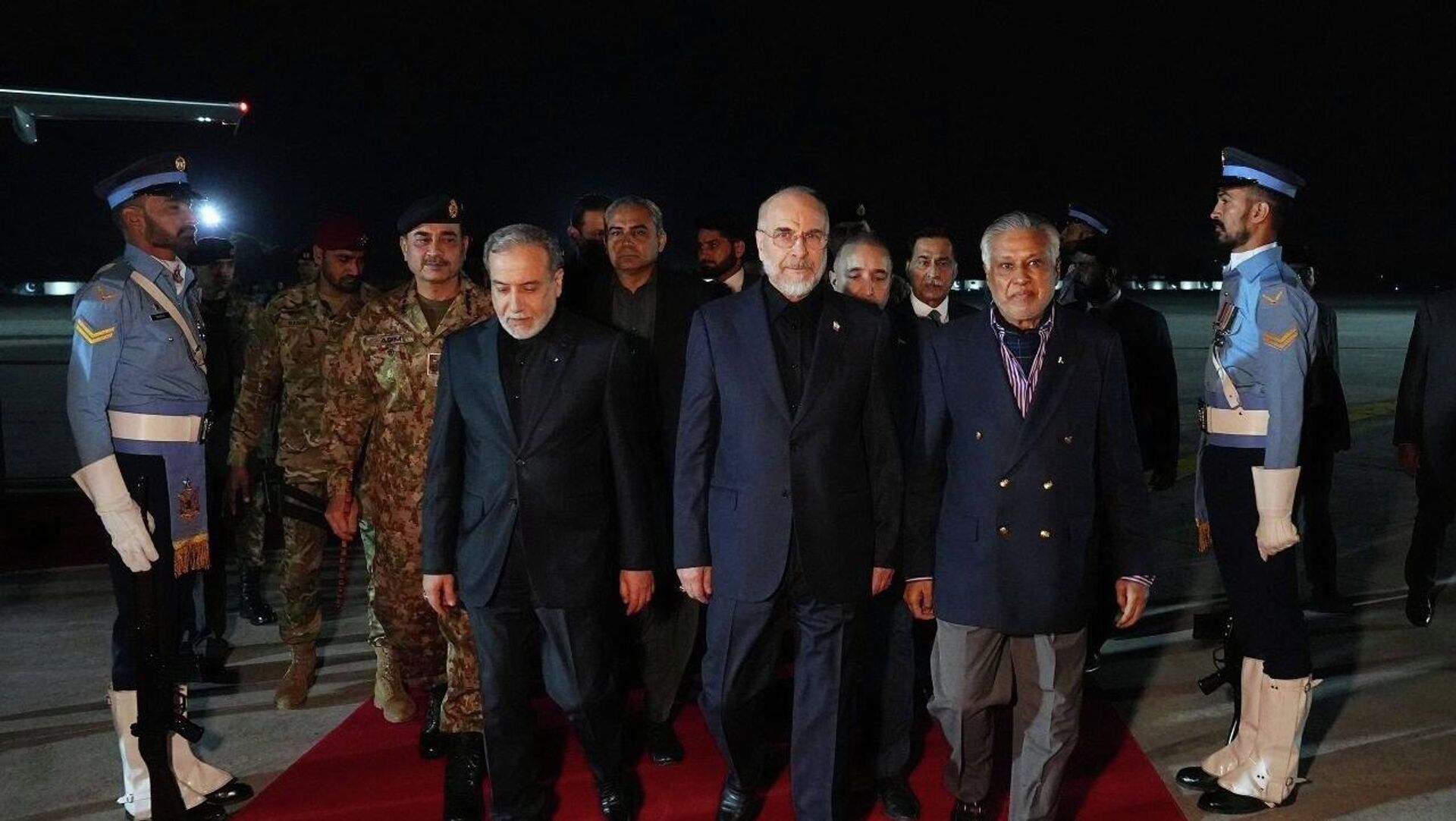
Iran reportedly submitted the proposal through Pakistan as a neutral intermediary. This approach is often used in sensitive negotiations where direct communication between primary parties is limited.
Demand for Rapid End to Hostilities
One of the central elements of the Iran peace negotiation 14 points framework is a strict timeline for ending conflict.
30-Day Ceasefire Deadline
Iran is reportedly demanding:
- A formal end to the war within 30 days
- Rejection of any extension to ceasefire timelines
- Immediate de-escalation of military activity
This contrasts with other proposals suggesting longer transition periods.
Emphasis on Immediate Stability
The demand highlights Iran’s preference for:
- Fast resolution over prolonged negotiations
- Reduced uncertainty in regional security
- Early withdrawal from active conflict conditions
Proposal on Military Presence in the Region
Another major component focuses on foreign military forces in the Middle East.
Call for US Withdrawal
The Iran peace negotiation 14 points include a demand for:
- Withdrawal of American forces from the Middle East
- Guarantees against future military strikes
- Long-term non-intervention commitments
This reflects longstanding tensions between Iran and the United States.
Regional Security Guarantees
Iran also calls for broader security arrangements that would:
- Prevent renewed military escalation
- Reduce foreign military influence
- Establish clearer boundaries for regional operations
Economic Conditions and Sanctions Relief
Economic demands form a significant part of the proposal.
Lifting of US Sanctions
Iran is calling for the removal of economic restrictions, including:
- Financial sanctions targeting Iranian institutions
- Trade limitations affecting energy exports
- Restrictions on international banking access
These measures have long impacted Iran’s economy.
Compensation for War Damages
A notable demand in the Iran peace negotiation 14 points framework includes financial compensation.
This would involve:
- Payment for infrastructure damage
- Economic losses during conflict periods
- Restoration support for affected regions
Strategic Maritime Proposal: Strait of Hormuz
A key geopolitical element involves maritime control and trade routes.
Proposal for Customs Rights
Iran suggests a revised arrangement for the Strait of Hormuz, one of the world’s most important oil transit routes.
Key points include:
- Lifting of any blockade conditions
- Allowing Iran to collect customs fees from passing vessels
- Establishing regulated maritime access
The Strait of Hormuz remains central to global energy trade, making this proposal highly significant.
Regional Conflict De-escalation Measures
Beyond direct US relations, Iran’s proposal includes broader regional considerations.
Ceasing Military Activity in Neighboring Conflicts
The framework calls for:
- Ending attacks across the region
- Reducing military involvement in neighboring states
- Preventing spillover of conflicts
This includes references to ongoing tensions in areas such as Lebanon and other regional flashpoints.
Stability-Focused Approach
These measures aim to:
- Limit regional escalation
- Encourage diplomatic settlement of disputes
- Create a more predictable security environment
Nuclear Program Discussions Postponed
A notable strategic element in the Iran peace negotiation 14 points is the handling of nuclear-related talks.
Delay of Nuclear Negotiations
Iran proposes that discussions regarding its nuclear energy program be postponed to a later stage.
This includes:
- Deferring sensitive nuclear negotiations
- Separating nuclear issues from immediate ceasefire talks
- Avoiding premature escalation in technical discussions
Strategic Negotiation Sequencing
By delaying this topic, Iran appears to be:
- Prioritizing immediate political and security issues
- Seeking leverage in later stages of negotiation
- Reducing early pressure on nuclear commitments
Role of Mediation and International Diplomacy
The involvement of Pakistan highlights the importance of third-party mediation.
Pakistan’s Diplomatic Role
As an intermediary, Pakistan’s responsibilities include:
- Transmitting proposals between Iran and the US
- Facilitating indirect dialogue
- Supporting communication channels during sensitive negotiations
This helps maintain dialogue even when direct talks are limited.
Broader International Context
The proposal also reflects wider diplomatic dynamics involving:
- Regional alliances
- Global energy security concerns
- Ongoing geopolitical tensions
Possible Reactions and Challenges
The Iran peace negotiation 14 points proposal is likely to generate varied responses.
Potential US Position
The United States may evaluate:
- Feasibility of sanctions relief
- Security implications of military withdrawal
- Conditions tied to nuclear negotiations
Regional Concerns
Other regional actors may focus on:
- Balance of power shifts
- Maritime trade implications
- Long-term security arrangements
FAQs
What are Iran’s 14 peace negotiation points?
They are a set of proposals outlining ceasefire terms, sanctions relief, military withdrawal, and regional security conditions.
Why is Pakistan involved in the negotiations?
Pakistan is acting as a mediator to relay diplomatic messages between Iran and the United States.
What is Iran demanding from the United States?
Iran is calling for an end to sanctions, military withdrawal from the region, and compensation for war-related damages.
Why is the Strait of Hormuz important in the proposal?
It is a critical global energy route, and Iran proposes lifting restrictions and introducing customs fees on passing ships.
Conclusion
The Iran peace negotiation 14 points framework represents a broad and strategic attempt to reshape regional diplomacy through a combination of security guarantees, economic demands, and political restructuring. While the proposal covers complex and sensitive issues, its success will depend on how key stakeholders respond, particularly regarding sanctions, military presence, and long-term regional stability.
Clickhere for more news