 0
0
 0
0
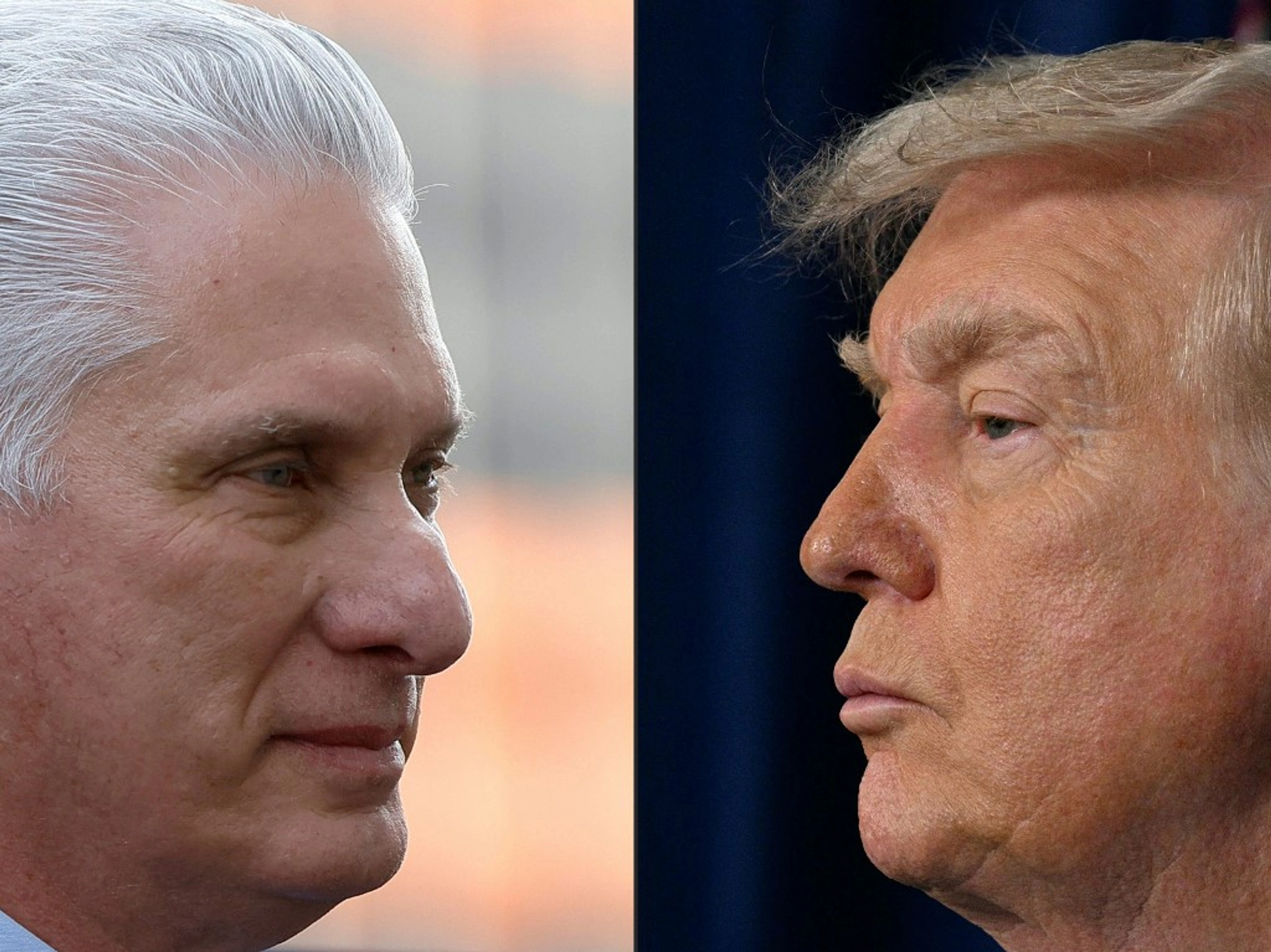
The US military options Cuba economic concessions debate is gaining attention as the administration of Donald Trump explores multiple approaches toward Havana. While military scenarios are reportedly under review, the primary strategy centers on leveraging economic pressure to push for reforms within Cuba.
Recent reports indicate that Washington is prioritizing negotiations tied to economic restructuring rather than immediate escalation. This reflects a broader policy direction focused on achieving tangible economic outcomes.
Why the US Is Considering Pressure on Cuba
The relationship between the United States and Cuba has long been shaped by political differences and economic restrictions. The current US military options Cuba economic concessions approach reflects an effort to reshape that dynamic.
Longstanding Political and Economic Tensions
Tensions between the two nations date back decades, influenced by ideological divides and sanctions policies.
Key factors include:
- The continuation of centralized economic control in Cuba
- Limited private sector opportunities
- Restrictions on foreign investment
These issues have remained central to US policy discussions.
Strategic Shift Toward Economic Leverage
Instead of focusing solely on political transformation, the administration appears to be prioritizing economic changes.
The US military options Cuba economic concessions strategy highlights a preference for:
- Market-oriented reforms
- Increased economic engagement
- Expansion of US business interests abroad
Military Options Remain Under Consideration
Although economic measures are the primary focus, military options have not been ruled out.
What “Military Options” Could Mean
Military considerations do not necessarily imply imminent action. Instead, they often represent contingency planning.
Possible interpretations include:
- Strategic deterrence measures
- Increased regional military presence
- Scenario planning for potential crises
The inclusion of such options underscores the seriousness of the situation.
Balancing Pressure Without Escalation
The administration appears cautious about avoiding direct conflict while maintaining leverage.
This balance suggests:
- Preference for diplomacy backed by strength
- Avoidance of large-scale military engagement
- Focus on influencing outcomes without destabilization
Key Economic Demands from Washington
Central to the US military options Cuba economic concessions framework are specific economic goals.
Privatization of State-Owned Enterprises
One major objective is the restructuring of Cuba’s economy through privatization.
This would involve:
- Reducing government control over key industries
- Encouraging private ownership and competition
- Opening markets to foreign investors
Such changes could significantly alter Cuba’s economic landscape.
Expanding Foreign Investment Opportunities
The US is also pushing for increased access for international investors.
Potential outcomes include:
- Greater participation of global companies in Cuban markets
- Improved infrastructure through foreign funding
- Integration into broader economic systems
Increasing Internet Access
Another important demand involves digital access.
Expanding internet availability could:
- Support business development
- Improve communication and information flow
- Encourage technological growth
Boosting American Energy Exports
Energy trade is also a key component of negotiations.
The US military options Cuba economic concessions strategy includes:
- Encouraging Cuba to purchase energy from US companies
- Strengthening economic ties through trade
- Supporting American energy sector growth
Influence of Cuban Diaspora in Florida
Domestic political dynamics also play a role in shaping US policy.
Calls for Stronger Action
Many members of the Cuban diaspora, particularly in Florida, have advocated for more aggressive measures.
Their position often includes:
- Complete removal of Cuba’s current leadership
- Stronger sanctions or intervention
- Immediate political transformation
Administration’s More Flexible Approach
Despite these pressures, the administration appears open to compromise.
Rather than insisting on immediate regime change, it may accept:
- Gradual economic reforms
- Partial policy shifts
- Incremental engagement
This reflects a pragmatic approach to achieving policy goals.
Role of Cuban Leadership
Cuba’s response to these developments will be critical.
Position of President Miguel Díaz-Canel
Miguel Díaz-Canel leads a government that has traditionally maintained centralized economic control.
Key considerations for Cuban leadership include:
- Balancing reform with political stability
- Managing external pressure
- Preserving national sovereignty
Potential Challenges to Reform
Implementing the requested changes could present difficulties.
Challenges may involve:
- Resistance within government structures
- Economic disruption during transition
- Public response to policy shifts
Broader Foreign Policy Context
The US military options Cuba economic concessions approach aligns with wider foreign policy trends.
Emphasis on Economic Interests
Current policy appears to prioritize economic gains over other objectives.
This includes:
- Expanding trade opportunities
- Supporting American industries abroad
- Leveraging economic tools for geopolitical influence
Reduced Focus on Ideological Goals
Compared to previous approaches, there is less emphasis on promoting democracy or human rights as primary objectives.
Instead, the focus is on:
- Achieving measurable economic outcomes
- Negotiating practical agreements
- Maintaining strategic advantage
Possible Outcomes and Next Steps
The situation remains fluid, with multiple potential scenarios.
Short-Term Developments
In the near term, attention will likely focus on:
- Diplomatic negotiations
- Responses from Cuban leadership
- Adjustments in US policy stance
Long-Term Implications
Over time, the US military options Cuba economic concessions strategy could lead to:
- Changes in Cuba’s economic structure
- New trade relationships
- Shifts in regional dynamics
FAQs
Why is the US considering military options for Cuba?
The US is reviewing military scenarios as part of broader strategic planning while primarily focusing on economic pressure and negotiations.
What economic changes is the US seeking from Cuba?
The US is pushing for privatization, increased foreign investment, expanded internet access, and energy trade with American companies.
Is the US planning immediate military action against Cuba?
There is no indication of immediate action; military options are part of contingency planning rather than a confirmed course.
How might Cuba respond to US demands?
Cuba may weigh economic reforms against political stability, potentially adopting gradual changes rather than sweeping transformations.
Conclusion
The US military options Cuba economic concessions strategy reflects a complex approach combining economic pressure with strategic planning. While military considerations remain in the background, the primary focus is on achieving economic reforms that align with US interests. The outcome will depend on negotiations, regional dynamics, and the willingness of both sides to engage in compromise.
Click here for more news