 0
0
 0
0
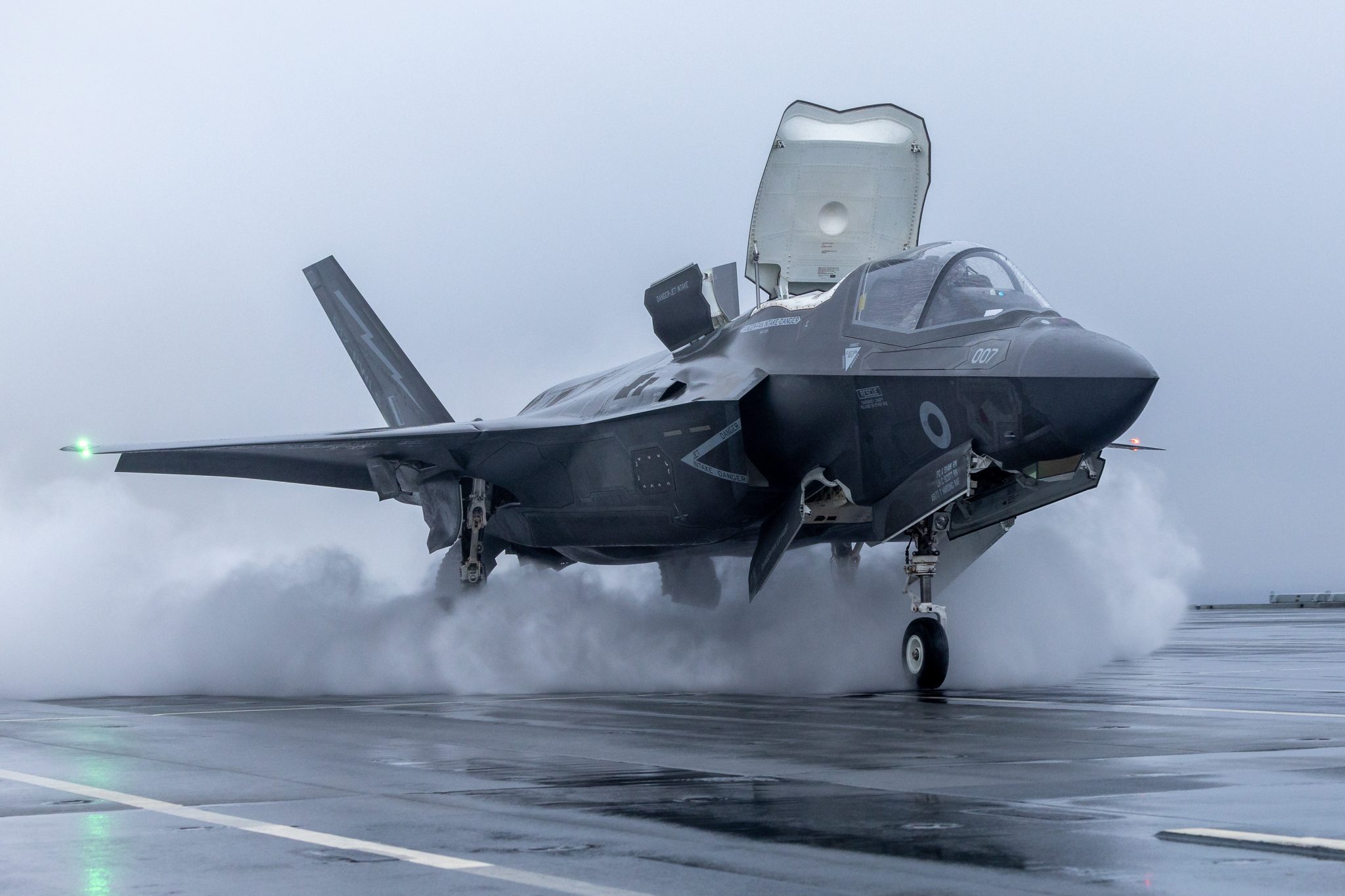
F-35 software delays UK glide bombs plans have become a major issue for Britain’s defense strategy after ongoing software setbacks forced the Ministry of Defence to seek an interim weapons solution for its fighter fleet. The UK government confirmed that US-made StormBreaker glide bombs will temporarily fill the capability gap while waiting for delayed integration of the SPEAR 3 missile system on F-35 aircraft. Moreover, the F-35 software delays UK glide bombs issue has led to a reevaluation of operational strategies.
The development highlights continuing concerns surrounding the long-running F-35 program, especially delays linked to Lockheed Martin’s Block 4 software upgrades. British officials now face growing pressure to maintain operational readiness while critical capabilities remain unavailable years behind schedule.
Recent discussions highlighted that F-35 software delays UK glide bombs integration timeline may push potential combat operations further back than anticipated.

UK Turns to US StormBreaker Bombs
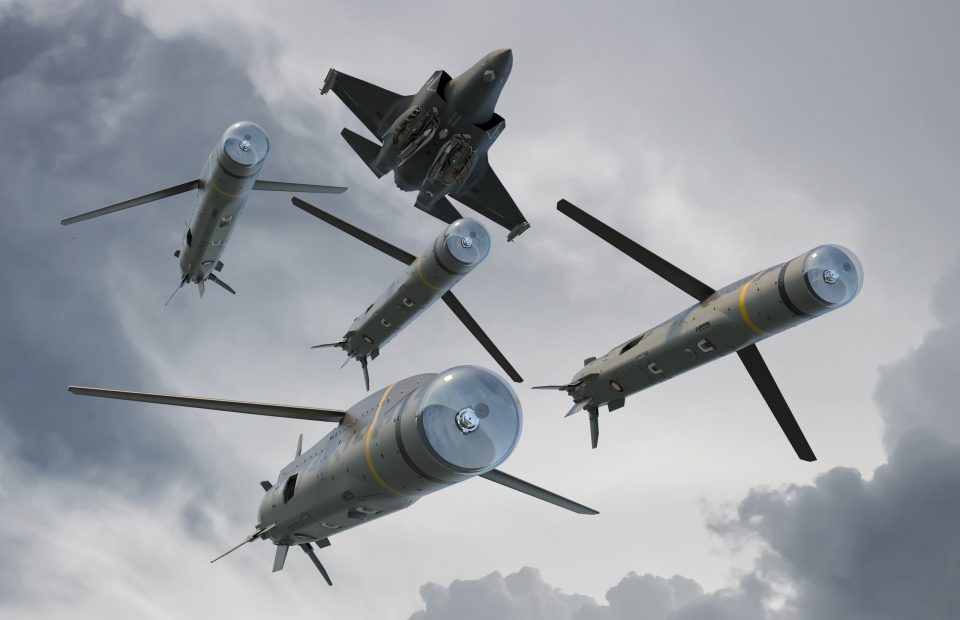
Britain’s Ministry of Defence confirmed that it has approved the purchase of the Small Diameter Bomb II, known in US military service as the GBU-53/B StormBreaker. The precision-guided glide bomb will serve as an interim stand-off weapon for the Royal Air Force’s F-35B fighter jets.
As a temporary fix, the F-35 software delays UK glide bombs integration may necessitate more reliance on US systems until the SPEAR 3 becomes operational.
The decision comes after repeated delays to the software needed for the integration of the UK-developed SPEAR 3 mini-cruise missile.
The StormBreaker weapon allows aircraft to strike targets from long distances while reducing exposure to enemy air defenses. The bomb uses fold-out wings that enable it to glide toward targets over distances of more than 100 kilometers.
Why the UK Needs an Interim Weapon
British defense planners originally intended for the SPEAR 3 missile to provide the F-35 fleet with a modern stand-off strike capability. The missile completed successful testing in 2024 and was expected to enter service much earlier.
The F-35 software delays UK glide bombs problem underscores the urgent need for a reliable interim solution.
However, integration problems linked to the F-35 Block 4 software upgrade delayed the timeline significantly.
Officials now expect full integration by 2031, roughly five years later than initially planned.
Because of the delay, Britain needed a temporary alternative that could ensure operational effectiveness during future deployments.
StormBreaker Features and Capabilities
Consequently, the F-35 software delays UK glide bombs situation requires immediate attention from defense planners.
The StormBreaker bomb includes several advanced targeting technologies:
- Radar guidance
- Infrared tracking
- Laser targeting
- Precision strike capability
- Long-range glide attack system
The weapon is designed to engage moving targets even in poor weather conditions.
Military analysts say the bomb provides flexibility for modern combat operations, especially in contested environments where aircraft must avoid heavily defended areas.
SPEAR 3 Missile Delays Continue
With the ongoing F-35 software delays UK glide bombs affecting strategic decisions, officials are under pressure to find rapid solutions.
The F-35 software delays UK glide bombs decision directly stems from problems affecting Lockheed Martin’s Block 4 modernization package.
The Block 4 update is intended to add new weapons support, enhanced sensors, improved electronic warfare systems, and expanded combat capabilities for the stealth fighter.
Unfortunately, the program has faced multiple setbacks over recent years.
Lockheed Martin Facing Pressure
Lockheed Martin has struggled to deliver several software milestones tied to the F-35 modernization roadmap. Delays have affected multiple partner nations operating the aircraft.
The UK’s Public Accounts Committee previously criticized the Ministry of Defence for relying too heavily on timelines that repeatedly slipped.
The committee warned that delays in integrating essential weapons could undermine Britain’s combat readiness and strategic planning.
British Officials Respond to Criticism
The implications of F-35 software delays UK glide bombs on military operations are significant and far-reaching.
In a formal response to Parliament, Ministry of Defence Permanent Secretary Jeremy Pocklington acknowledged the capability gap and confirmed the procurement of the interim US bombs.
Officials also admitted that Britain’s F-35 force still lacks some of the critical operational capabilities initially promised when the aircraft entered service.
The government argued that the temporary acquisition would maintain operational flexibility until SPEAR 3 becomes fully available.
F-35 Operational Problems Under Scrutiny
The F-35 software delays UK glide bombs issue is only one part of broader criticism facing the British fighter program.
A parliamentary report published earlier raised concerns over logistics, engineering shortages, spare parts availability, and long-term sustainment planning.
Spare Parts Shortages During Deployment
During Operation Highmast, Britain reportedly deployed 24 F-35B aircraft aboard HMS Prince of Wales.
However, officials later admitted that available spare parts were insufficient to fully support the deployment.
These F-35 software delays UK glide bombs issues highlight the importance of robust logistical support in military planning.
The Ministry of Defence had to supplement supplies using additional land-based spare packs to maintain readiness levels.
The issue sparked criticism from lawmakers, who argued that modern military operations require stronger logistical preparation.
Corrosion Problems Affect Carrier-Based Jets
Carrier operations create difficult conditions for advanced stealth aircraft like the F-35.
British officials also warned that corrosion prevention efforts may temporarily reduce aircraft availability.
Saltwater exposure can damage aircraft structures and potentially affect stealth coatings that reduce radar visibility.
The UK is also still working on facilities needed to properly assess whether the aircraft’s stealth characteristics remain effective after extended operations.
Engineering Challenges Affect the Program
The F-35 software delays UK glide bombs scenario requires not only immediate fixes but also long-term strategies to ensure future readiness.
Another major concern surrounding Britain’s F-35 fleet involves engineering and maintenance staffing shortages.
The Ministry of Defence admitted that additional recruitment efforts are underway to strengthen technical support teams.
RAF Expanding Engineering Workforce
British officials stated that more engineering positions are being created to improve aircraft maintenance capacity.
However, training qualified F-35 engineers can take several years due to the complexity of the aircraft and its systems.
The government expects some staffing shortages to continue until at least 2032.
Long-Term Readiness Concerns
Defense experts say personnel shortages could impact future deployments and aircraft availability rates.
Modern stealth aircraft require specialized maintenance procedures that differ significantly from older fighter jets.
Without enough trained engineers, operational readiness can decline even when aircraft numbers increase.

UK Defense Spending Debate Intensifies
In light of F-35 software delays UK glide bombs, the debate over defense spending and procurement strategies is timely and crucial.
The F-35 software delays UK glide bombs story has reignited debate about Britain’s defense procurement strategy.
Critics argue that repeated delays, rising costs, and capability gaps highlight deeper problems within military acquisition programs.
Parliament Questions Planning Decisions
Members of Parliament criticized the Ministry of Defence for what they described as poor long-term planning.
Some lawmakers questioned why interim solutions were not prepared earlier once software delays became apparent.
Others warned that dependence on foreign-made systems could create additional strategic vulnerabilities.
Britain Still Committed to F-35 Program
Despite criticism, the UK remains fully committed to the F-35 fighter program.
British officials continue to describe the aircraft as a cornerstone of future air power and carrier strike operations.
The government also maintains that the eventual integration of SPEAR 3 will significantly enhance the aircraft’s combat effectiveness.
What Happens Next for the UK F-35 Fleet?
The next few years will likely determine whether Britain can overcome current capability gaps while maintaining combat readiness.
Defense planners must balance immediate operational needs with long-term modernization goals.
Key Developments to Watch
Several major developments could shape the future of the program:
- Delivery timeline for Block 4 software
- Full integration testing of SPEAR 3
- Expansion of engineering workforce
- Improvements to logistics and spare parts supply
- Increased carrier deployment readiness
Military analysts say the outcome will influence Britain’s future air combat strategy for decades.
FAQ
Ultimately, the F-35 software delays UK glide bombs issue will shape the future of Britain’s defense capabilities.
Why is the UK buying US glide bombs for the F-35?
The UK is buying US StormBreaker glide bombs because delays to F-35 Block 4 software have postponed integration of the British SPEAR 3 missile system.
What is causing the F-35 software delays?
The delays are linked to ongoing development problems affecting the F-35 Block 4 modernization program managed by Lockheed Martin.
What is the StormBreaker glide bomb?
StormBreaker is a precision-guided glide bomb capable of long-range attacks using radar, infrared, and laser guidance systems.
When will SPEAR 3 be integrated into the F-35?
Current estimates suggest SPEAR 3 integration may not arrive until 2031 due to continued software development delays.
The F-35 software delays UK glide bombs situation reflects the growing challenges modern defense programs face when advanced hardware depends heavily on complex software integration. While Britain’s temporary use of US-made StormBreaker bombs helps maintain operational capability, questions remain about long-term timelines, costs, and readiness as the F-35 modernization process continues.
PLEASE CLICK HERE FOR MORE NEWS
Thus, the ongoing situation surrounding F-35 software delays UK glide bombs remains a critical topic for defense analysts and policymakers.