 0
0
 0
0
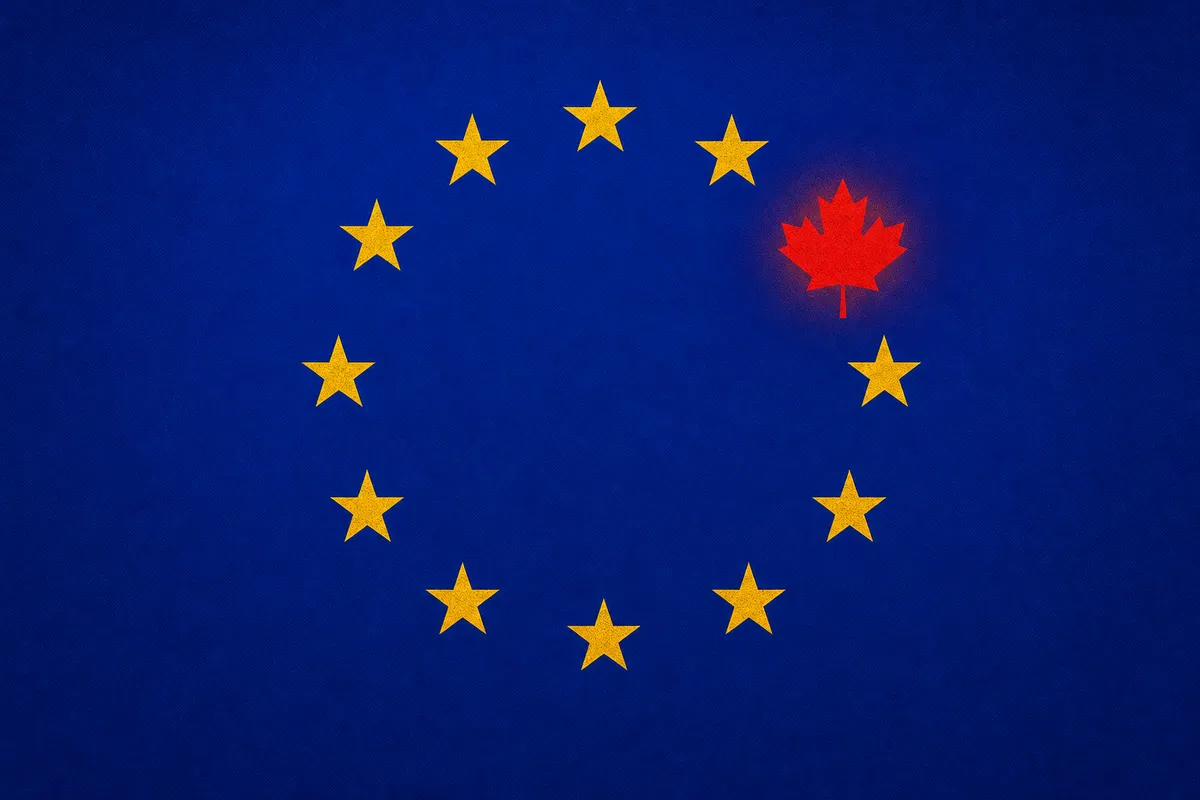
Canada EU Atlantic ties have become a growing focus in international relations as Canada strengthens cooperation with Europe while tensions with the United States continue to reshape global alliances. Recent diplomatic moves, trade agreements, and political discussions suggest a gradual shift in Canada’s strategic direction toward Europe.
Canadian Prime Minister Mark Carney’s recent participation in a European Political Community meeting in Armenia highlights this evolving relationship. The visit, along with renewed discussions about Canada’s alignment with European partners, signals a broader reassessment of Canada’s position between two major global blocs.
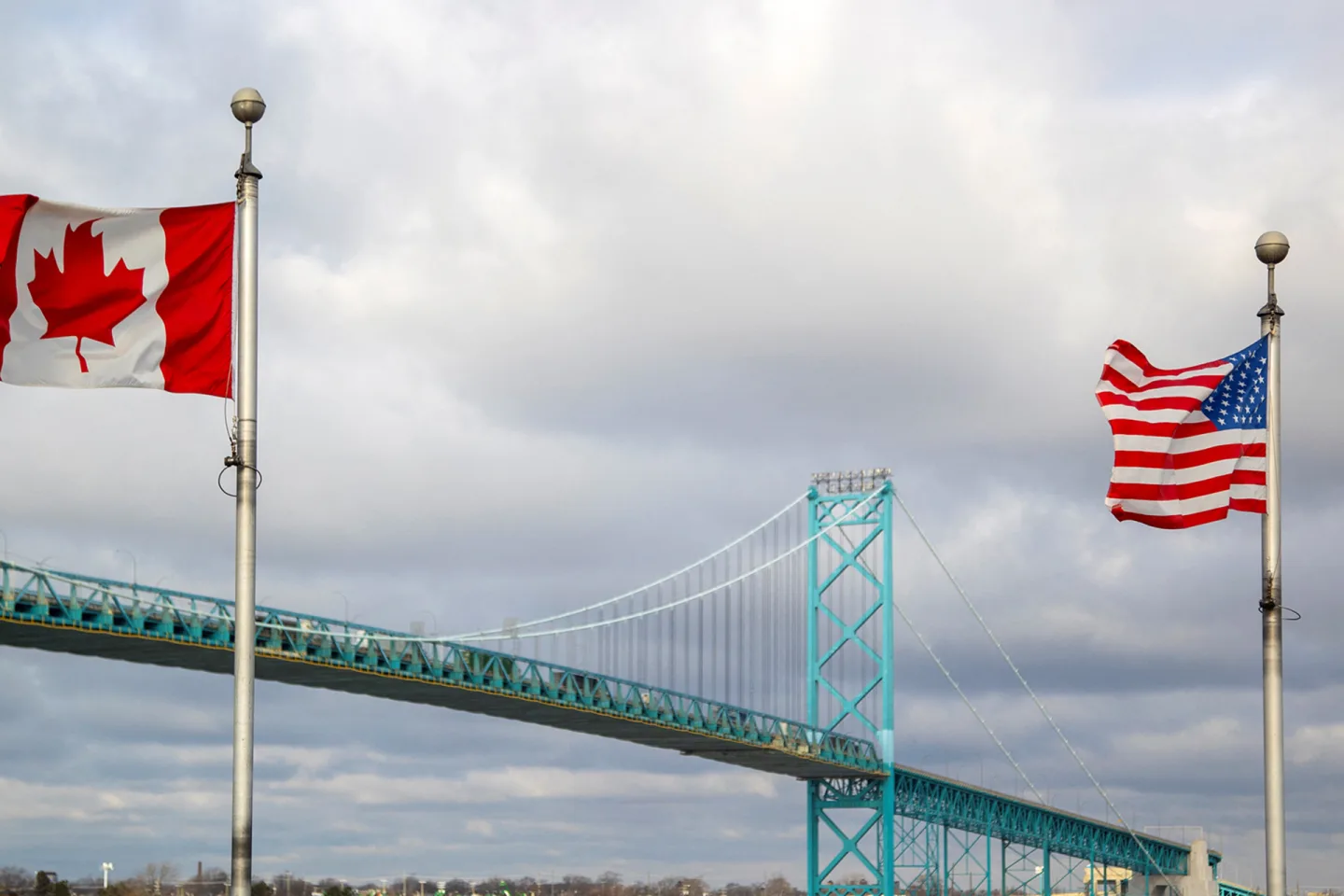
Canada EU Atlantic Ties Gain Momentum Amid Global Shifts
The Canada EU Atlantic ties discussion has intensified due to increasing cooperation between Ottawa and Brussels in trade, security, and diplomacy. This shift is occurring as both Canada and the European Union navigate changing relations with the United States.
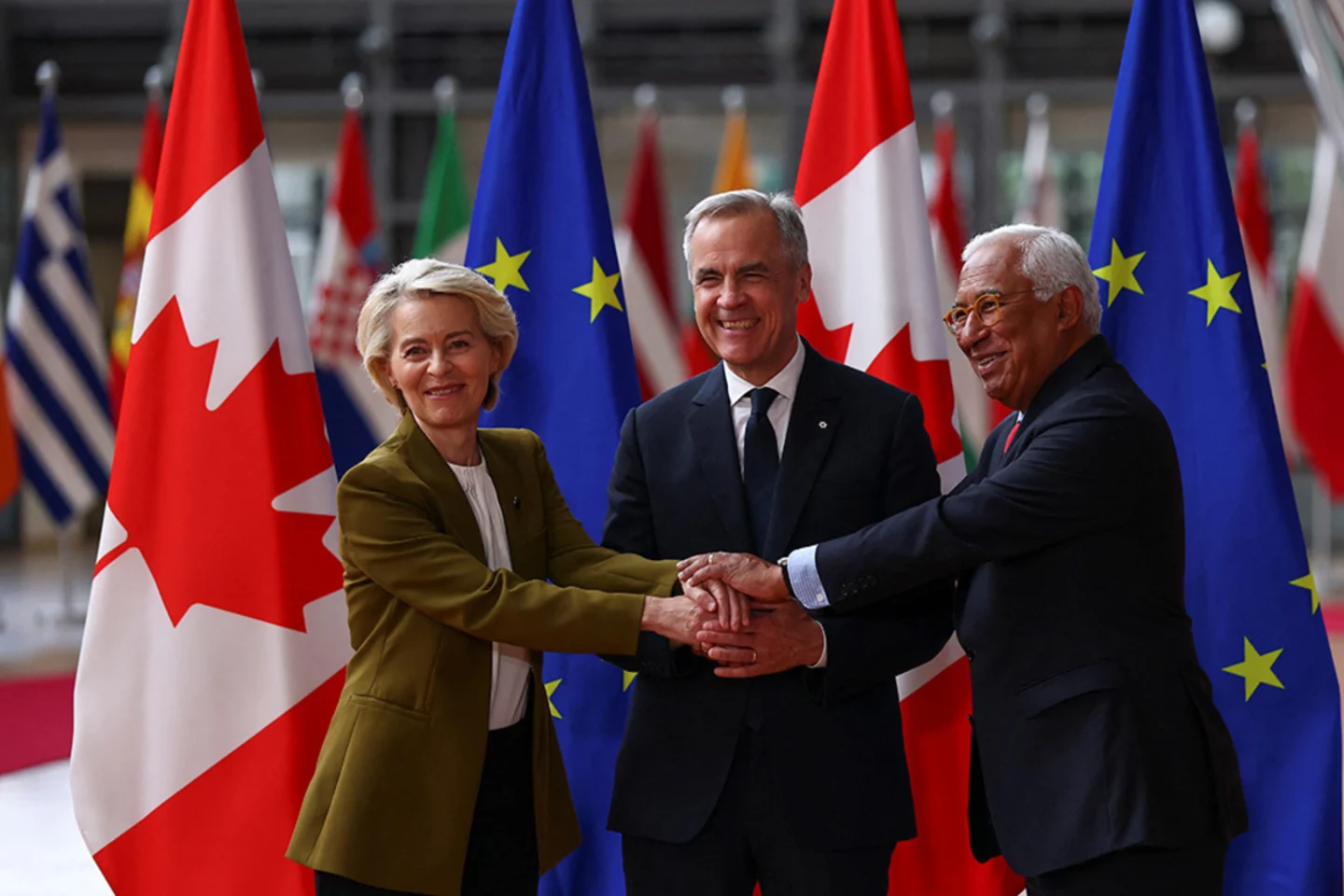
Prime Minister Carney’s Diplomatic Engagement in Europe
During the European Political Community meeting in Armenia, Prime Minister Mark Carney addressed leaders from across Europe. Notably, he became the first leader of a non-European country to participate in the forum.
He emphasized the importance of collaboration among “middle powers” in rebuilding international stability.
Key points from his remarks include:
- Support for stronger cooperation between Canada and European nations
- Recognition of global political and economic disruption
- Emphasis on rebuilding the international order through European-led partnerships
Focus on Trade, Security, and Energy Cooperation
The meeting centered on three major areas:
- Trade integration
- Energy security
- Defense cooperation
These topics reflect growing alignment in Canada EU Atlantic ties, particularly as both sides seek to reduce uncertainty in global markets.
Rising Discussion About Canada and European Union Alignment
Interest in Canada’s relationship with Europe has grown beyond diplomacy into political debate. Some European politicians have even suggested the idea of Canada deepening its integration with the European Union.
Political Debate Around EU Membership Ideas
Although not formally proposed, discussions in political circles have raised questions about Canada’s long-term alignment. These conversations have been influenced by:
- Increasing trade cooperation with the EU
- Shared democratic and regulatory values
- Shifts in US foreign policy direction
The Canada EU Atlantic ties narrative has therefore expanded into broader discussions about global alignment.
Influence of US-Canada Trade Tensions
Tensions between Canada and the United States have also contributed to this shift. Issues include:
- Tariffs placed on Canadian exports
- Political rhetoric suggesting closer US integration proposals
- Policy disagreements affecting cross-border trade
These factors have encouraged Canada to diversify partnerships beyond North America.
Shared Values Strengthening Canada EU Atlantic Ties
A major reason behind closer cooperation is the strong foundation of shared cultural, political, and economic systems between Canada and Europe.
Historical and Cultural Connections
Canada’s identity has deep European roots, including:
- British influence on its parliamentary system
- French influence on civil law traditions
- Official bilingualism in English and French
- Large population with European ancestry
These similarities reinforce Canada EU Atlantic ties at a structural level.
Social and Political System Alignment
Canada and the EU also share similar policy frameworks in several areas:
- Universal healthcare systems
- Higher public service investment compared to the US
- Stronger regulation in key industries
- Social welfare programs such as childcare and pharmacare
These shared approaches make policy coordination easier between Canada and European nations.
Trade Expansion and Economic Integration With the EU
Economic cooperation has become one of the strongest pillars of Canada EU Atlantic ties in recent years.
CETA Trade Agreement Impact
The Comprehensive Economic and Trade Agreement (CETA), signed in 2016, significantly reshaped trade relations between Canada and the EU.
Key outcomes include:
- Elimination of approximately 98% of tariffs
- Increased market access for goods and services
- Growth in bilateral trade volume
Since implementation, Canadian exports to the EU have increased significantly.
Growth in Export Relationships
Trade data shows:
- A 57% increase in Canadian exports to the EU
- Export value reaching approximately $34 billion
This expansion highlights the economic strength of Canada EU Atlantic ties in practical terms.
Security and Strategic Cooperation Between Canada and Europe
Beyond trade, Canada and the EU have expanded cooperation in defense and security.
Strategic Partnership Agreements
Recent agreements include:
- A strategic partnership focused on future cooperation
- A defense and security agreement to enhance coordination
These frameworks aim to strengthen collaboration in:
- Cybersecurity
- Defense industries
- Environmental security initiatives
Participation in European Defense Initiatives
Canada has also joined European-led defense programs, including:
- The Security Action for Europe initiative
- Expanded access for Canadian defense industries in European markets
This marks a significant step in Canada EU Atlantic ties moving beyond traditional diplomacy into structured defense cooperation.
Global Political Context Driving Canada EU Atlantic Ties
The shift in Canada’s international focus is occurring within a broader global transformation.
Changing Role of the United States
Recent US policy changes affecting both Canada and Europe include:
- Tariff disputes with key allies
- Shifts in military deployment commitments
- Trade policy uncertainty
These developments have encouraged both Canada and the EU to reassess their partnerships.
Rise of “Middle Power” Cooperation
Canada has increasingly promoted collaboration among mid-sized global powers, including:
- European Union member states
- Canada
- Other aligned democratic economies
This approach supports a more distributed global order rather than reliance on a single dominant power.
Implications for Future Canada EU Atlantic Ties
The trajectory of Canada EU Atlantic ties suggests a gradual but meaningful strengthening of transatlantic cooperation between Canada and Europe.
Potential Areas of Expansion
Future cooperation may grow in:
- Renewable energy development
- Digital economy regulation
- Defense manufacturing partnerships
- Climate policy coordination
Long-Term Strategic Outlook
While full political integration is not on the agenda, the trend indicates:
- Continued diversification of Canada’s global partnerships
- Stronger institutional ties with the EU
- Increased collaboration in strategic sectors
Frequently Asked Questions (FAQ)
Why are Canada EU Atlantic ties becoming more important?
They are growing due to stronger trade agreements, shared values, and shifting global politics affecting relations with the United States.
Is Canada joining the European Union?
No formal process exists, but discussions have emerged about closer cooperation and deeper integration in specific sectors.
What trade agreement supports Canada EU relations?
The Comprehensive Economic and Trade Agreement (CETA) is the main framework supporting trade between Canada and the European Union.
How have US policies influenced Canada EU Atlantic ties?
Trade tensions and policy disagreements have encouraged Canada to diversify its international partnerships toward Europe.
Conclusion
The evolving Canada EU Atlantic ties reflect a broader realignment in global relations as Canada strengthens cooperation with European partners amid changing dynamics with the United States. While full integration remains unlikely, the growing partnerships in trade, security, and diplomacy suggest a long-term trend toward deeper transatlantic alignment between Canada and the European Union.
Click here for more news