 0
0
 0
0
The concept of airborne microplastics warming planet systems is gaining attention in climate science after a new study suggests that tiny plastic particles in the atmosphere may be contributing, in a small but measurable way, to global warming.
According to research published in Nature Climate Change, microplastics suspended in the air could be influencing Earth’s energy balance by absorbing and reflecting sunlight. While their overall impact is far smaller than greenhouse gases, scientists say the findings highlight a previously underexplored factor in climate change.
This development adds another layer to growing concerns about how plastic pollution interacts not only with ecosystems but also with atmospheric processes.
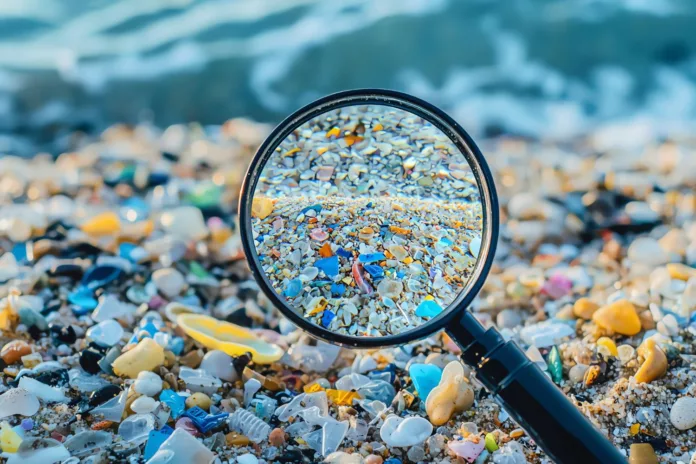
What the Study Reveals About Airborne Microplastics
The study focuses on how airborne microplastics warming planet dynamics may occur through the interaction of plastic particles with sunlight and heat.
Microplastics in the Atmosphere
Microplastics are tiny plastic fragments that come from the breakdown of larger plastic items such as:
- Synthetic clothing fibers
- Rubber tires
- Plastic bottles and packaging
- Plastic bags and industrial waste
These particles have been found in oceans, soil, and even remote regions of the atmosphere. Scientists now confirm they can travel thousands of miles through wind currents.
How They Reach the Sky
Microplastics enter the air through multiple pathways:
- Road dust generated by tire wear
- Ocean spray carrying plastic particles into the atmosphere
- Wind lifting lightweight plastic debris
- Industrial emissions and waste breakdown
Once airborne, they can remain suspended for long periods and spread across continents, making airborne microplastics warming planet research globally relevant.
How Microplastics May Influence Climate Change
The study suggests that microplastics can affect how heat is absorbed and reflected in the atmosphere, contributing slightly to warming trends.
Absorption and Reflection of Heat
Researchers found two key behaviors:
- Dark-colored microplastics absorb heat from sunlight
- Light-colored particles reflect sunlight back into space
However, when combined, the overall effect leans toward warming rather than cooling.
Net Warming Effect Explained
Even though some particles reflect sunlight, the aggregate impact of airborne microplastics warming planet systems results in a small warming contribution.
Scientists emphasize that:
- The effect is minor compared to carbon dioxide
- It is weaker than soot or black carbon
- But it is still measurable in climate models

Climate Impact Compared to Other Pollutants
While the study highlights a warming effect, researchers stress the scale is relatively small.
Comparison With Major Climate Drivers
To put it in perspective:
- Carbon dioxide remains the dominant driver of climate change
- Soot has a significantly stronger warming effect
- Microplastics contribute a much smaller but non-zero impact
Researchers estimate global microplastic emissions have a warming impact comparable to running about 200 coal power plants for a year. While notable, this remains minor in relation to global emissions overall.
Why Small Effects Still Matter
Even small contributions can matter because:
- Climate systems are highly sensitive
- Multiple small warming sources can accumulate
- Unknown factors may complicate predictions
This is why airborne microplastics warming planet research is considered important for refining climate models.
Potential Impact on Climate Models
One of the study’s major implications is that current climate models may be incomplete.
Why Models May Need Updating
Climate models traditionally include:
- Greenhouse gases
- Aerosols like dust and soot
- Ocean and land interactions
However, microplastics are not yet widely included, despite evidence they:
- Interact with sunlight
- Influence cloud formation
- Travel across global atmospheric systems
Cloud Formation and Weather Effects
Previous studies have shown that microplastics can act as nuclei for cloud formation. This means they may:
- Influence rainfall patterns
- Affect cloud brightness
- Slightly alter heat retention in the atmosphere
These interactions strengthen the relevance of airborne microplastics warming planet studies in climate forecasting.
Expert Views and Scientific Caution
While the findings are significant, experts urge caution in interpreting the results.
Scientific Perspective
One researcher not involved in the study noted that while microplastics are clearly present in the atmosphere, more evidence is needed before fully understanding their climate role.
Key points raised include:
- Limited long-term observational data
- Uncertainty in how plastics change over time in the air
- Need for more advanced climate simulations
Why Uncertainty Remains
The study itself acknowledges limitations:
- The warming effect is still being quantified
- Particle behavior may change as plastics age
- Global distribution of microplastics is uneven
This means airborne microplastics warming planet conclusions are still considered early-stage findings.
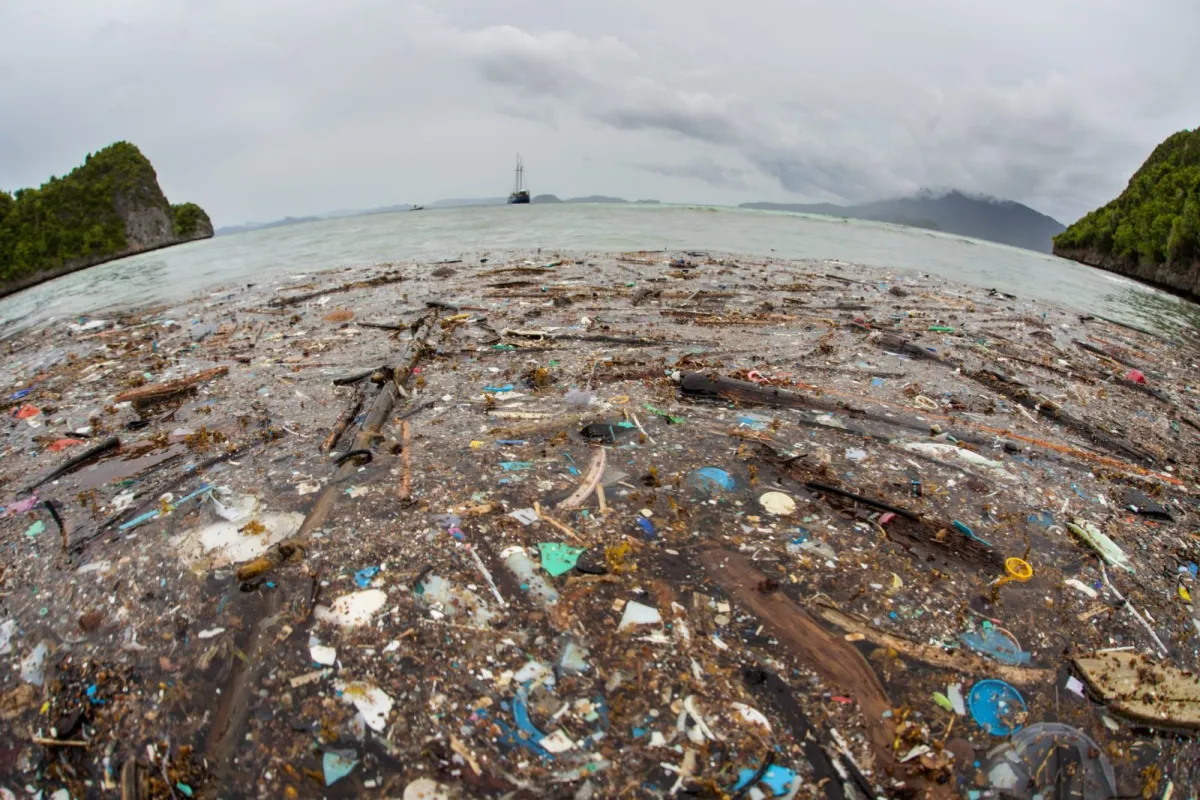
Sources of Airborne Microplastic Pollution
Understanding where airborne microplastics come from helps explain their widespread presence.
Major Contributors
Key sources include:
- Textile fibers released during washing and drying
- Tire wear particles from road traffic
- Plastic packaging degradation
- Industrial manufacturing emissions
Global Distribution
Once released, microplastics can:
- Travel across oceans and continents
- Enter remote ecosystems like mountains and polar regions
- Remain airborne for extended periods
This global spread makes them a persistent environmental concern.
Environmental and Research Implications
The study opens new questions about how human-made materials interact with Earth’s atmosphere.
Key Implications
Researchers suggest:
- Climate models may need refinement
- Plastic pollution should be studied as an atmospheric factor
- Environmental policies may eventually consider airborne plastics
Broader Environmental Concerns
Beyond climate effects, airborne microplastics also raise concerns about:
- Air quality
- Human exposure through inhalation
- Ecosystem contamination
These concerns extend the importance of airborne microplastics warming planet research beyond just temperature effects.
Frequently Asked Questions (FAQ)
What does airborne microplastics warming planet mean?
It refers to the idea that tiny plastic particles in the air may slightly contribute to global warming by affecting how heat is absorbed and reflected.
How do microplastics enter the atmosphere?
They come from sources like tire wear, synthetic fabrics, industrial emissions, and the breakdown of plastic waste.
Are microplastics a major cause of climate change?
No. Their impact is far smaller than carbon dioxide and other greenhouse gases, but they may still play a minor role.
Why are scientists studying airborne microplastics?
Researchers are investigating their potential effects on climate, weather patterns, and environmental health.
Conclusion
The emerging research on airborne microplastics warming planet systems highlights a new and complex dimension of environmental science. While the warming effect is small compared to major greenhouse gases, the presence of microplastics in the atmosphere adds another factor that may need to be included in future climate models. Scientists emphasize that more research is required to fully understand their long-term impact on global temperature and weather patterns
.Click here for more news