 0
0
 0
0
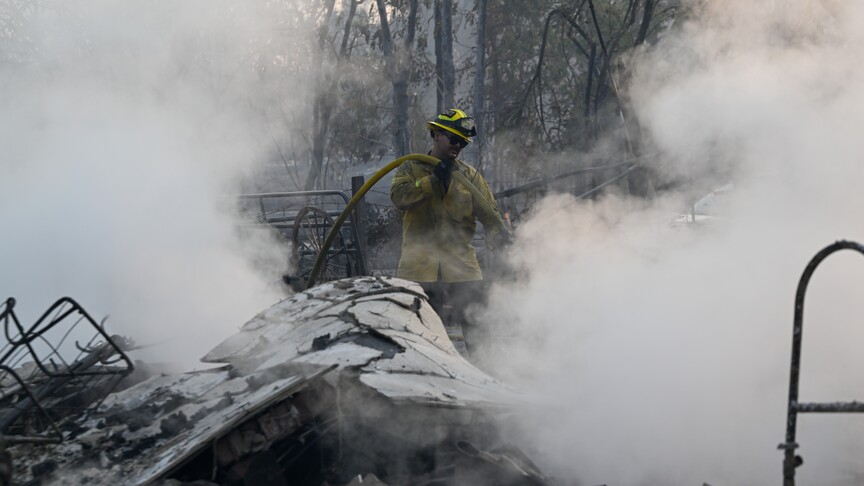
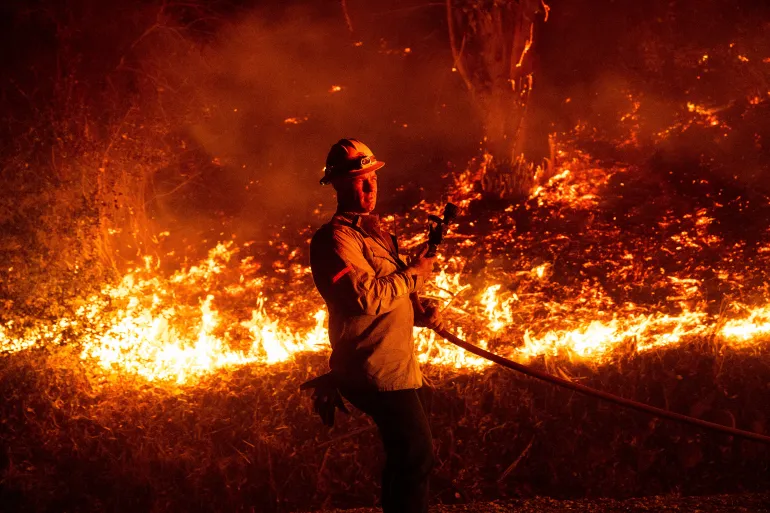
The California Simi Valley wildfire evacuation has triggered large-scale emergency responses after a fast-moving fire burned more than 1,300 acres in Southern California. The wildfire, which ignited in the hills above Simi Valley, has forced thousands of residents to leave their homes as authorities work to contain the spreading flames.
The situation continues to evolve as firefighters battle dry conditions and shifting winds that have intensified the fire’s movement toward nearby communities.
Overview of the California Simi Valley Wildfire Evacuation
The California Simi Valley wildfire evacuation began after the fire broke out on Monday morning in the hills north of Los Angeles County. Authorities identified the blaze as the “Sandy Fire,” which rapidly expanded due to dry vegetation and strong winds.
The fire has already affected:
- More than 1,300 acres of land burned
- Over 10,000 homes under evacuation orders
- An additional 3,500 homes under evacuation warnings
Location and Fire Origin
The fire started in a high-risk wildfire zone above Simi Valley, located approximately 30 miles northwest of Los Angeles.
Key location details include:
- Hills surrounding Simi Valley
- Ventura County wildfire-prone areas
- Proximity to Los Angeles suburban communities
Early Spread of the Fire
Officials reported rapid fire expansion within hours of ignition.
Contributing factors included:
- Dry vegetation
- High temperatures
- Strong winds
- Rugged terrain
These conditions allowed the blaze to move quickly toward residential areas.
Emergency Response to the Wildfire
The California Simi Valley wildfire evacuation prompted immediate action from local and federal agencies.
Firefighting Operations on the Ground
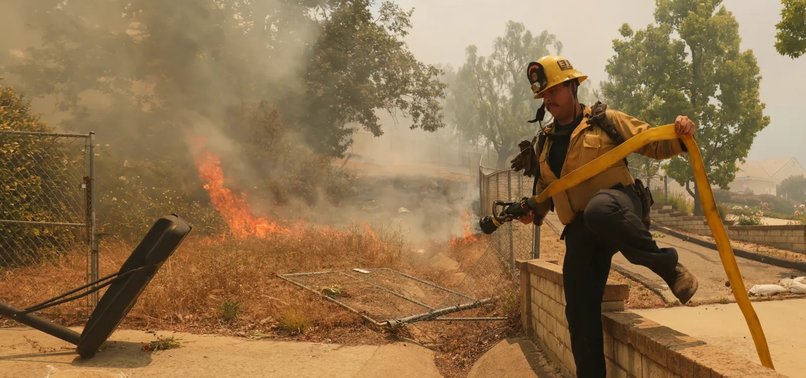
Fire crews from Ventura County and surrounding regions deployed resources including:
- Ground firefighting teams
- Aerial water-dropping aircraft
- Emergency command units
- Evacuation coordination teams
Their primary focus has been to slow the fire’s spread toward populated zones.
Federal Support and Disaster Funding
Authorities confirmed that California secured assistance from the Federal Emergency Management Agency.
This support includes:
- Emergency funding for firefighting efforts
- Resource allocation for containment operations
- Coordination with federal disaster response teams
Evacuation Orders and Community Impact
The California Simi Valley wildfire evacuation has led to widespread displacement across multiple neighborhoods.
Areas Under Mandatory Evacuation
Officials ordered evacuations for:
- Over 10,000 homes in immediate danger zones
- Communities in and around Simi Valley
- High-risk hillside residential areas
Evacuation Warnings Issued
In addition to mandatory evacuations, warnings were issued for approximately 3,500 homes.
Residents in these areas were advised to:
- Prepare emergency bags
- Stay alert for updates
- Be ready to evacuate at short notice
Impact on Daily Life
The wildfire has disrupted normal activities in affected regions:
- Road closures across key routes
- School and business interruptions
- Traffic congestion from evacuation movement
- Emergency shelter activation
Fire Movement and Weather Conditions
Authorities continue to monitor how environmental conditions are influencing the California Simi Valley wildfire evacuation response.
Wind-Driven Spread Toward Communities
Officials reported that the fire was moving southeast due to shifting winds.
Key risks include:
- Faster fire spread in dry conditions
- Difficulty containing perimeter expansion
- Increased threat to suburban neighborhoods
Weather Challenges for Firefighters
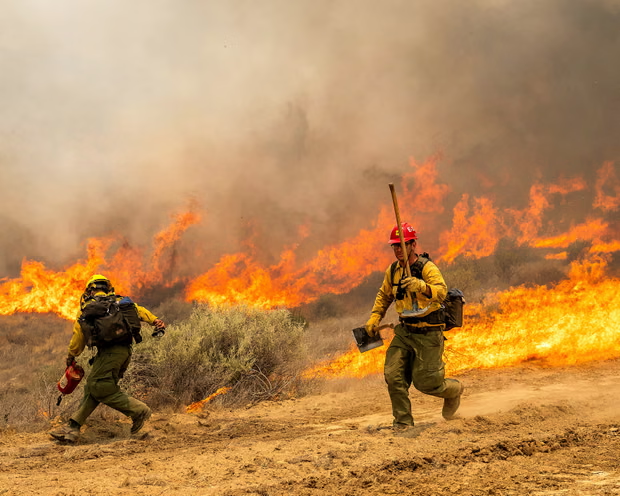
Fire suppression efforts are being complicated by:
- Low humidity levels
- Hot daytime temperatures
- Unpredictable wind changes
These conditions are common in Southern California wildfire seasons.
Expansion of Wildfire Activity in Southern California
The California Simi Valley wildfire evacuation is part of a broader pattern of wildfire incidents across the region.
Simultaneous Fire Activity on Santa Rosa Island
At the same time, another wildfire was reported on Santa Rosa Island, burning more than 14,500 acres.
Impacts included:
- Destruction of structures
- Evacuation of National Park Service personnel
- Ongoing containment efforts
Increasing Regional Fire Risk
Wildfire experts note that Southern California regularly experiences:
- Seasonal dry conditions
- High fire risk zones
- Rapid fire spread in brushland areas
Government and Local Authority Statements
Officials have been actively communicating updates regarding the California Simi Valley wildfire evacuation.
Statements from State Authorities
California state officials confirmed:
- Rapid fire growth in early stages
- Emergency declaration support
- Coordination with federal agencies
Local Government Updates
City officials, including Los Angeles leadership, have stated:
- Some areas remain under precautionary warning
- Fire is not expected to directly reach central Los Angeles
- Evacuation measures are precautionary but necessary
Safety Measures for Residents
Residents in evacuation zones have been urged to follow safety protocols during the California Simi Valley wildfire evacuation.
Recommended Actions for Residents
Authorities advise:
- Leaving evacuation zones immediately if ordered
- Preparing emergency supplies
- Avoiding blocked or fire-affected roads
- Monitoring official emergency alerts
Emergency Shelter and Support Services
Temporary shelters have been activated to support displaced residents, offering:
- Emergency accommodation
- Food and water supplies
- Medical assistance
- Information updates
Broader Climate and Environmental Concerns
The wildfire has renewed attention on broader environmental issues affecting California.
Increasing Frequency of Wildfires
Experts point to:
- Longer dry seasons
- Climate change effects
- Increased vegetation dryness
- Urban expansion into fire-prone zones
Long-Term Risk Considerations
Future wildfire risks may involve:
- More frequent evacuation events
- Higher infrastructure vulnerability
- Increased emergency response demands
FAQ
What caused the California Simi Valley wildfire evacuation?
The wildfire started in dry hillside areas above Simi Valley and spread quickly due to wind and vegetation conditions.
How many homes were affected by evacuation orders?
More than 10,000 homes were placed under evacuation orders, with thousands more under evacuation warnings.
Is the wildfire expected to reach Los Angeles?
Officials stated the fire is not expected to spread into central Los Angeles, though warnings remain in place as a precaution.
How many acres have burned in the wildfire?
The fire has burned more than 1,300 acres so far, with containment efforts still ongoing.
Conclusion
The California Simi Valley wildfire evacuation highlights the growing impact of fast-moving wildfires in Southern California. With thousands of residents displaced and emergency teams actively working to contain the blaze, authorities continue to monitor conditions closely. The situation remains dynamic, with safety efforts focused on protecting communities and limiting further spread.
Click here for more news