0
0
 0
0
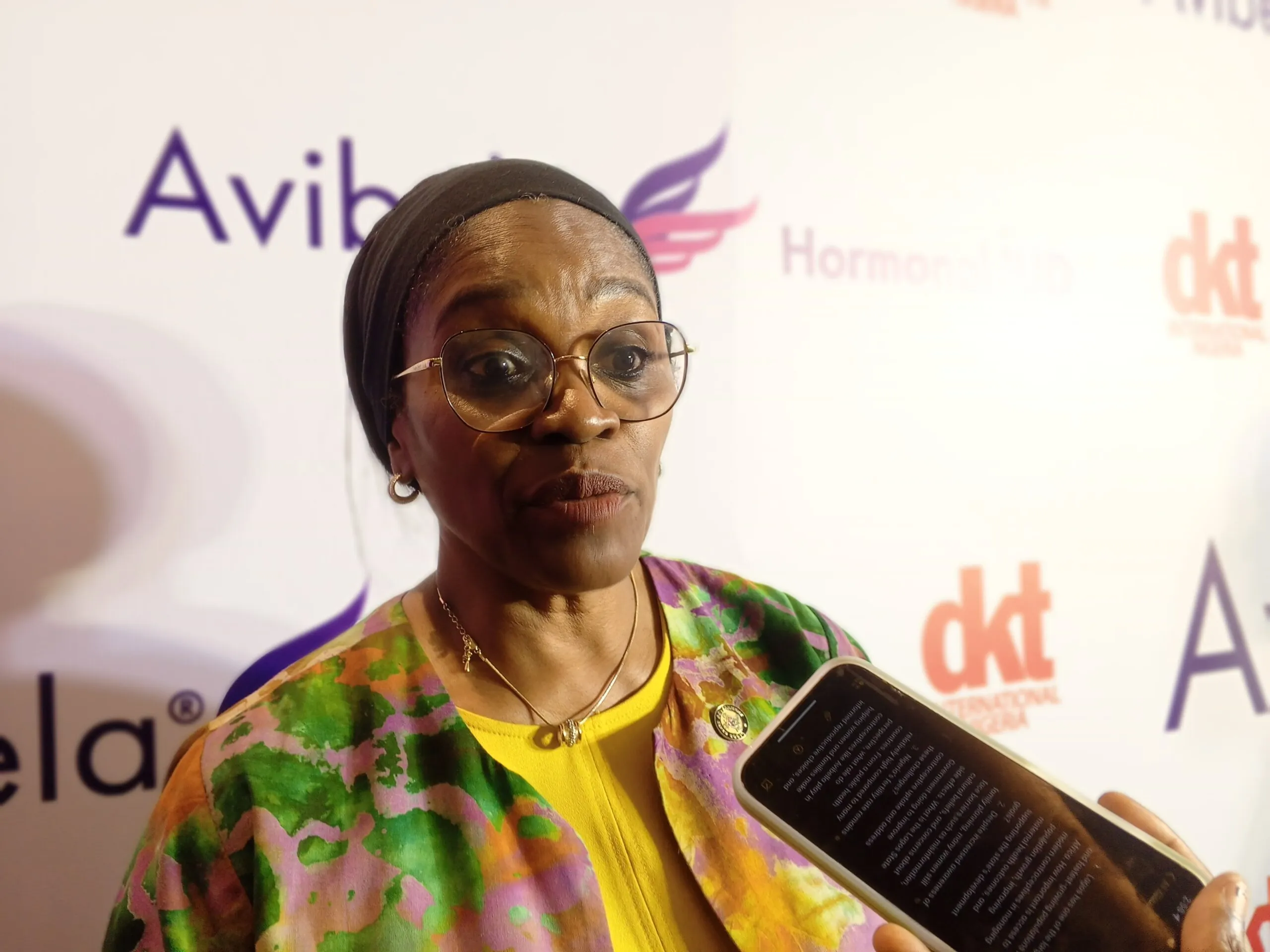
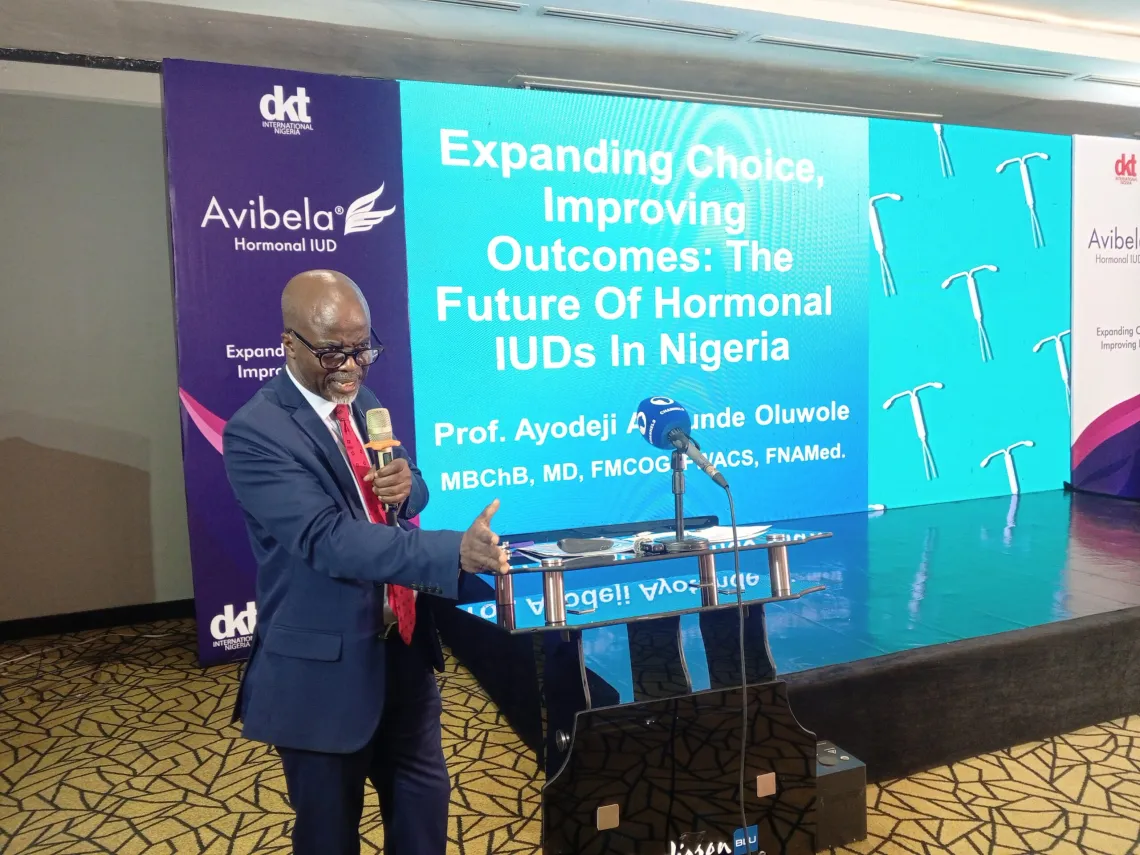
The launch of the Avibela hormonal IUD Nigeria initiative has renewed discussions around reproductive healthcare, family planning access, and maternal health outcomes across the country. Health experts, policymakers, and reproductive health advocates gathered in Lagos to examine the challenges linked to unintended pregnancies while highlighting the potential benefits of a new long-acting contraceptive option.
The introduction of Avibela, a hormonal intrauterine device (IUD), comes at a time when concerns remain high over maternal mortality, unsafe abortions, and limited access to effective family planning services in many parts of Nigeria.
Nigeria’s Reproductive Health Concerns Remain Significant
Nigeria continues to face major reproductive health challenges despite ongoing efforts to improve access to healthcare services.
Experts at the Lagos launch event noted that many women still encounter barriers when seeking reliable contraceptive methods. These barriers often include:
- Limited access to healthcare facilities
- Inadequate reproductive health education
- Cultural and religious misconceptions
- Financial constraints
- Fear of side effects based on misinformation
Healthcare professionals stressed that addressing these issues is critical for reducing unintended pregnancies and improving maternal health outcomes nationwide.
Impact of Unintended Pregnancies
Unintended pregnancies can have significant social, economic, and health consequences for women and families.
Medical experts explained that limited access to family planning services often contributes to increased rates of unsafe abortions and pregnancy-related complications. These challenges place additional pressure on healthcare systems while affecting the wellbeing of women and children.
Maternal Mortality Concerns
Nigeria has continued efforts to reduce maternal mortality through healthcare reforms and expanded reproductive health programs.
According to specialists attending the event, broader access to effective contraceptive methods remains an important strategy in helping women plan pregnancies safely and reduce health risks associated with frequent or unintended pregnancies.
Experts Call for Greater Contraceptive Awareness
One of the key themes discussed during the launch was the need for increased public awareness about contraception.
Healthcare professionals highlighted how misinformation often discourages women from considering family planning options. Common myths surrounding contraceptive use continue to influence decision-making in some communities.
Addressing Common Misconceptions
Medical experts emphasized that many misconceptions about contraceptives are not supported by scientific evidence.
Some of the myths frequently encountered include beliefs that contraceptives:
- Cause permanent infertility
- Harm long-term reproductive health
- Are unsuitable for African women
- Lead to severe health complications in all users
Health professionals argued that accurate information and education campaigns can help individuals make informed decisions based on medical guidance rather than misinformation.
The Role of Community Education
Public education initiatives were identified as a major tool for improving acceptance of modern family planning methods.
Experts noted that awareness campaigns should involve healthcare providers, community leaders, and local organizations to ensure information reaches diverse populations across urban and rural areas.
Understanding the Avibela Hormonal IUD
The Avibela hormonal IUD Nigeria rollout introduces another contraceptive option for women seeking long-term pregnancy prevention.
An intrauterine device is a small medical device inserted into the uterus by a trained healthcare professional. Hormonal IUDs release a controlled amount of hormone that helps prevent pregnancy over an extended period.
Key Features of Avibela
According to information shared during the launch, Avibela offers several potential benefits:
- More than 99 percent effectiveness in preventing pregnancy
- Long-term protection lasting up to eight years
- Reduced need for daily or monthly contraceptive maintenance
- Potential reduction in heavy menstrual bleeding
- Reversible contraception with fertility returning after removal
Healthcare providers noted that women interested in using the device should consult qualified medical professionals to determine whether it is suitable for their individual health needs.
Benefits Beyond Pregnancy Prevention
Experts explained that hormonal IUDs may offer benefits beyond contraception.
Many women experience improvements in heavy menstrual bleeding and menstrual discomfort while using hormonal IUDs. These additional health benefits can contribute to improved quality of life for some users.
Return of Fertility After Removal
Medical professionals at the event also highlighted that fertility typically returns shortly after the device is removed.
This feature makes hormonal IUDs attractive for women who may wish to have children in the future while still seeking long-term contraceptive protection in the present.
Stakeholders Support Expanded Family Planning Options
Several stakeholders attending the launch expressed support for expanding contraceptive choices available to women.
They argued that providing multiple family planning options allows individuals to select methods that align with their health requirements, personal preferences, and reproductive goals.
Government Perspective
Health officials present at the event emphasized that family planning remains an important component of broader public health strategies.
Expanding access to contraceptive methods can contribute to:
- Improved maternal health outcomes
- Better child health indicators
- Increased reproductive autonomy
- Enhanced healthcare planning
Officials noted that informed decision-making should remain central to reproductive healthcare services.
Healthcare Provider Involvement
Medical practitioners also highlighted the importance of provider training as new contraceptive technologies become available.
Proper counseling and clinical support help ensure that women understand available options, benefits, risks, and suitability before choosing a contraceptive method.
Nationwide Rollout Plans for Avibela
The Avibela hormonal IUD Nigeria program is expected to expand beyond Lagos as part of a broader national rollout.
Additional launch activities are scheduled in major cities including Abuja and Port Harcourt. These efforts aim to introduce the product to healthcare providers and increase public awareness across different regions.
Training and Capacity Building
A key part of the rollout strategy involves strengthening healthcare provider knowledge and skills.
Training initiatives are expected to focus on:
- Proper device insertion procedures
- Patient counseling techniques
- Management of side effects
- Follow-up care and support
Experts believe that provider readiness is essential for successful adoption of long-acting reversible contraceptives.
Improving Access Across Nigeria
Stakeholders also discussed plans to improve availability through healthcare facilities and partner institutions.
Expanding access remains a priority, particularly in underserved communities where family planning services may be limited.
Why Long-Acting Reversible Contraceptives Matter
Long-acting reversible contraceptives, often referred to as LARCs, are increasingly recognized as effective tools in reproductive healthcare.
These methods provide extended pregnancy protection without requiring frequent user action, making them suitable for many women seeking convenience and reliability.
Advantages of Long-Acting Contraception
Benefits commonly associated with LARCs include:
- High effectiveness rates
- Long duration of protection
- Reduced risk of user error
- Reversible fertility after discontinuation
- Minimal maintenance requirements
Healthcare experts noted that expanding access to such options can help strengthen family planning programs and improve reproductive health outcomes.
Alignment With Global Recommendations
Health specialists stated that increasing contraceptive choices aligns with broader international recommendations promoting access to comprehensive reproductive healthcare.
Providing diverse family planning methods allows healthcare systems to better meet the needs of different populations while supporting informed reproductive choices.
The Importance of Informed Reproductive Choices
The introduction of the Avibela hormonal IUD Nigeria option highlights ongoing efforts to strengthen reproductive healthcare access across the country.
Experts agree that access alone is not enough. Education, healthcare provider support, public awareness, and informed decision-making remain essential components of successful family planning programs.
As new contraceptive technologies become available, stakeholders continue to emphasize the importance of ensuring women have access to accurate information and a range of safe healthcare options.

FAQ
What is the Avibela hormonal IUD in Nigeria?
Avibela is a hormonal intrauterine device introduced in Nigeria as a long-acting contraceptive option that can provide pregnancy protection for up to eight years while also helping reduce heavy menstrual bleeding.
How effective is the Avibela hormonal IUD for preventing pregnancy?
Health experts stated that the device provides more than 99 percent protection against pregnancy when properly inserted and used under medical supervision.
Can fertility return after removing the Avibela hormonal IUD?
Yes. Medical professionals indicated that fertility generally returns shortly after the device is removed, making it a reversible contraceptive method.
Why is family planning important for maternal health in Nigeria?
Family planning can help reduce unintended pregnancies, lower the risk of unsafe abortions, improve maternal health outcomes, and support informed reproductive decision-making.
Nigeria’s reproductive healthcare sector continues to evolve as stakeholders seek solutions to challenges associated with unintended pregnancies and maternal health risks. The introduction of Avibela adds another option to the country’s family planning landscape, while ongoing education, access improvements, and healthcare support remain critical to achieving better reproductive health outcomes nationwide.
Click here for more news