 0
0
 0
0
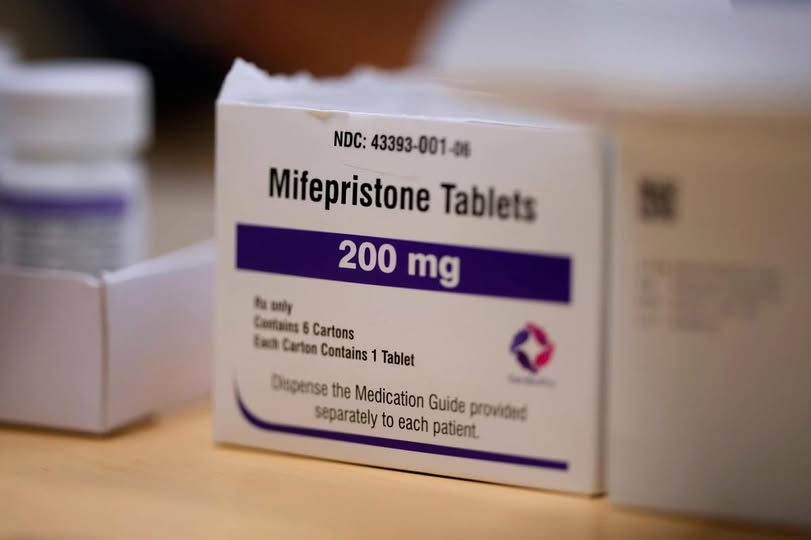
The abortion pill mifepristone mail ruling has become a central legal battle in the United States, following a temporary decision by Justice Samuel Alito that reinstates a Food and Drug Administration (FDA) rule allowing the abortion pill mifepristone to be prescribed through telehealth and delivered by mail.
The ruling does not end the dispute but pauses lower court restrictions, ensuring that current access rules remain in place while the Supreme Court considers further action. The case reflects ongoing tensions between federal regulatory authority, state abortion laws, and access to reproductive healthcare.
Justice Alito’s Temporary Decision and Its Impact
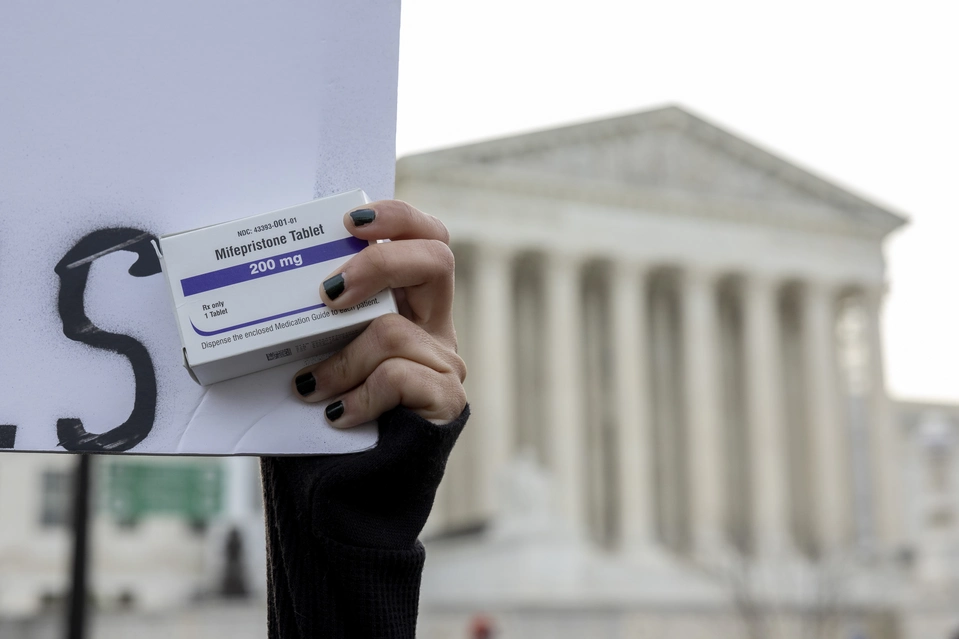
The latest development in the abortion pill mifepristone mail ruling came when Justice Samuel Alito issued an administrative stay blocking a lower court decision that had restricted access to the drug by mail.
What the temporary stay means
The Supreme Court action ensures:
- The FDA’s current telehealth and mail delivery rule remains active temporarily
- The Fifth Circuit Court of Appeals decision is paused
- Access to mifepristone continues under existing conditions
- The legal status remains unchanged until at least May 11
This is not a final ruling but a procedural move that preserves the status quo while the Court reviews emergency requests.
Companies involved in the case
Two pharmaceutical manufacturers are directly involved:
- Danco Laboratories, the brand-name manufacturer of mifepristone
- GenBioPro, the producer of a generic version of the drug
Both companies argue that restricting access could cause widespread disruption in reproductive healthcare services.
The abortion pill mifepristone mail ruling is therefore not only a legal issue but also a healthcare access dispute affecting patients and providers nationwide.
FDA Telehealth and Mail Delivery Regulations
The abortion pill mifepristone mail ruling is closely tied to changes in FDA regulations over the past decade, especially those expanded during and after the COVID-19 pandemic.
Evolution of mifepristone access rules
Key regulatory milestones include:
- 2000: FDA first approves mifepristone for medical abortion
- 2016: Expanded eligibility and allowed later use in pregnancy
- COVID-19 pandemic: Temporary suspension of in-person dispensing rules
- 2023: Formal approval of telehealth prescriptions and mail delivery
These changes significantly increased access, especially for patients in rural or underserved regions.
Why mail delivery matters
Mail-based access allows patients to:
- Consult healthcare providers remotely
- Receive prescriptions without in-person visits
- Access time-sensitive treatment more quickly
- Reduce travel and logistical barriers
The abortion pill mifepristone mail ruling directly affects whether these access options remain available nationwide.

Fifth Circuit Court Decision and Louisiana Challenge
The dispute escalated after the U.S. Court of Appeals for the Fifth Circuit temporarily blocked the FDA’s 2023 rule allowing mail delivery of mifepristone.
Louisiana’s legal position
Louisiana challenged the FDA rule on several grounds:
- The state claims financial strain on its Medicaid system
- It argues the rule undermines state abortion restrictions
- It cites emergency medical care costs linked to complications
The court accepted Louisiana’s standing based on these arguments, which intensified the abortion pill mifepristone mail ruling debate.
Court reasoning behind the block
The Fifth Circuit ruled that the FDA rule:
- Conflicts with Louisiana’s abortion laws
- Increases Medicaid-related healthcare spending
- Expands abortion access across state lines
The court also emphasized that every abortion facilitated by the rule undermines state-level restrictions.
Louisiana abortion laws context
Following the overturning of Roe v. Wade in 2022, Louisiana enacted strict abortion laws, including:
- A near-total abortion ban with limited exceptions
- Criminal penalties for unauthorized possession of abortion medication
- Classification of mifepristone and misoprostol as controlled substances
These laws form the legal backdrop for the abortion pill mifepristone mail ruling conflict.
Arguments from Drug Manufacturers
Pharmaceutical companies have strongly opposed the restrictions introduced by the Fifth Circuit decision.
Concerns raised by Danco Laboratories
Danco argues that the ruling creates immediate disruption:
- Patients with scheduled appointments may face cancellations
- Providers cannot complete treatment plans already in progress
- Sudden legal changes create confusion in healthcare delivery
These concerns are central to the abortion pill mifepristone mail ruling emergency appeal.
GenBioPro’s position
GenBioPro also warned that the decision could:
- Disrupt nationwide access to reproductive healthcare
- Delay treatment for patients in legal abortion states
- Create uncertainty for clinicians and pharmacies
The company emphasized that patients in rural areas are especially vulnerable due to limited healthcare access.

Broader Legal and Political Context
The abortion pill mifepristone mail ruling is part of a larger national debate following the 2022 Supreme Court decision that overturned Roe v. Wade.
Shift in abortion regulation authority
Since that decision:
- States now control abortion laws
- Federal regulations face increased legal challenges
- Medication abortion has become a key legal battleground
This shift has placed mifepristone at the center of national legal disputes.
Previous Supreme Court involvement
In a 2024 case, the Supreme Court rejected a challenge to mifepristone access on procedural grounds, ruling that the plaintiffs lacked legal standing. However, that ruling did not address the broader regulatory issues now being reconsidered.
The current abortion pill mifepristone mail ruling represents a deeper legal challenge with potentially wider consequences.
What Happens Next in the Case
The Supreme Court’s temporary intervention allows time for further legal arguments and possible full review.
Upcoming steps in the legal process
- Louisiana will respond to emergency appeals
- The Supreme Court will decide whether to hear the full case
- The administrative stay may be extended or lifted
- Lower courts may resume proceedings depending on Supreme Court action
The abortion pill mifepristone mail ruling remains unresolved at this stage.
Possible outcomes
The final decision could lead to:
- Continued nationwide telehealth and mail access
- Partial restrictions reinstated in certain states
- A full Supreme Court ruling redefining access standards
Each outcome would significantly affect reproductive healthcare access across the country.
FAQ
What is the abortion pill mifepristone mail ruling about?
It refers to legal decisions regarding whether mifepristone can be prescribed via telehealth and delivered by mail in the United States.
Does Justice Alito’s decision permanently allow mail access?
No, the ruling is temporary and only preserves the current FDA rule while the case is under review.
Why is mifepristone access being challenged?
Some states argue that the FDA rule conflicts with state abortion laws and increases healthcare costs.
What could happen after the Supreme Court review?
The Court may either uphold current access rules, impose restrictions, or issue a new nationwide standard.
Conclusion
The abortion pill mifepristone mail ruling continues to shape one of the most significant healthcare and legal debates in the United States. Justice Alito’s temporary stay ensures that existing FDA rules remain active for now, but the final outcome remains uncertain. The Supreme Court’s future decision will determine whether telehealth and mail access to mifepristone continues or faces new restrictions, making this case a defining moment in reproductive healthcare regulation.
PLEASE CLICK HERE FOR MORE NEWS