0
0
 0
0
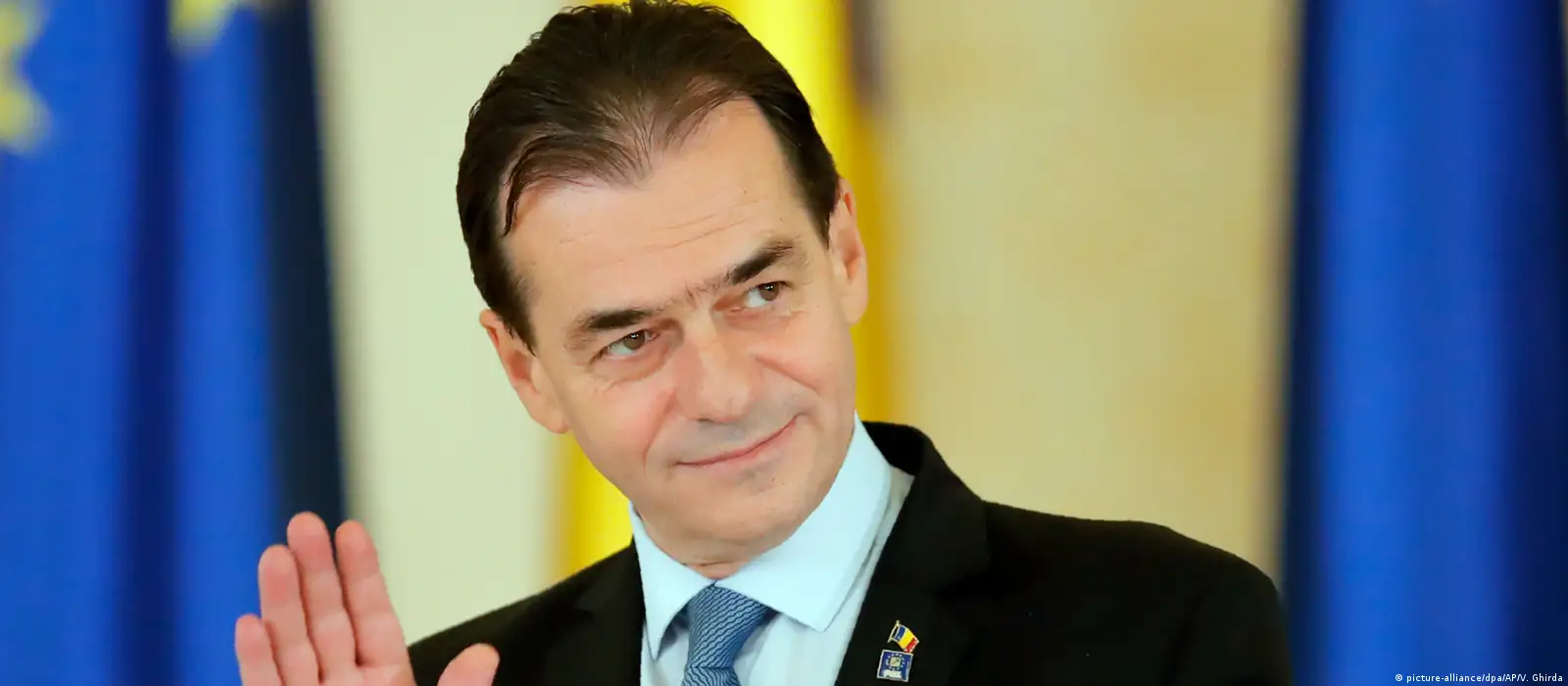
The Romania government collapse vote has triggered a major political shift in Bucharest after lawmakers voted to remove the pro-European administration of Prime Minister Ilie Bolojan. The development raises concerns about economic stability, access to European Union funding, and the country’s fiscal direction.
According to reports, the Romania government collapse vote marks one of the most significant political disruptions in recent years, as the country now faces uncertainty over its leadership structure and reform agenda.
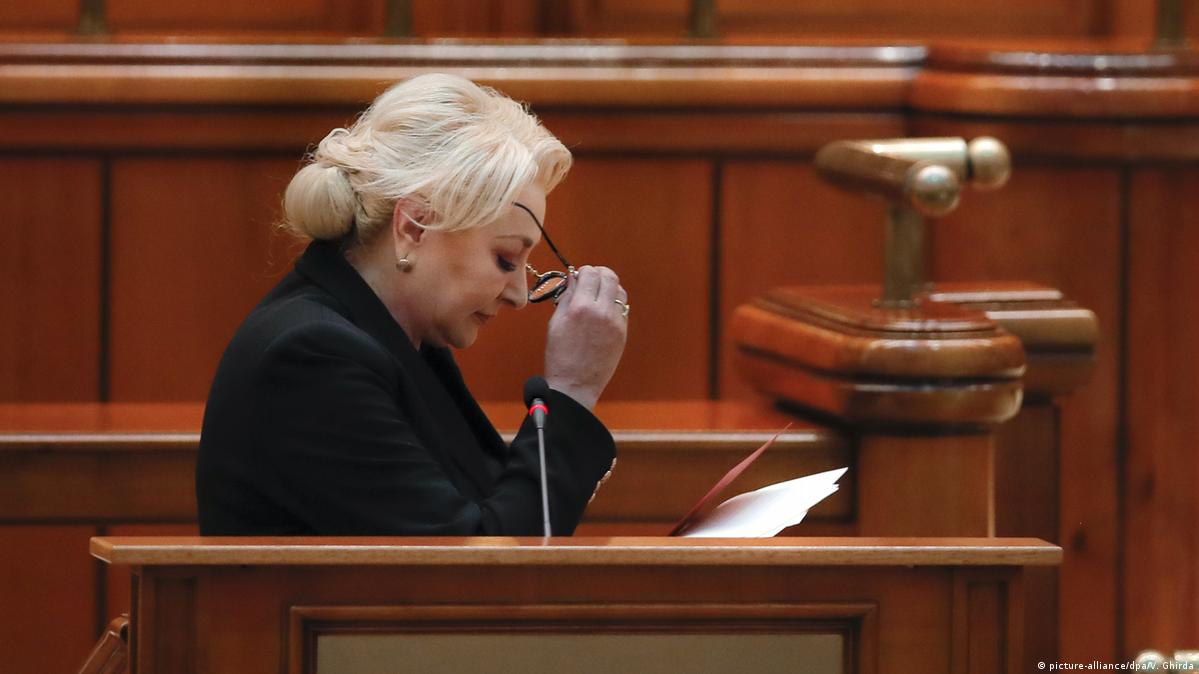
No-Confidence Vote Topples Government
Romanian lawmakers voted to remove the current administration led by Prime Minister Ilie Bolojan following months of political tension within the governing coalition.
The Romania government collapse vote was reportedly supported by opposition forces and former coalition partners, signaling a breakdown in political cooperation.
Breakdown of Political Support
The government had been operating as a minority administration after key coalition changes. The situation escalated when:
- The Social Democrats withdrew support from the coalition
- Opposition parties aligned with them to initiate the vote
- Parliamentary stability weakened significantly
Key Political Impact
- Government officially removed through parliamentary vote
- Interim leadership expected until new coalition is formed
- Political uncertainty increases ahead of economic deadlines
Role of Coalition Crisis in Government Collapse
The Romania government collapse vote followed months of internal disputes within the ruling coalition. The government had initially been formed to stabilize political tensions and counter rising far-right influence.
Coalition Breakdown Factors
- Disagreements over austerity policies
- Political friction between major parties
- Declining public support for economic reforms
The Social Democrats reportedly opposed several austerity measures, arguing they negatively impacted their voter base.
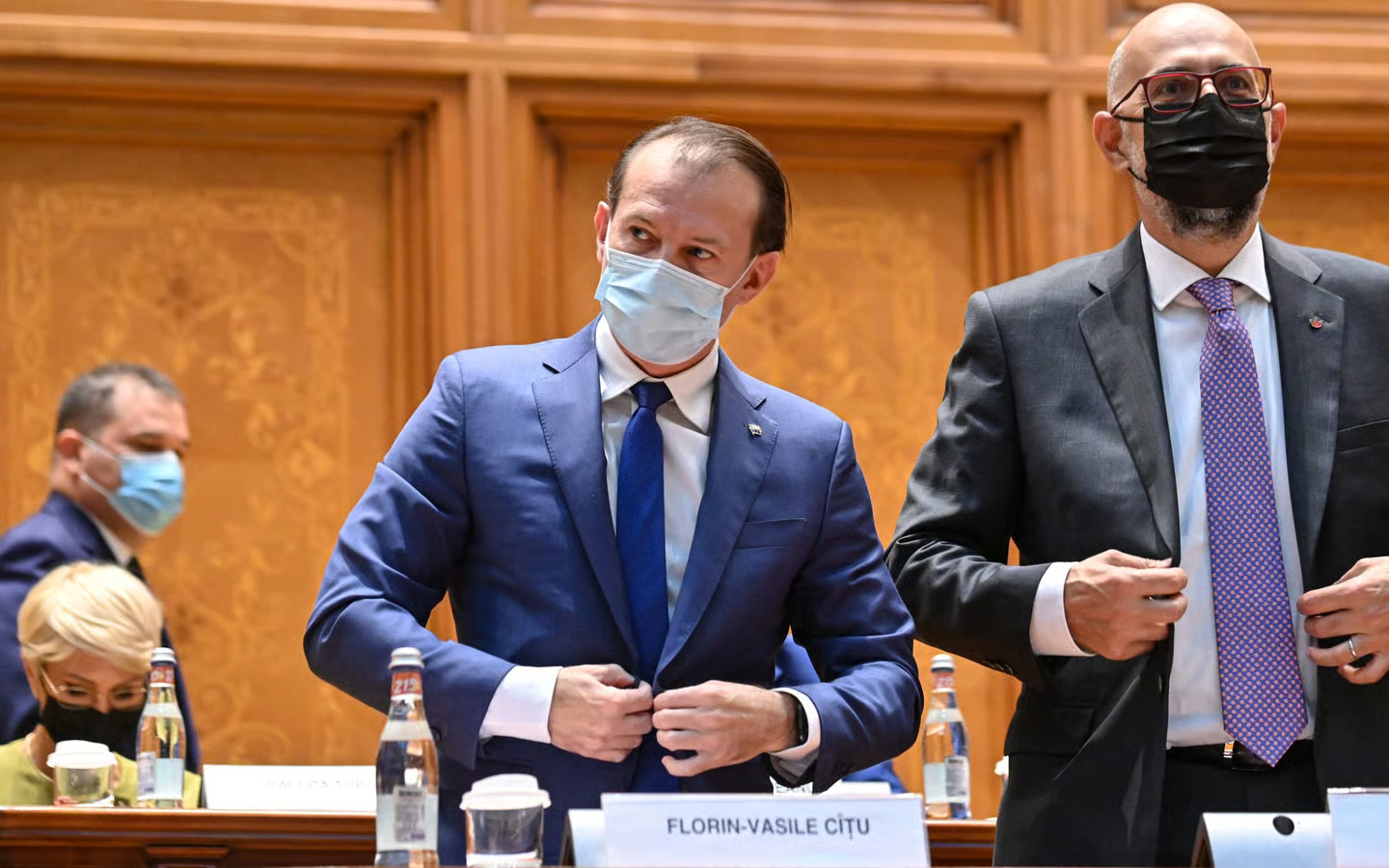
Shift in Political Alliances
- Former coalition members joined opposition forces
- Far-right political groups gained influence in parliamentary dynamics
- Government stability weakened progressively
Economic Concerns and EU Relations
The Romania government collapse vote has raised concerns about the country’s economic stability and relationship with the European Union.
Romania has been working to reduce its budget deficit, which remains one of the highest in the EU.
Fiscal Challenges
- Budget deficit reduction target: from over 9% in 2024 to around 6.2% in 2026
- Need for continued austerity measures
- Pressure to maintain investor confidence
Risk to EU Funding
Romania risks delays or disruptions in accessing approximately €10 billion in EU recovery funds if reforms are not implemented on time.
These funds are tied to strict conditions under the EU recovery framework.
Impact on EU Recovery and Investment Programs
The Romania government collapse vote also raises concerns about the country’s ability to meet EU funding requirements before critical deadlines.
EU Recovery Fund Pressure
The country must complete reforms to access funds from the European Union recovery program, which supports economic modernization and infrastructure development.
Key Requirements
- Implementation of fiscal reforms
- Reduction of budget deficit
- Compliance with EU economic standards
Failure to meet these conditions could result in financial setbacks or delayed funding disbursement.
Currency and Financial Market Reactions
Ahead of the Romania government collapse vote, financial markets showed signs of instability.
Currency Movement
- The Romanian leu fell to record lows against the euro
- Investors reacted to political uncertainty
- Concerns increased over fiscal direction
Investor Confidence
- Market volatility increased
- Concerns over sovereign debt ratings
- Uncertainty regarding policy continuity
Future Government Formation Scenarios
Following the Romania government collapse vote, discussions are expected to begin on forming a new government.
Possible Political Outcomes
- Formation of a new pro-European coalition
- Appointment of a technocratic interim government
- Early negotiations among major parties
The country’s president, Nicusor Dan, is expected to play a central role in consultations to establish a new governing structure.
Political Stability Efforts
- Attempts to rebuild coalition cooperation
- Possibility of leadership change within ruling parties
- Efforts to restore parliamentary majority
Interim Leadership and Transition
Until a new government is formed, Romania will be led by an interim administration.
Interim Government Role
- Maintain basic governance functions
- Oversee ongoing fiscal policies
- Ensure continuity of state operations
The interim leadership is expected to have limited powers until a new cabinet is approved by parliament.
Broader Political Implications
The Romania government collapse vote highlights broader challenges in European political stability, particularly in countries managing fiscal reform and EU integration pressures.
Key Concerns
- Rising political fragmentation
- Influence of opposition and far-right movements
- Difficulty in maintaining stable coalitions
Economic Reform Challenges
- Balancing austerity with public support
- Maintaining EU compliance
- Managing social and political pressures
FAQ
What caused the Romania government collapse vote?
The government collapsed after lawmakers passed a no-confidence vote following coalition breakdowns and political disagreements.
Who was leading Romania before the government fell?
The government was led by Prime Minister Ilie Bolojan.
Will Romania hold new elections after the collapse?
A snap election is considered unlikely, and political parties are expected to attempt forming a new coalition government.
How does this affect Romania’s EU funds?
Political instability may delay reforms required to access EU recovery funds worth around €10 billion.
Conclusion
The Romania government collapse vote marks a significant moment in the country’s political and economic landscape. With the government removed and coalition talks expected to begin, Romania now faces uncertainty over fiscal reforms, EU funding access, and future leadership direction. The coming weeks will be critical in determining whether a stable governing structure can be restored.
Click here for more news