The twin star planets discovery has revealed that astronomers may have identified 27 potential planets orbiting pairs of stars using an innovative detection method. Instead of relying on traditional observation techniques, researchers used subtle gravitational effects to detect hidden planetary candidates in binary star systems.
This twin star planets discovery suggests that many more planets may exist in systems previously difficult to study, expanding current understanding of how planets form and behave around multiple stars.
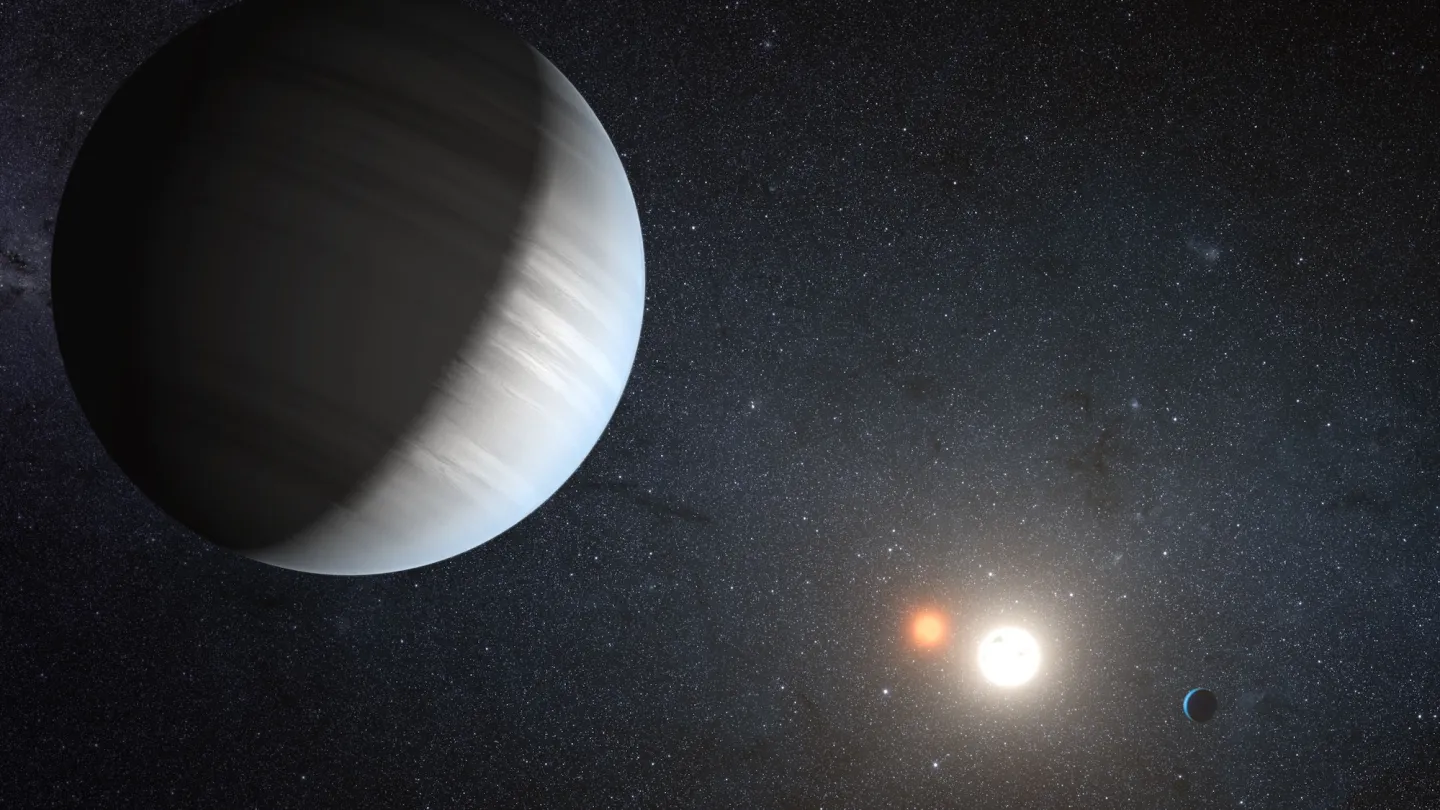
New Method Reveals Hidden Planet Candidates
The twin star planets discovery was made possible using a technique that detects small changes in stellar motion rather than direct visual confirmation.
Researchers focused on binary star systems where two stars orbit each other and studied how their movements were affected by possible nearby planets.
Key Detection Approach
Astronomers used:
- Gravitational wobble analysis
- Timing shifts in stellar eclipses
- Removal of non-planetary interference signals
This allowed scientists to isolate unusual movements that may indicate the presence of planets.
Why This Method Matters
Traditional planet detection often depends on a planet passing in front of a star. However, this approach has limitations:
- Only works when orbital alignment is perfect
- Misses many planets in binary systems
- Reduces detection accuracy in complex star systems
The twin star planets discovery method helps overcome these limitations.
27 Planet Candidates Identified
The study identified 27 possible planetary candidates that may be orbiting twin star systems.
Key Findings
- 27 candidate planets detected
- Some may be smaller than Jupiter
- Requires further confirmation through follow-up studies
Researchers emphasized that these are not confirmed planets yet, but strong candidates based on gravitational data.
Importance of the Findings
This twin star planets discovery expands the potential number of known planets in binary systems, suggesting that many more remain undetected.
How Binary Star Systems Complicate Planet Detection
Binary star systems are made up of two stars orbiting each other, making them more complex than single-star systems like our solar system.
Challenges in Studying Twin Stars
- Overlapping light signals
- Complex gravitational interactions
- Difficulty in tracking orbital changes
These factors make planet detection significantly more difficult using traditional methods.
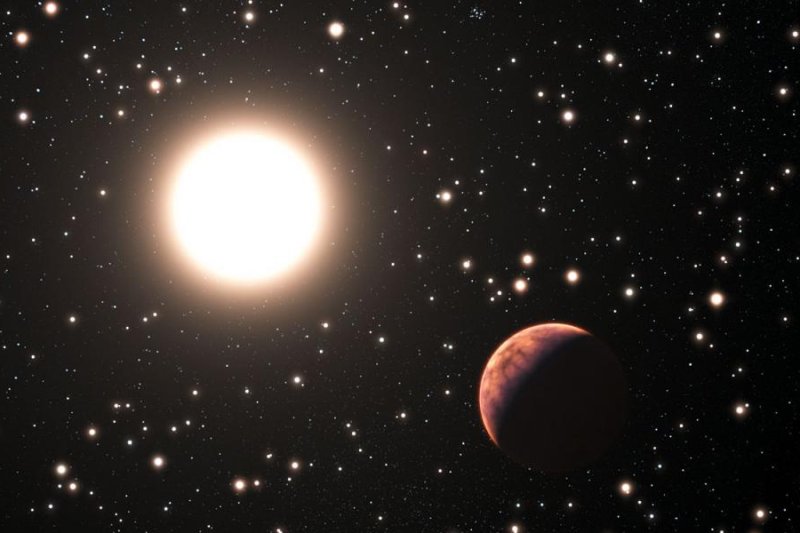
Why Planets May Be Hidden
Because of these challenges, many planets may remain undetected in such systems. The twin star planets discovery suggests that previous estimates of planetary abundance could be too low.
Scientific Technique Behind the Discovery
The research was led by scientists from the University of New South Wales, including Margo Thornton and Benjamin T. Montet.
Gravitational Wobble Method
The technique works by observing:
- Tiny shifts in star timing patterns
- Variations in orbital movement
- Unexplained gravitational influences
These subtle changes may indicate the presence of orbiting planets affecting the stars’ motion.
What Makes These Planet Candidates Unique
The twin star planets discovery is significant because it focuses on systems previously considered difficult to analyze.
Key Characteristics
- Planets orbiting two stars instead of one
- Detected indirectly through motion analysis
- Includes potential gas giants and smaller bodies

Confirmation Still Needed
All 27 candidates require additional observation to confirm:
- Whether they are true planets
- Their exact masses
- Their orbital stability
Implications for Space Science
If confirmed, the twin star planets discovery could reshape understanding of planetary formation.
Scientific Impact
- Expands known locations of planet formation
- Improves detection methods for hidden systems
- Suggests higher number of planets in the galaxy
Future Research Directions
Scientists plan to:
- Conduct follow-up telescope observations
- Use improved gravitational modeling
- Compare findings with other binary systems
Broader Understanding of Planet Formation
This discovery adds to growing evidence that planets can form in a wide variety of environments, including complex star systems.
Key Takeaways
- Planet formation is more diverse than previously thought
- Binary star systems may host many hidden planets
- New detection methods are essential for deeper exploration
The twin star planets discovery highlights the evolving nature of astronomical research.
FAQ
What is the twin star planets discovery about?
It refers to the identification of 27 possible planets orbiting binary star systems using gravitational detection methods.
How were the planets detected?
Researchers used stellar wobble analysis and timing shifts in eclipsing stars to identify potential planetary influences.
Are these planets confirmed?
No, they are currently candidates and require further observation for confirmation.
Why is this discovery important?
It suggests that many planets in binary star systems may have been previously undetected.
Conclusion
The twin star planets discovery marks an important step in understanding how planets exist in complex star systems. While the 27 identified candidates are not yet confirmed, the findings open new possibilities for studying hidden worlds across the universe. Continued research will determine whether these signals truly represent planets orbiting twin stars.
Click here for more news



 0
0
 0
0