 0
0
 0
0
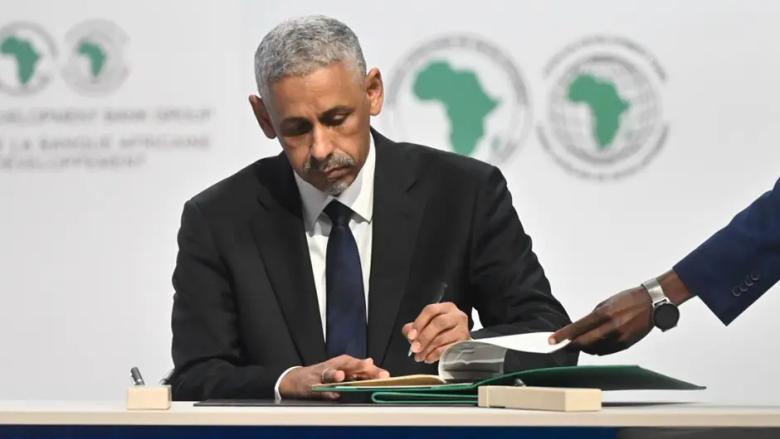
Africa development financing gap remains one of the continent’s biggest economic challenges, according to the President of the African Development Bank (AfDB), Sidi Ould Tah. Speaking at the conclusion of the 2026 AfDB Annual Meetings in Brazzaville, Republic of Congo, Tah called for stronger efforts to mobilize Africa’s estimated $4 trillion in domestic savings to support infrastructure, industrialization, and long-term economic growth.
The remarks come as African governments continue to seek sustainable funding sources to accelerate development while reducing dependence on foreign financing and external borrowing.
Africa development financing gap reaches hundreds of billions annually
Despite significant economic potential, Africa continues to face a substantial shortage of development funding.
Continent faces major funding shortfall
According to the AfDB president, Africa experiences an annual development financing gap estimated at around $400 billion.
This shortfall affects critical sectors such as:
• Infrastructure development
• Energy and electricity projects
• Transportation networks
• Industrial expansion
• Healthcare and education systems
Tah described the situation as one of Africa’s greatest economic contradictions.
Vast savings remain underutilized
While financing shortages persist, Africa reportedly holds approximately $4 trillion in domestic savings.
These resources are largely held by:
• Pension funds
• Insurance companies
• Sovereign investment vehicles
• Institutional investors
• Private financial institutions
Many of these funds are not currently directed toward development projects across the continent.
Africa development financing gap persists despite strong economic potential
Africa possesses significant natural and human resources that could support accelerated growth if adequately financed.
Africa holds strategic global resources
Tah highlighted the continent’s importance in the global economy.
Key statistics include:
• About 18% of the world’s population lives in Africa
• More than 30% of global mineral resources are located on the continent
• Africa has one of the world’s youngest populations
• The continent possesses vast agricultural potential
Despite these advantages, Africa’s share of global economic output remains relatively low.
Economic transformation remains a priority
The AfDB president stressed that sustainable development requires moving beyond the export of raw materials.
He argued that greater investment is needed to support:
• Local manufacturing
• Value-added industries
• Technology development
• Processing of natural resources
• Regional trade expansion
Africa development financing gap linked to investment concerns
One reason large pools of African capital remain untapped is investor caution.
Institutional investors prioritize risk management
Pension funds and other institutional investors are responsible for safeguarding contributors’ assets.
As a result, many investors remain hesitant to commit funds to projects perceived as high-risk.
Factors influencing investment decisions include:
• Political uncertainty
• Currency fluctuations
• Regulatory challenges
• Market volatility
• Project execution risks
Regulatory barriers continue to affect investment
Tah noted that existing regulatory frameworks in some jurisdictions can limit investment flexibility.
These restrictions often make it difficult for institutional investors to allocate significant portions of their portfolios to long-term development projects.
AfDB promotes solutions to Africa development financing gap
The African Development Bank is working on several initiatives aimed at encouraging investment in African economies.
Risk mitigation tools designed to attract capital
According to Tah, the bank is developing instruments that can reduce investment risks and improve investor confidence.
These measures are intended to:
• Encourage long-term investment
• Improve project bankability
• Reduce perceived financial risks
• Mobilize institutional capital
African Trade and Development Fund plays key role
One of the mechanisms highlighted during the meetings was the African Trade and Development Fund (ATDF).
The fund aims to:
• Support strategic development projects
• Enhance investment security
• Attract private sector participation
• Mobilize additional capital flows
The AfDB recently increased its participation in the fund to strengthen confidence among potential investors.
Africa development financing gap and economic sovereignty
Tah emphasized that mobilizing domestic capital is essential for Africa’s long-term economic independence.
Reducing dependence on external financing
African countries have historically relied on:
• Foreign direct investment
• Development assistance
• International loans
• Multilateral financing institutions
While external funding remains important, domestic investment can provide greater financial resilience.
Building African-led growth strategies
The AfDB president argued that economic sovereignty requires stronger internal financing mechanisms.
Benefits of domestic investment include:
• Greater control over development priorities
• Reduced exposure to external shocks
• Increased economic stability
• Enhanced regional integration
AfDB approves new roadmap for development financing
The 2026 Annual Meetings also produced strategic decisions aimed at strengthening Africa’s financial future.
New priorities adopted by the bank
The AfDB Board approved a roadmap focused on implementing key strategic priorities.
Areas of focus include:
• Infrastructure development
• Financial sector strengthening
• Economic transformation
• Regional integration
• Sustainable growth initiatives
African Financial Architecture receives support
The meetings also endorsed elements of a new African Financial Architecture designed to improve financing systems across the continent.
The initiative seeks to:
• Increase capital mobilization
• Improve financial coordination
• Strengthen development financing institutions
• Support long-term economic growth
FAQ
What is Africa development financing gap?
Africa development financing gap refers to the estimated annual shortfall between the funding required for development projects and the financing currently available across the continent.
How much domestic savings does Africa have?
According to the African Development Bank, Africa holds approximately $4 trillion in domestic savings that could potentially be invested in development initiatives.
Why are investors cautious about African projects?
Investors often cite concerns related to risk, regulatory barriers, market volatility, and the need to protect contributors’ funds.
What is the African Trade and Development Fund?
The African Trade and Development Fund is a financing mechanism designed to reduce investment risks and attract institutional capital to African development projects.
Conclusion
The Africa development financing gap remains a major obstacle to the continent’s growth ambitions. However, with an estimated $4 trillion in domestic savings available, African leaders and financial institutions see a significant opportunity to unlock capital for infrastructure, industrialization, and economic transformation. As the AfDB advances new financing strategies and risk-reduction tools, the focus is increasingly shifting toward African-led solutions capable of driving sustainable development and strengthening economic sovereignty.
PLEASE CLICK HERE FOR MORE NEWS