0
0
 0
0
Nipah Virus Outbreak in India
India is dealing with a Nipah virus outbreak in West Bengal. Five confirmed cases led to quarantines and hospital care in Kolkata. In addition, doctors, nurses, and close contacts were placed under monitoring.
Meanwhile, airports in Thailand and Nepal began screening travelers from India to reduce the risk of spread. India’s health ministry reported that 196 contacts tested negative.
What is Nipah Virus?
Nipah virus can spread from animals to humans, mainly through fruit bats. It can also spread through contaminated food. In addition, close contact with an infected person can trigger human-to-human transmission.
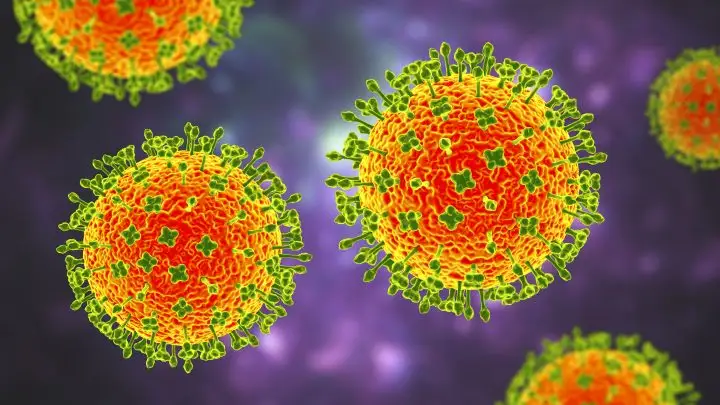
According to the World Health Organization, infections can range from mild illness to severe disease, including brain inflammation.
Symptoms and Incubation
Early symptoms include fever, headache, sore throat, vomiting, and muscle pain. Later, patients may develop breathing problems or pneumonia. Severe cases can cause dizziness, seizures, or coma.
The incubation period usually ranges from four to 14 days. However, in some cases symptoms may take up to 45 days to appear.
How Deadly is Nipah Virus?
Nipah virus has a high death rate of 45% to 75%. There is no approved treatment or vaccine. Therefore, supportive medical care remains the main option.
In 2025, a phase two vaccine trial began at the University of Oxford, offering new hope for prevention in the future.
Long-Term Health Impact
Most survivors recover fully. However, about 20% of patients may experience long-term neurological problems, including seizures or personality changes. Some may also relapse or develop delayed symptoms.
Where Has Nipah Appeared Before?
Nipah virus was first identified during a 1999 outbreak in Malaysia. Since then, outbreaks have been reported in Bangladesh, Singapore, and northeastern India.

However, no cases have been detected in Canada or the United States.
Key Points
-
Nipah outbreak confirmed in West Bengal
-
Airports in Asia begin travel screenings
-
Virus spreads from bats, food, and close contact
-
High death rate and no current treatment
-
Long-term neurological effects possible