 0
0
 0
0
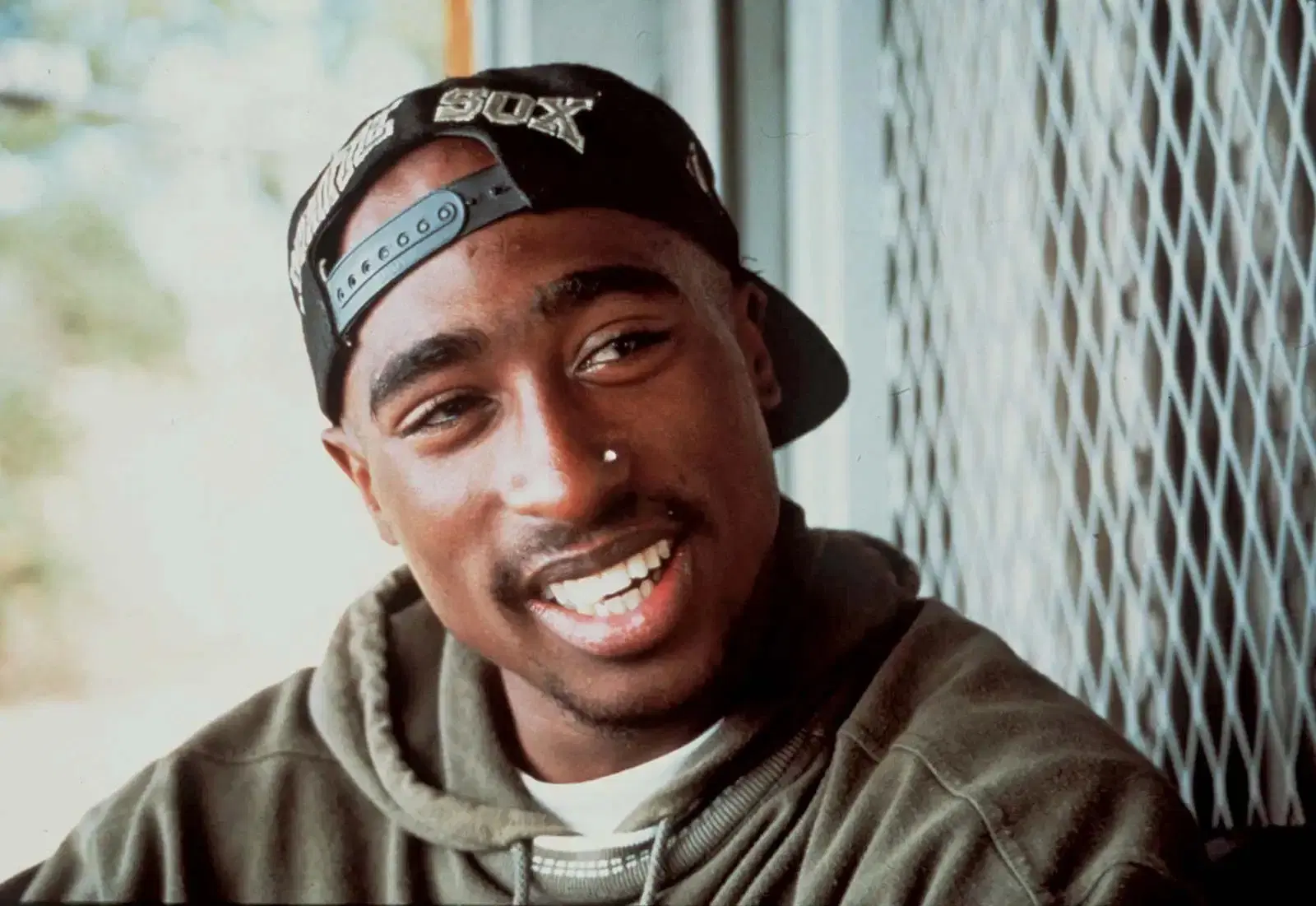
The trial over Tupac Shakur’s death has entered its second day in Las Vegas, with prosecutors presenting graphic autopsy photos, testimony about gang rivalries, and heated exchanges between witnesses and defense attorneys.
Tupac Shakur murder trial centers on Duane “Keffe D” Davis, a 63‑year‑old former gang leader accused of helping organize the 1996 drive‑by shooting that killed Tupac. Davis has pleaded not guilty and denies responsibility. Prosecutors argue he arranged the attack after his nephew, Orlando “Baby Lane” Anderson, was beaten by Tupac’s entourage earlier that night. Anderson, long suspected of being the gunman, was never charged and was killed in another gang shooting in 1998.
Tupac Shakur murder trial
One of the day’s most notable witnesses was James McDonald, a former Mob Piru Bloods member and security worker at Suge Knight’s Club 662. McDonald appeared reluctantly under court order, repeatedly refusing to name individuals or provide details about the violent incidents.
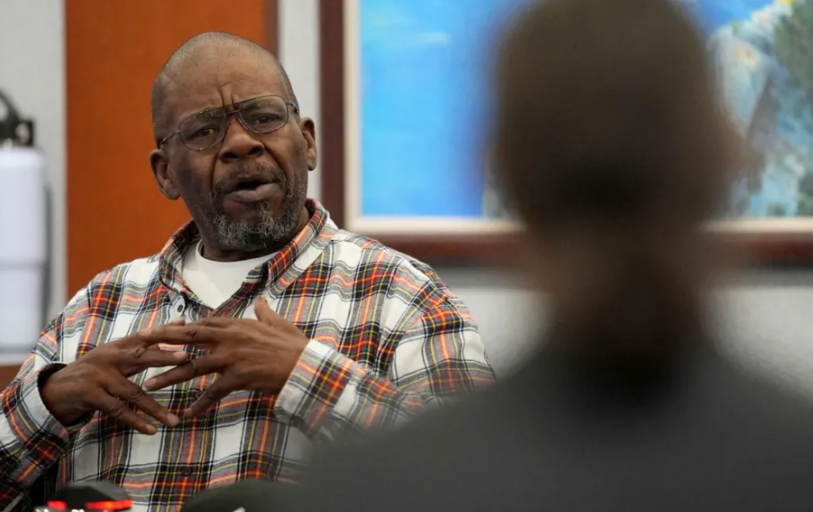
He described how tensions between the Crips and Bloods escalated during the feud between Death Row Records and Bad Boy Records. He testified that after Tupac was shot, many feared retaliation and some left Las Vegas immediately.
McDonald clashed with defense attorney Michael Sanft, at one point angrily refusing to “help send Davis to prison.” Later, he apologized for the heated exchange but criticized Davis for publicly discussing the case over the years, saying those statements put him in legal jeopardy.
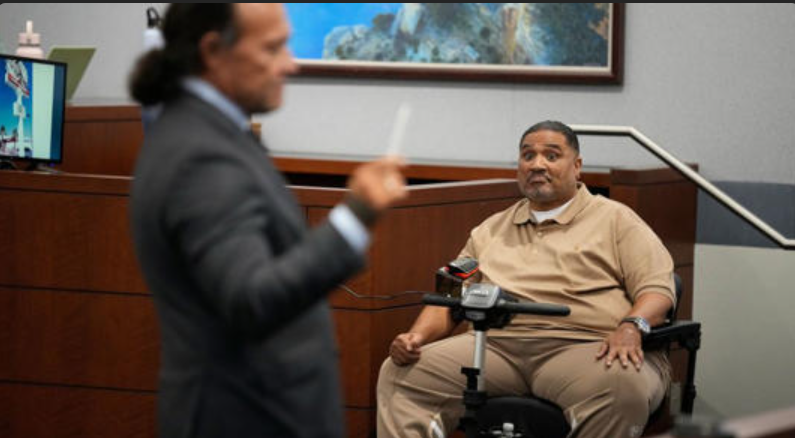
Another witness, Reggie Wright Jr., who handled security for Death Row while also serving as a police officer in Compton, testified that Tupac faced threats after releasing his confrontational track “Hit ’Em Up.” He noted that extra security was assigned to Tupac, but he wasn’t present the night of the shooting. He firmly denied having any role in Tupac’s death.
The Jurors were shown autopsy photos of Tupac’s injuries and the medical efforts to save him. A forensic pathologist explained the multiple gunshot wounds and treatment he received before dying six days later. Some of Tupac’s family members left the courtroom before the photos were shown, while others stayed. The images were a painful reminder of the violence that ended his life at the age of 25 years old.
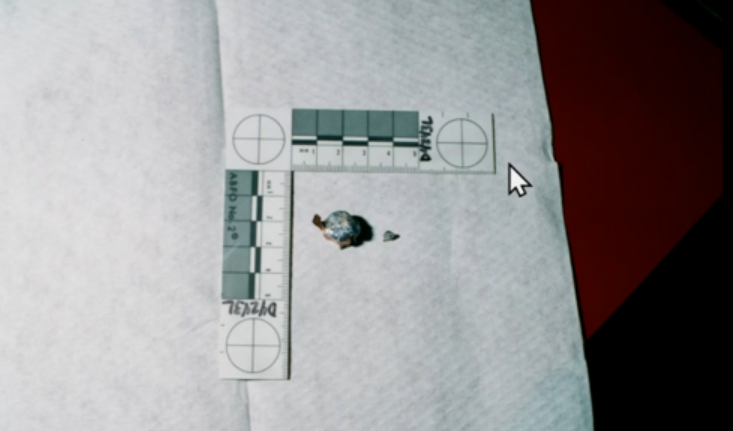
Much of the trial also focuses on Davis’s own words. In a 2019 memoir, he admitted being in the car and said he gave the gun to Anderson. Prosecutors claim that this proves his role, but Davis’s lawyers continues to challenge the prosecution’s case arguing that evidence is unreliable and witnesses are inconsistent. They also criticize the original investigation saying important reports were lost or mishandled.
Tupac Shakur murder trial remains ongoing with more witnesses and evidence expected. Prosecutors must convince jurors that Davis played a key role in the killing, while the defense insists the evidence is too weak after nearly three decades.
PLEASE CLICK HERE FOR MORE NEWS