 0
0
 0
0
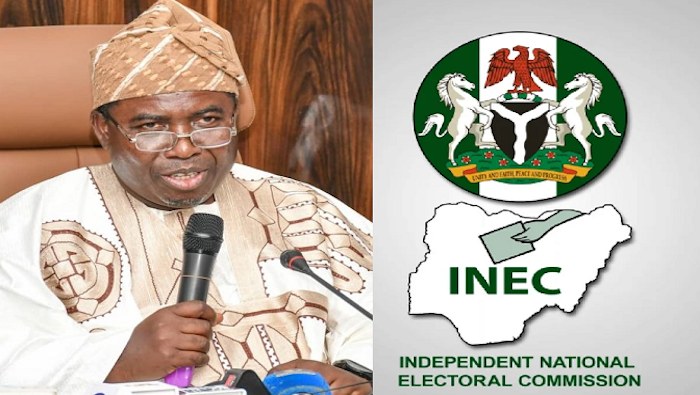
The INEC NDC court ruling has triggered a formal response from the Independent National Electoral Commission, which says it is yet to receive the Certified True Copy (CTC) of the judgment delivered by the Federal High Court in Lokoja. The commission stated that it cannot take an official position until the certified document is made available and fully reviewed.
The clarification was issued following widespread media reports suggesting that a court had set aside an earlier order directing the registration of the Nigeria Democratic Congress (NDC) as a political party.
According to the statement from the commission’s media office, INEC is aware of the judgment but is waiting for the official documentation before proceeding with any administrative or legal response.
Why the Certified True Copy Matters
In legal and administrative processes, the Certified True Copy serves as the official and binding version of a court judgment. Without it, institutions like INEC cannot take definitive action.
Key reasons include:
- It contains the verified and final wording of the judgment
- It ensures accuracy before implementation of court directives
- It prevents misinterpretation of verbal or media-reported rulings
In the ongoing INEC NDC court ruling situation, this step is essential before any enforcement decision is made.
INEC Legal Department Review Process
Once the Certified True Copy is received, the legal department of the commission will:
- Study the judgment in full detail
- Compare it with existing electoral guidelines
- Advise the commission on lawful next steps
The commission emphasized that its response will strictly follow legal interpretation and institutional procedure.
Background to the Nigeria Democratic Congress Registration Dispute
The INEC NDC court ruling is part of a broader legal disagreement involving the registration status of the Nigeria Democratic Congress (NDC) as a political party in Nigeria.
The dispute centers on whether a previous court order mandating registration should stand or be overturned by a subsequent judgment.
Earlier Court Order and Reversal
At the heart of the case is an earlier ruling that directed INEC to register the NDC as a political party. However, a later decision from the Federal High Court sitting in Lokoja reportedly set aside that order.
This conflicting judicial direction has created uncertainty, prompting INEC to await the official Certified True Copy before taking any action.
From an administrative standpoint, the INEC NDC court ruling requires clarity to avoid conflicting compliance with multiple court interpretations.
Role of Federal High Court Lokoja
The Federal High Court in Lokoja played a central role in the latest judgment. It is the court responsible for reviewing the earlier decision and issuing the recent ruling that changed the legal direction of the case.
The court’s interpretation is expected to determine:
- Whether INEC must proceed with registration
- Whether the previous order is nullified
- The legal status of the NDC’s application
The INEC NDC court ruling therefore remains dependent on the official court documentation before implementation.
Implications for Political Party Registration in Nigeria
The outcome of this case has broader implications for political party registration processes in Nigeria, which are governed by constitutional and electoral provisions.
Electoral Framework and Party Registration Rules
In Nigeria, political party registration is regulated by the Independent National Electoral Commission under established legal frameworks. These rules require:
- Compliance with constitutional provisions
- Fulfillment of administrative requirements
- Judicial backing where disputes arise
The current INEC NDC court ruling highlights how judicial decisions can directly affect electoral administration.
Possible Next Steps for INEC
Once the Certified True Copy is received and reviewed, INEC may consider several possible actions:
- Accepting and implementing the court’s final directive
- Seeking further legal clarification if ambiguity exists
- Maintaining the status quo pending additional judicial guidance
Each option depends heavily on the legal interpretation of the ruling.

Public and Institutional Reactions
The INEC NDC court ruling has drawn attention from political observers and stakeholders in Nigeria’s democratic space. While formal reactions remain limited, the situation is being closely monitored due to its implications for political participation and party recognition.
Institutions typically wait for certified judgments before issuing official responses, which aligns with INEC’s current position.
Observers note that the case underscores the importance of clear judicial communication in electoral matters, particularly when decisions impact party formation and electoral competition.
What Happens After INEC Receives the Judgment
Once INEC receives the Certified True Copy, the commission is expected to follow a structured process:
Step 1: Legal Analysis
The legal department will conduct a full review of the document to understand its implications.
Step 2: Internal Consultation
Relevant departments within INEC will assess administrative feasibility and compliance requirements.
Step 3: Decision Making
The commission will determine whether to:
- Implement the ruling
- Seek clarification from the court
- Maintain existing status until further instruction
The final direction will depend on the interpretation of the INEC NDC court ruling and its legal weight.
FAQ
What is the INEC NDC court ruling about?
The INEC NDC court ruling refers to a Federal High Court decision concerning the registration status of the Nigeria Democratic Congress and whether a previous order mandating its registration should stand.
Why is INEC waiting for the Certified True Copy?
INEC requires the Certified True Copy to ensure it acts based on the official and verified version of the judgment rather than media reports or summaries.

Which court delivered the ruling?
The ruling was delivered by the Federal High Court sitting in Lokoja, which reviewed an earlier decision related to the NDC registration case.
What happens after INEC receives the court document?
INEC will review the judgment through its legal department and decide on the appropriate next step in line with electoral laws.
Conclusion
The ongoing INEC NDC court ruling situation highlights the critical role of judicial documentation in electoral administration. With INEC awaiting the Certified True Copy of the judgment, no final decision has been made regarding the Nigeria Democratic Congress registration case.
Once the document is received and reviewed, the commission is expected to proceed strictly in accordance with legal guidance and established electoral procedures, ensuring due process is maintained.
Click here for more news