 0
0
 0
0
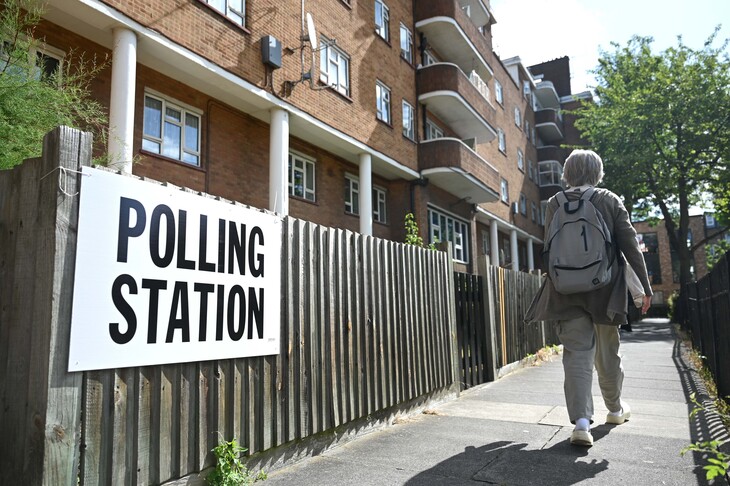
The UK elections two party system decline is becoming increasingly visible as new political dynamics reshape Britain’s electoral landscape. With regional, local, and devolved parliament elections underway, analysts say long-standing dominance by Labour and the Conservatives is facing its strongest challenge in decades.
As voters head to the polls, the UK elections two party system decline reflects a broader shift toward political fragmentation, with smaller and emerging parties gaining significant support across the country.

Rising Pressure on Labour and Conservative Dominance
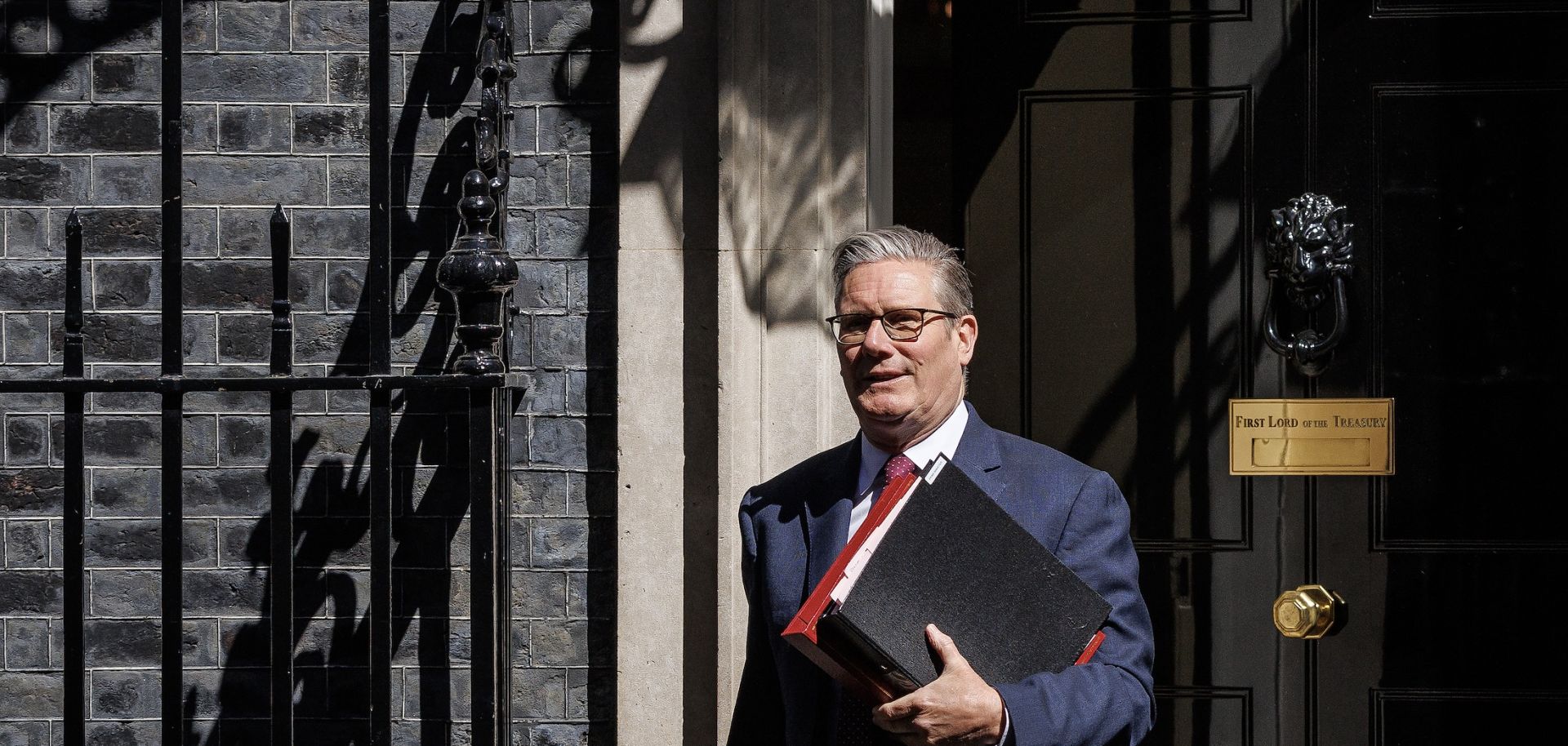
The current UK elections two party system decline is most visible in polling trends affecting the country’s two major political forces: the Labour Party and the Conservative Party.
Declining Support for Major Parties
Recent polling shows significant changes in voter behavior:
- Labour support has dropped from 35% in 2022 to around 17–20%
- Conservatives are polling between 18–21%
- Both parties are struggling to regain traditional voter bases
This shift highlights growing dissatisfaction with established political leadership.
Electoral Context
The elections include:
- Around one-third of England’s local council seats
- Full parliamentary elections in Scotland and Wales
- Multiple regional contests across the UK
The UK elections two party system decline is particularly visible in these simultaneous contests.
Rise of Smaller and Insurgent Parties
A major feature of the UK elections two party system decline is the growing influence of smaller political parties.
Reform UK Surge
Reform UK has emerged as a major force, gaining support from voters dissatisfied with traditional parties.
Key developments
- Polling between 24% and 26% nationally
- Expected to win over 1,000 council seats
- Strong performance in parts of eastern England
Analysts note that the party’s messaging on immigration and cost of living has resonated with working-class voters.
Green Party Gains
The Green Party of England and Wales is also experiencing growth, particularly in urban areas.
Areas of strength
- Strong support among voters under 30
- Competitive in inner-city London boroughs
- Record polling levels around 15%
This reflects shifting priorities among younger and urban voters.
Regional Elections Shape Political Balance
The UK elections two party system decline is also evident in Scotland and Wales, where nationalist and regional parties are gaining influence.
Scotland’s Political Landscape
The Scottish National Party continues to lead in Scotland but without a clear majority.
Key trends
- Polling around 39%
- Reform UK also gaining ground
- Voter focus on local economic issues
Wales and Electoral Reform
Wales is experiencing a major electoral shift due to a new proportional voting system.
Important changes
- Expanded 96-seat parliament
- Tight race between nationalist and reformist parties
- Labour facing reduced dominance
Factors Driving Political Fragmentation
The UK elections two party system decline is being driven by multiple social and economic factors.
Economic and Social Concerns
Voters have highlighted several key issues:
- Rising cost of living
- Housing shortages
- Public service pressure
- Economic uncertainty
Trust and Political Fatigue
Many voters express dissatisfaction with traditional parties after years of alternating governance between Labour and Conservatives.
Youth and Urban Voting Trends
One of the most significant aspects of the UK elections two party system decline is the changing behavior of younger voters.
Youth Political Shift
- Strong support for Green Party in urban areas
- Increased focus on climate and housing issues
- Lower loyalty to traditional parties
Urban Electoral Dynamics
Inner-city regions, particularly in London, are seeing increased competition among multiple parties rather than traditional two-party dominance.
Role of Technology and Election Integrity
The 2026 election cycle has also been described as the UK’s first “AI election” due to the use of digital tools in campaigning and misinformation monitoring.
Digital Challenges
Authorities are focusing on:
- Detection of AI-generated misinformation
- Monitoring deepfake content
- Protecting election integrity
These developments add a new dimension to the UK elections two party system decline discussion.
Expert Analysis on Political Shift
Political analysts suggest that while the two-party system is under pressure, a full collapse is not guaranteed.
Key Observations
- Smaller parties are gaining ground but remain fragmented
- Labour and Conservatives still hold institutional advantages
- Long-term realignment depends on future elections
Experts emphasize that sustained change would require repeated electoral success for smaller parties.
Future Outlook for UK Politics
The UK elections two party system decline raises questions about the future structure of British politics.
Possible Scenarios
- Continued fragmentation of voter base
- Coalition-style governance in local councils
- Gradual weakening of traditional party dominance
Stability vs Change
While current trends suggest transformation, the extent of long-term political change remains uncertain.
FAQ
What does the UK elections two party system decline mean?
It refers to the weakening dominance of Labour and Conservatives as smaller parties gain voter support.
Which parties are gaining popularity in the UK elections?
Reform UK and the Green Party are among the fastest-growing political forces.
Are Labour and Conservatives still dominant?
Yes, but their support has significantly declined compared to previous elections.
Could this lead to a new political system in the UK?
Experts say it is possible but would require sustained electoral change over multiple cycles.
Conclusion
The UK elections two party system decline highlights a significant shift in British politics, with traditional party dominance increasingly challenged by emerging political forces. While Labour and the Conservatives remain central, rising support for smaller parties suggests a more fragmented political future. The full impact of this shift will become clearer in future election cycles.
Click here for more news