 0
0
 0
0
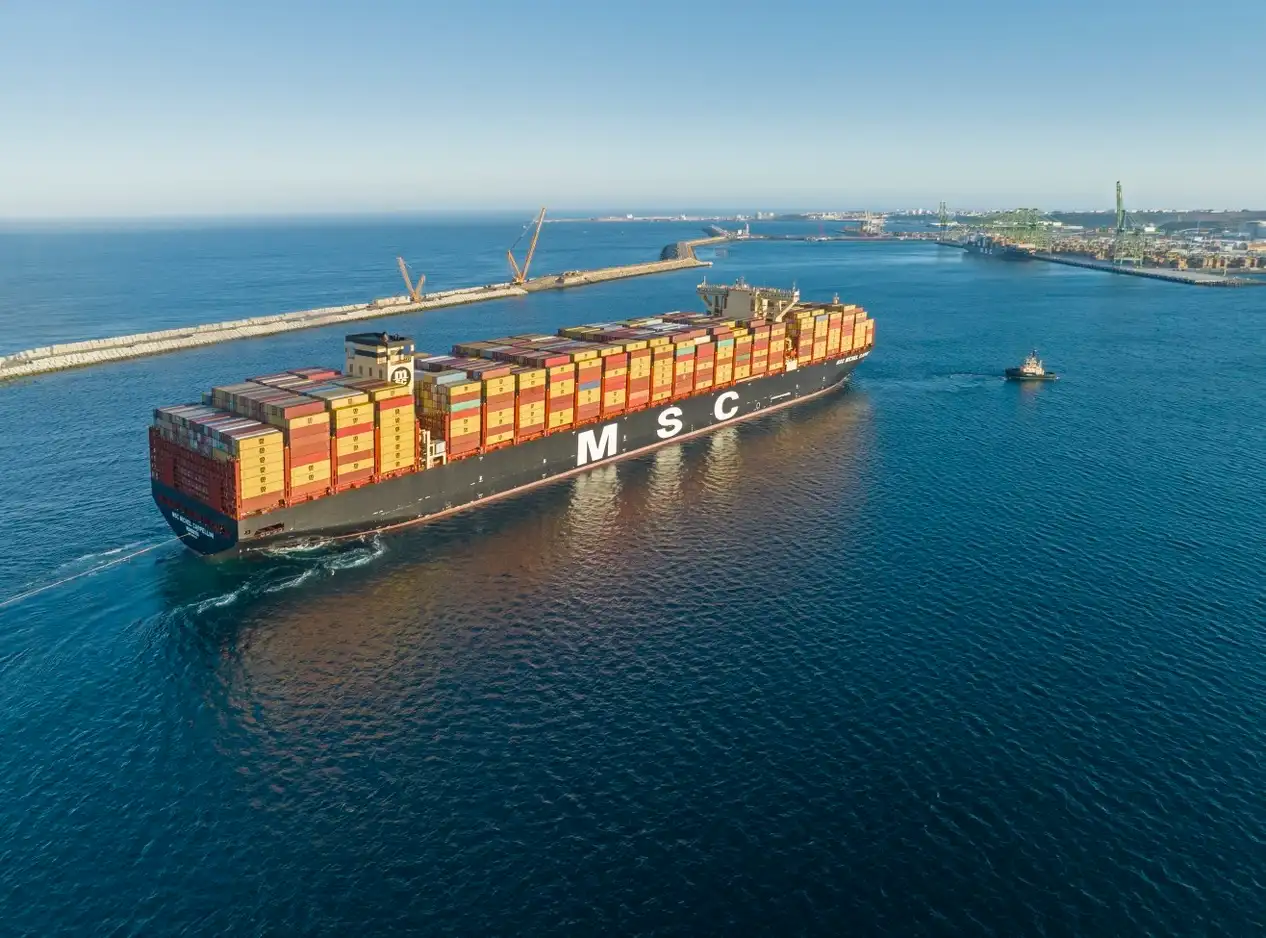
MSC bypasses Strait of Hormuz as the world’s largest container shipping company introduces a major shift in its global logistics operations to reduce exposure to growing disruption in one of the world’s most sensitive maritime corridors. The decision marks a significant change in how international cargo movement is being managed amid rising geopolitical tension affecting global supply chains.
The company is now combining sea transport, trucking networks, and feeder vessels to ensure uninterrupted cargo flow between Europe and the Middle East while avoiding direct reliance on the Strait of Hormuz route.
MSC Launches New Europe–Middle East Shipping Route
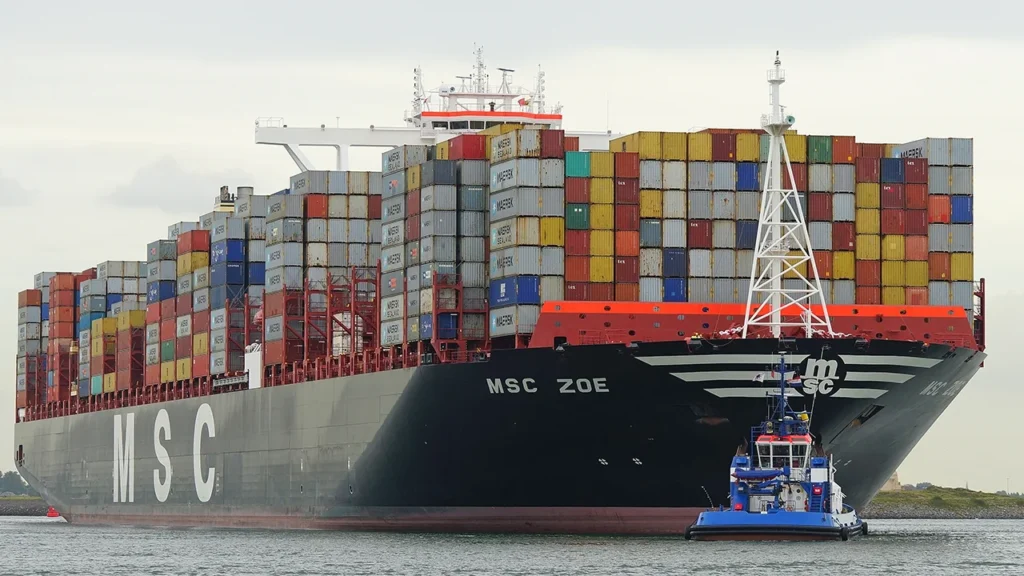
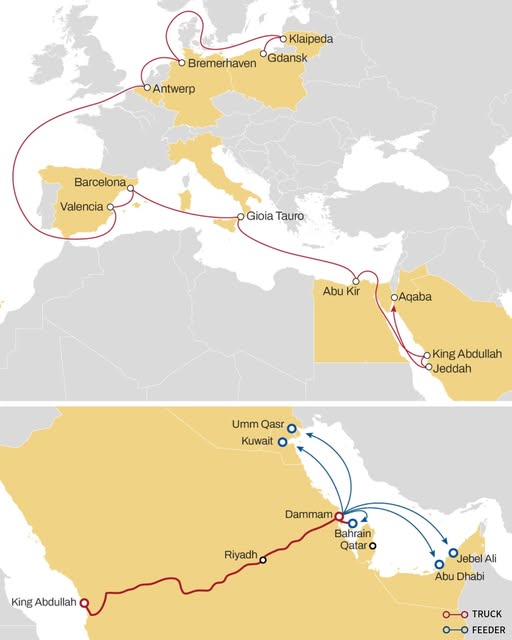
MSC bypasses Strait of Hormuz through the introduction of a redesigned trade corridor linking Europe to the Gulf region using a multimodal transport system. The new service is set to begin operations on May 10 and is designed to improve reliability in response to ongoing regional instability.
Europe–Red Sea–Middle East Express Service
The new route, named the Europe–Red Sea–Middle East Express, has been structured to maintain efficiency while reducing exposure to high-risk maritime zones.
Key operational route structure includes:
- Departure from Antwerp, Belgium
- Calls at major strategic ports in Europe
- Transit through the Suez Canal
- Passage into the Red Sea
- Arrival at King Abdullah Port in Jeddah, Saudi Arabia
- Connection to Aqaba in Jordan
This route allows MSC to maintain global shipping continuity while avoiding direct dependency on the Strait of Hormuz corridor.
Strategic Purpose of the New Route
The redesign is aimed at:
- Reducing transit risk in unstable maritime zones
- Maintaining predictable delivery timelines
- Supporting growing cargo demand between Europe and the Middle East
- Strengthening regional supply chain flexibility
Truck-Based Logistics Introduced in Saudi Arabia
A key feature of how MSC bypasses Strait of Hormuz is the introduction of a road transport system across Saudi Arabia to bridge maritime gaps in the Gulf logistics chain.
Cargo Movement Through Inland Saudi Routes
Once shipments arrive at Jeddah, goods are transported using trucks across the Kingdom of Saudi Arabia to reach Dammam on the eastern coast. From there, cargo is redistributed across Gulf destinations.
This inland system is designed to:
- Avoid direct maritime passage through the Strait of Hormuz
- Maintain consistent cargo delivery timelines
- Improve inland distribution efficiency
Expansion of Regional Connectivity
To complement trucking operations, MSC is also integrating feeder vessels to support cargo movement across the wider Gulf region.
These feeder connections include key destinations such as:
- Abu Dhabi
- Dubai
- Bahrain
- Kuwait
- Iraq
This hybrid system ensures goods continue flowing across multiple markets despite maritime restrictions.
Rising Pressure on Global Supply Chains
The decision for MSC bypasses Strait of Hormuz comes amid growing disruption in global shipping routes, particularly in the Middle East, where tensions have affected one of the world’s most critical energy and trade corridors.
Importance of the Strait of Hormuz
The Strait of Hormuz is one of the most important maritime chokepoints globally, responsible for a large percentage of global oil and gas shipments. Any disruption in this area has immediate consequences for:
- Global fuel prices
- Shipping insurance costs
- Delivery timelines
- International trade stability
Impact on Shipping Companies
As instability increases, shipping operators face:
- Higher operational risks
- Longer transit routes
- Increased insurance premiums
- Greater demand for alternative logistics planning
This has forced major carriers like MSC to rethink traditional maritime dependencies.
Regional Governments Strengthen Transport Networks
While MSC bypasses Strait of Hormuz using maritime and road integration, regional governments are also investing heavily in logistics diversification.
Saudi Arabia Rail Expansion
Saudi Arabia Railways has been expanding its container transport system to improve inland logistics capacity. Recent developments include:
- Expansion of container train routes across the country
- Improved integration between ports and inland terminals
- Development of multimodal logistics hubs
These improvements support the broader goal of reducing reliance on vulnerable maritime chokepoints.
Multimodal Logistics Growth
Across the region, there is a clear shift toward combining:
- Sea transport
- Rail networks
- Road freight systems
This approach helps strengthen supply chain resilience during periods of uncertainty.
Why MSC Bypassing Strait of Hormuz Matters
The strategy showing MSC bypasses Strait of Hormuz reflects a broader transformation in global trade logistics. Instead of relying on single maritime corridors, companies are now building flexible, multi-route systems.
Key Advantages of the New System
- Reduced exposure to geopolitical risks
- More stable delivery schedules
- Diversified transport options
- Stronger regional supply chain control
Operational Challenges
Despite its benefits, the new system also introduces challenges such as:
- Higher coordination complexity between transport modes
- Increased dependency on land infrastructure
- Longer planning and operational requirements
Future of Global Shipping Routes
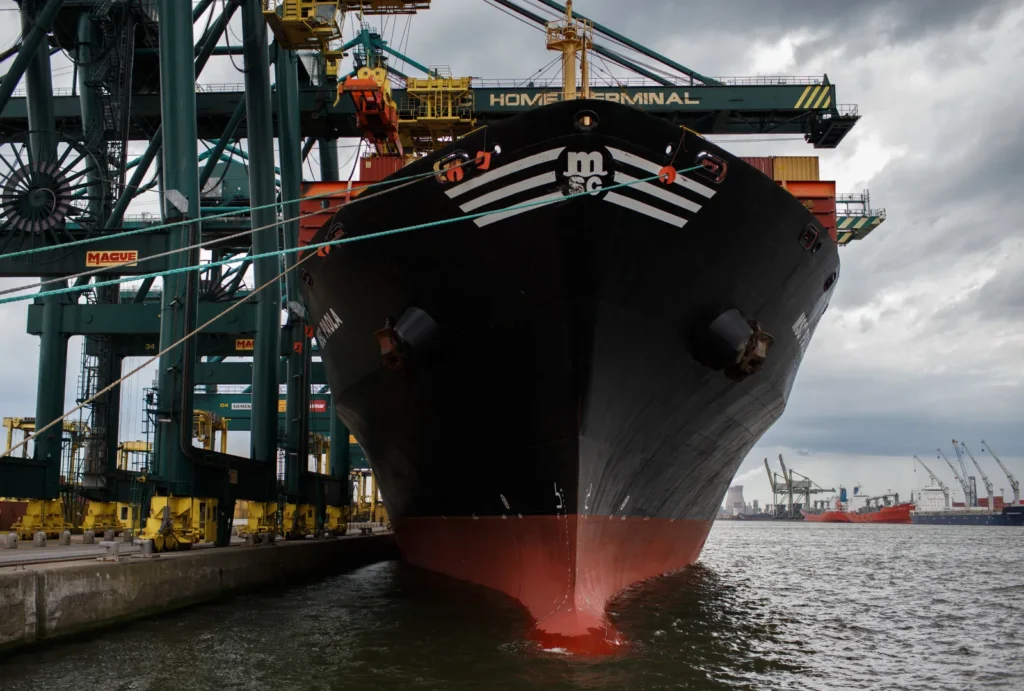
The shift where MSC bypasses Strait of Hormuz may influence long-term changes in global shipping strategies. As uncertainty continues in key maritime regions, companies are expected to expand alternative logistics networks.
Likely Industry Trends
- Growth of hybrid shipping systems
- Increased use of inland transport corridors
- Expansion of regional distribution hubs
- Reduced dependence on high-risk maritime chokepoints
This evolution suggests that global shipping is moving toward more flexible and adaptive supply chain models.
FAQ Section
Why is MSC bypassing the MSC bypasses Strait of Hormuz?
MSC is bypassing the Strait of Hormuz due to ongoing regional instability that is affecting global shipping safety and efficiency.
What alternative route is MSC using?
MSC is using a Europe–Red Sea–Middle East route combined with trucking in Saudi Arabia and feeder vessels across the Gulf.
How does trucking help MSC operations?
Trucking allows cargo to move inland through Saudi Arabia, avoiding high-risk maritime zones while maintaining delivery continuity.
Will this affect global shipping costs?
It may increase logistics complexity and operational planning costs, but it improves safety and route reliability.
Conclusion
MSC bypasses Strait of Hormuz as part of a major strategic shift in global shipping operations, reflecting how international trade is adapting to ongoing geopolitical risks. By integrating sea routes, trucking systems, and feeder vessel networks, MSC is building a more flexible and resilient supply chain model. This approach highlights a growing trend in global logistics where diversification and multimodal transport are becoming essential for stability and efficiency.
PLEASE CLICK HERE FOR MORE NEWS