 0
0
 0
0
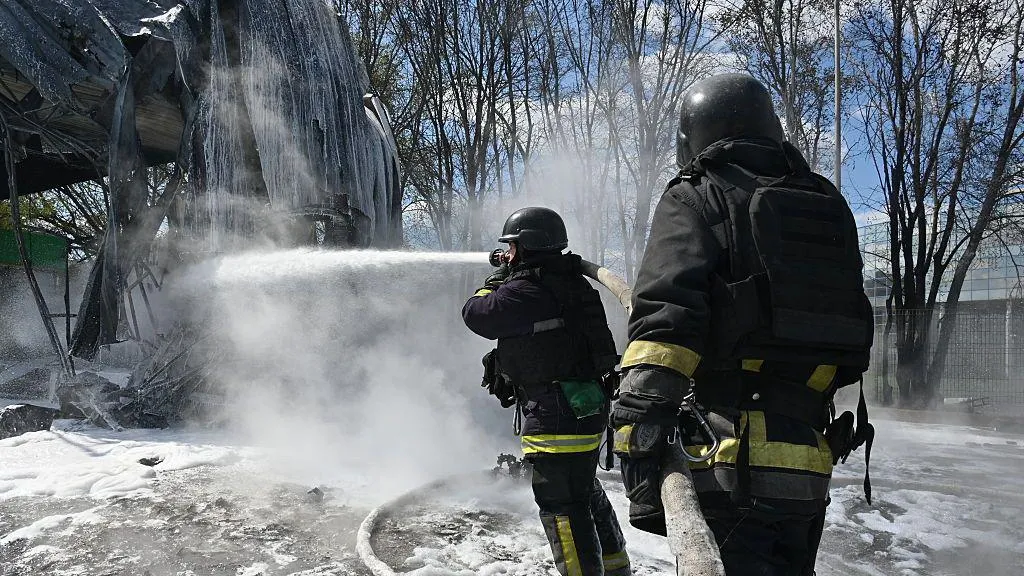
Russian strikes Ukraine casualties have increased following a new wave of drone and missile attacks across multiple regions, resulting in deaths and widespread injuries. Officials reported that at least 10 people were killed and dozens more wounded as cities across Ukraine came under renewed aerial assault.
The escalation comes alongside claims from Ukrainian President Volodymyr Zelensky that Ukrainian forces have successfully targeted Russian oil infrastructure, including tankers and a key export terminal.
Deadly Russian Attacks Reported Across Ukraine
Russian strikes Ukraine casualties were reported in at least five regions, highlighting the widespread impact of the latest offensive. Local authorities confirmed fatalities and injuries as emergency services responded to the aftermath of the strikes.
Regions Affected by the Attacks
The reported casualties were spread across several key areas:
- Kherson region: 3 people killed
- Odesa region: 2 people killed
- Donetsk region: 2 people killed
- Zaporizhzhia region: 2 people killed
- Sumy region: 1 person killed
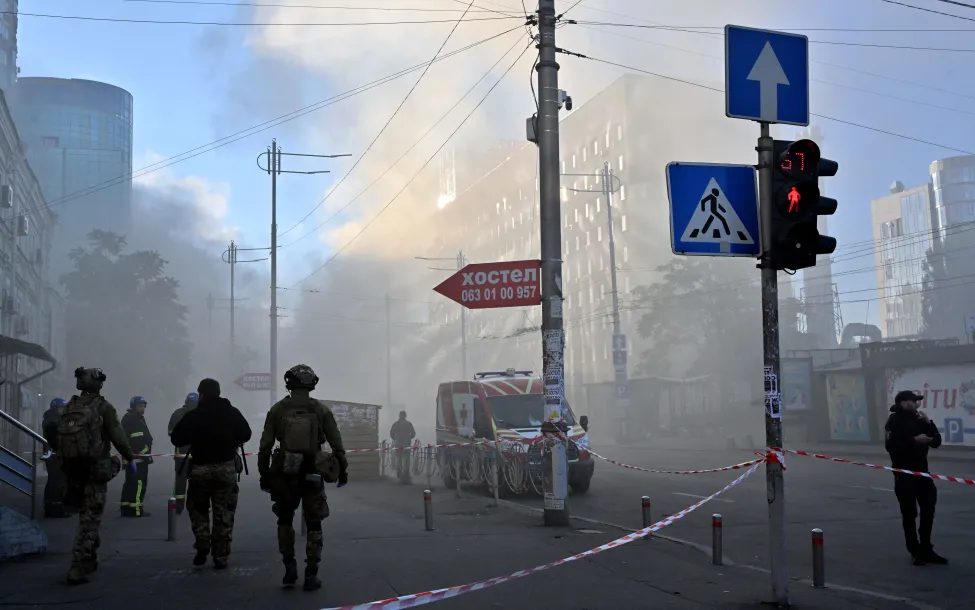
In total, at least 10 people lost their lives, while approximately 76 others were reported injured.
Ongoing Aerial Threats
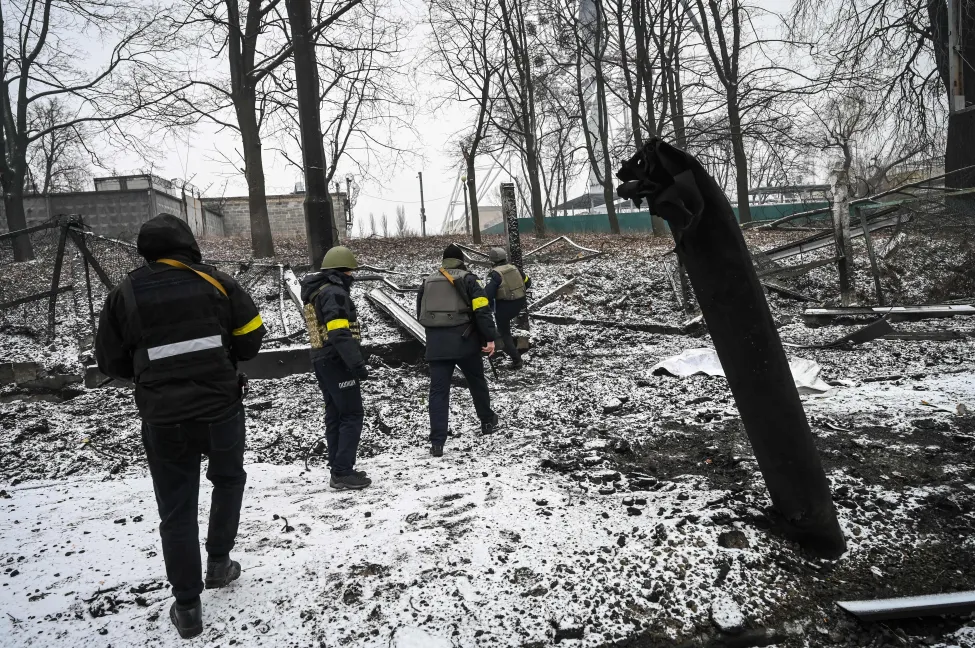
Ukraine’s cities have continued to face regular aerial bombardments, with drones and missiles targeting both infrastructure and populated areas.
According to Ukraine’s military:
- Nearly 270 drones were launched by Russian forces
- A ballistic missile was also fired
- Most of the incoming threats were intercepted by air defense systems
Despite interceptions, several strikes still caused damage and casualties.
Zelensky Reports Strikes on Russian Oil Infrastructure
As Russian strikes Ukraine casualties increased, President Volodymyr Zelensky announced that Ukrainian forces had carried out significant counterattacks on Russian oil facilities.
Damage to Oil Terminal in Leningrad Region
Zelensky stated that an oil export terminal in Russia’s northwestern Leningrad region suffered major damage following a Ukrainian strike.
The affected site, located near Finland, plays a role in Russia’s oil export network. Ukrainian officials claim that such strikes are aimed at reducing Russia’s ability to finance its war efforts.
Attacks on Tankers Near Novorossiysk
In addition to the terminal, two oil tankers near the Black Sea port of Novorossiysk were reportedly hit by Ukrainian drones.
Zelensky said the vessels were part of a “shadow fleet,” which he described as being used to bypass Western sanctions.
Key details of the tanker strikes:
- Two tankers targeted at port entrance
- Believed to be used for oil transportation
- Damage details remain unclear
Video footage released alongside the claims appeared to show a naval drone approaching one of the vessels.
Ukraine Expands Strikes on Russian Energy Exports
The reported attacks are part of a broader Ukrainian strategy targeting Russia’s oil infrastructure.
Impact on Russian Export Capacity
Recent strikes have focused on export terminals and shipping routes, which Ukraine says have disrupted billions of dollars worth of oil exports.
Key outcomes of these strikes include:
- Damage to oil terminals
- Disruption of shipping logistics
- Increased pressure on energy export routes
Strategic Importance of Oil Targets
Oil exports are a major source of revenue for Russia, making energy infrastructure a key focus in Ukraine’s military operations.
By targeting these facilities, Ukraine aims to:
- Limit Russia’s financial resources
- Disrupt supply chains
- Increase operational pressure on logistics networks
Russia Responds to Ukrainian Drone Attacks
While Russian strikes Ukraine casualties dominate reports, Moscow has also claimed that Ukraine has launched large-scale drone attacks on its territory.
Russian Claims of Incoming Drones
Russian authorities stated that at least 334 drones were fired by Ukraine, with the Leningrad region among the most heavily targeted areas.
These claims suggest an intensifying exchange of aerial attacks between both sides.
Kremlin Concerns Over Security Threats
Although Russian officials have often downplayed the impact of Ukrainian strikes, recent developments indicate growing concern over the reach of Ukraine’s drone capabilities.
One notable response includes:
- Scaling back of public military events
- Increased focus on domestic security measures
Changes to Victory Day Celebrations
Amid rising tensions and continued attacks, Russia has announced adjustments to its annual Victory Day celebrations.
Reduced Military Parade Plans
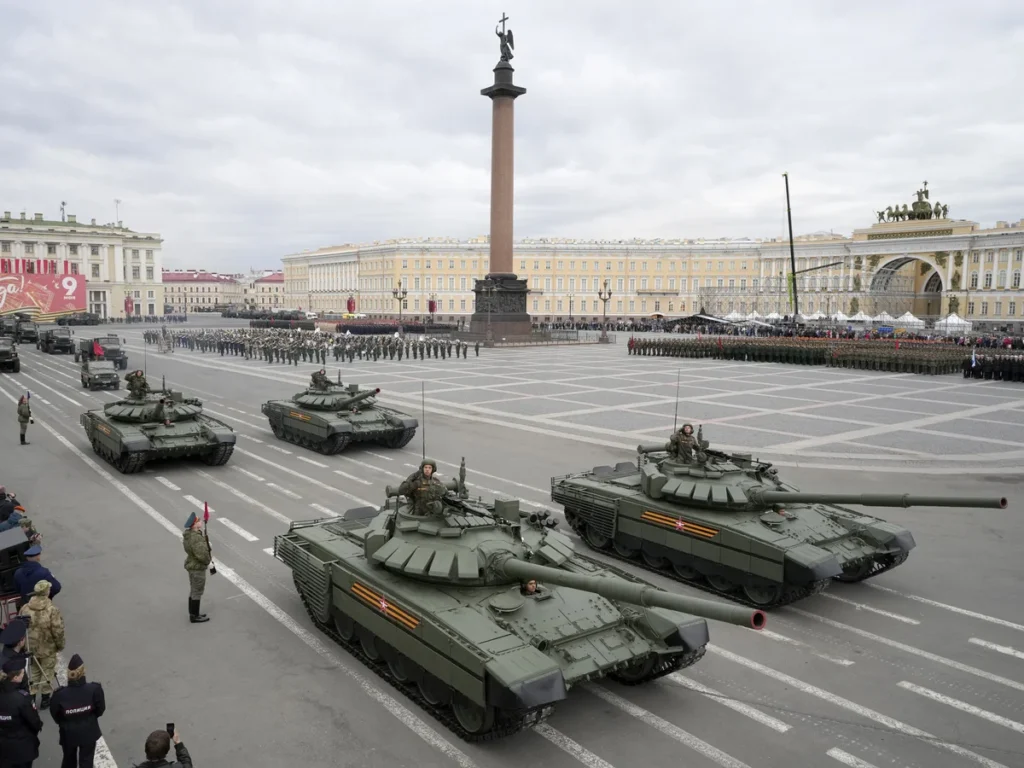
The Kremlin confirmed that it would scale down its traditional military parade marking the defeat of Nazi Germany in World War II.
The decision was attributed to what officials described as a “security threat” linked to Ukrainian drone activity.
Broader Implications
The move reflects:
- Heightened security concerns
- Recognition of Ukraine’s long-range strike capabilities
- Shifts in how major national events are managed during conflict
Escalating Conflict and Global Implications
The increase in Russian strikes Ukraine casualties, combined with Ukraine’s counterattacks on energy infrastructure, signals a continued escalation in the conflict.
Key Developments to Watch
- Intensification of drone warfare
- Expansion of targets beyond front-line areas
- Greater focus on economic infrastructure
- Rising civilian impact
These trends suggest that both sides are adapting their strategies to target not only military assets but also critical economic systems.
FAQ Section
How many people were killed in the latest Russian strikes on Ukraine?
At least 10 people were reported killed, with around 76 others injured across multiple regions.
Which regions in Ukraine were affected by the attacks?
Kherson, Odesa, Donetsk, Zaporizhzhia, and Sumy regions reported casualties from the strikes.
What did Zelensky say about attacks on Russian oil facilities?
Zelensky said Ukrainian forces damaged an oil terminal in the Leningrad region and struck two tankers near Novorossiysk.
Why is Ukraine targeting Russian oil infrastructure?
Ukraine aims to disrupt Russia’s energy exports and reduce its ability to fund military operations.
Conclusion
Russian strikes Ukraine casualties continue to rise as aerial attacks intensify across multiple regions, causing deaths, injuries, and infrastructure damage. At the same time, Ukraine’s counterattacks on Russian oil facilities highlight a strategic shift toward targeting economic assets. The ongoing developments reflect a conflict that is expanding in both scale and complexity, with implications for regional stability and global energy markets.
PLEASE CLICK HERE FOR MORE NEWS