 0
0
 0
0
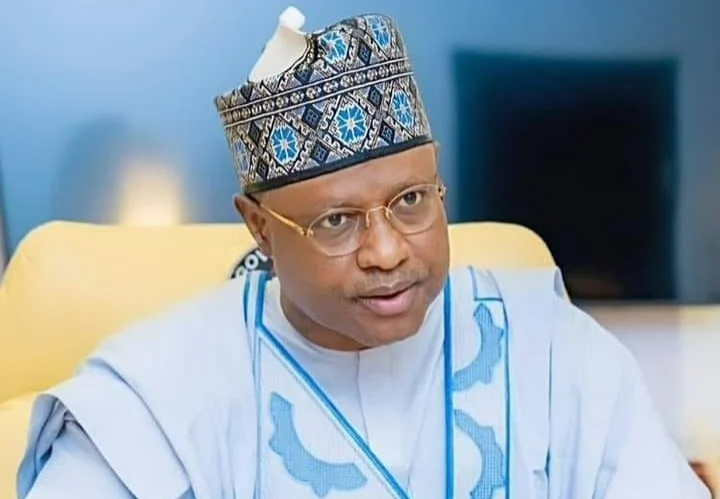
The discussion around Tinubu 2027 election social media votes has taken a new turn following remarks by Kaduna State Governor Uba Sani, who outlined what he believes is the only scenario in which President Bola Tinubu could lose the next general election.
Speaking during a televised interview, the governor addressed growing political conversations online and the influence of digital platforms on public perception ahead of 2027.
Governor Uba Sani’s Key Statement on 2027 Elections
Governor Uba Sani made it clear that the outcome of the 2027 presidential race would depend largely on how votes are cast and counted, rather than on social media trends.
According to him, President Tinubu would face defeat only if elections were conducted entirely on social media platforms such as Twitter, Facebook, and Instagram.
He emphasized that real-world voting patterns differ significantly from online narratives.
Social Media vs Ballot Voting
Sani highlighted the contrast between digital engagement and physical voter turnout. He noted that:
- Social media often amplifies specific voices and opinions
- Online popularity does not always reflect nationwide voter sentiment
- Election outcomes are determined at polling units, not on digital platforms
This distinction forms the basis of his argument regarding Tinubu 2027 election social media votes.
Expected Voting Outcome
During the interview, the governor expressed confidence in Tinubu’s political strength among actual voters. He stated that if elections follow the traditional process of voting at polling units, Tinubu could secure a significant majority.
He projected that the president could win as much as 70 percent of the vote under standard electoral conditions.
The Role of Social Media in Nigerian Politics
The topic of Tinubu 2027 election social media votes also highlights a broader issue: the growing influence of digital platforms in shaping political discourse in Nigeria.
Social media has become a major space for:
- Political campaigns
- Public debates
- Youth engagement
- Opinion shaping
However, analysts often point out that online momentum does not always translate into votes during elections.
Digital Popularity vs Electoral Reality
In recent elections, candidates with strong social media backing have not always achieved expected results at the polls. This has led to ongoing debates about the true impact of digital support.
Key differences include:
- Demographics: Not all eligible voters are active online
- Accessibility: Rural areas may have limited internet access
- Participation: Online engagement does not guarantee voter turnout
These factors continue to shape discussions around Tinubu 2027 election social media votes.
Reference to Past Election Trends
Governor Sani’s comments also reflect patterns observed during the 2023 general elections, where social media played a major role in political mobilization.
Influence of Online Support
One of the notable figures during that election cycle was Peter Obi, who gained significant traction across social media platforms.
His campaign benefited from:
- Strong youth support
- High online visibility
- Viral political messaging
Despite this, election results showed that online popularity alone was not enough to secure victory.
Lessons from 2023
The 2023 elections provided insights into how digital influence interacts with traditional voting systems. Observers noted that:
- Ground-level political structures remain critical
- Voter mobilization requires offline strategies
- Electoral success depends on widespread physical participation
These lessons continue to inform current discussions about Tinubu 2027 election social media votes.
Political Reactions and Interpretations
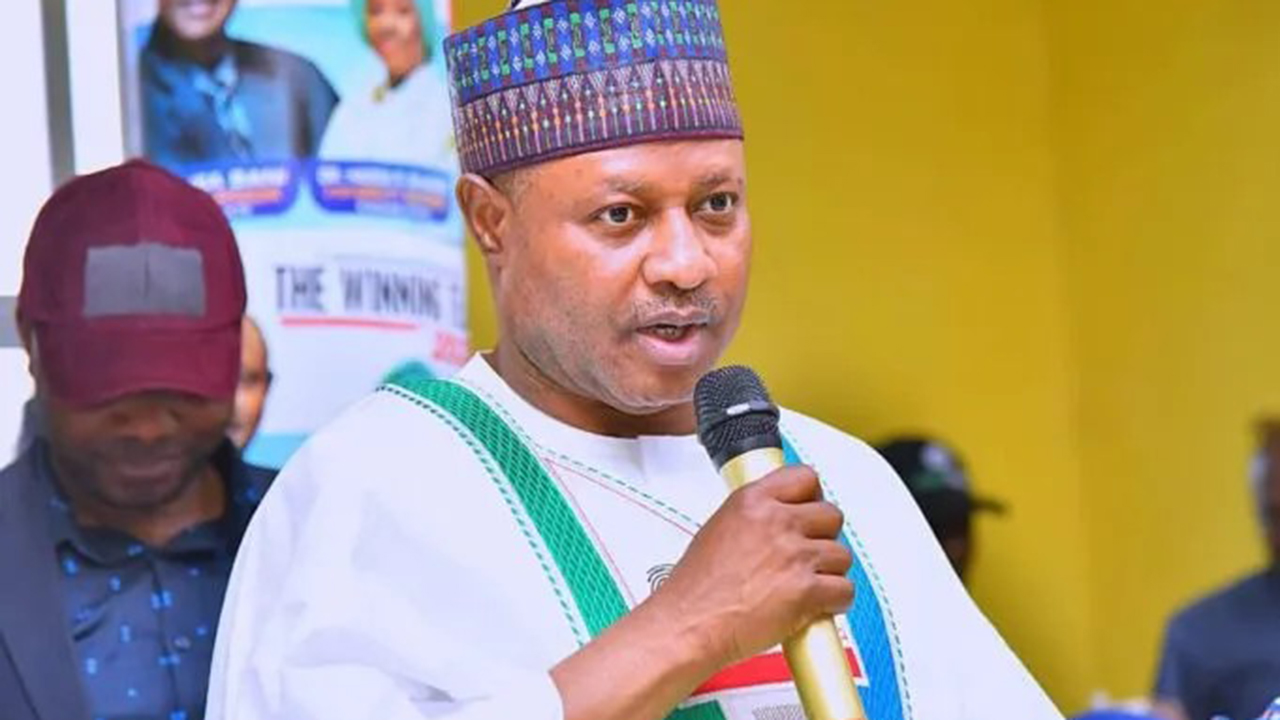
Governor Sani’s remarks have sparked conversations among political observers, analysts, and citizens.
While some agree with his perspective, others believe that social media influence is growing and could play a larger role in future elections.
Support for the Statement
Those who support Sani’s view argue that:
- Elections are decided by registered voters, not online users
- Political structures and grassroots networks are more decisive
- Social media can exaggerate minority opinions
Alternative Views
On the other hand, critics suggest that:
- Social media is increasingly shaping political awareness
- Younger voters are more digitally connected
- Online campaigns can influence undecided voters
This ongoing debate keeps the topic of Tinubu 2027 election social media votes relevant in Nigeria’s political landscape.
The Future of Elections and Digital Influence
As Nigeria approaches the 2027 elections, the balance between online influence and offline voting will remain a key issue.
Possible Developments
Experts believe several factors could shape future outcomes:
- Increased internet penetration across rural areas
- Expansion of digital political campaigns
- Improved voter education and engagement
Will Social Media Gain More Power?
While traditional voting remains the official method, the role of social media is expected to grow. However, whether it can directly influence election results remains uncertain.
The discussion around Tinubu 2027 election social media votes reflects this evolving dynamic between technology and democracy.
FAQ Section
What did Governor Uba Sani say about Tinubu’s chances in 2027?
He stated that Tinubu would only lose if elections were conducted on social media platforms rather than through physical voting at polling units.
How does social media affect Nigerian elections?
Social media shapes public opinion and political engagement but does not directly determine election outcomes, which depend on actual votes cast.
Why is the Tinubu 2027 election social media votes topic trending?
It gained attention after comments highlighting the gap between online popularity and real-world electoral success.
Did social media influence the 2023 Nigerian elections?
Yes, it played a major role in campaigns and awareness, but final results were determined by physical voter turnout.
Conclusion
Governor Uba Sani’s remarks have added a new dimension to discussions about Nigeria’s electoral future. The contrast between online influence and real-world voting remains a critical factor as the country looks ahead to 2027. While social media continues to shape political conversations, election outcomes will ultimately depend on participation at the ballot box. The debate surrounding Tinubu 2027 election social media votes underscores the evolving relationship between technology and democratic processes.
Click here for more news