 0
0
 0
0
The US Iran Strait of Hormuz talks have entered a tense phase as both countries continue exchanging proposals aimed at ending ongoing hostilities and addressing growing instability in the Middle East. Despite multiple diplomatic efforts and structured frameworks, Washington and Tehran remain far apart on key conditions for peace.
The discussions, which focus heavily on ceasefire arrangements, regional security, and maritime access through the Strait of Hormuz, have yet to produce a breakthrough. Instead, recent exchanges highlight deep disagreements over timelines, enforcement mechanisms, and long term conflict resolution strategies.
US and Iran Remain Divided Over Peace Frameworks
The latest stage of the US Iran Strait of Hormuz talks shows that both sides are still struggling to align on a shared roadmap for de-escalation. While proposals have been exchanged in rapid succession, they reflect contrasting approaches to ending the conflict.
Key points of disagreement
Both governments differ on several critical issues, including:
- Duration of proposed ceasefires
- Structure of negotiation timelines
- Handling of maritime security in the Strait of Hormuz
- Conditions tied to regional conflict resolution
- Sequence of nuclear program discussions
These differences have slowed momentum in negotiations and raised concerns about the possibility of renewed tensions if talks collapse.
Rising diplomatic pressure
International observers note that the flurry of proposals reflects urgency on both sides. However, the absence of consensus in the US Iran Strait of Hormuz talks has kept diplomatic progress limited and fragile.
Iran’s 14 Point Framework Proposal Explained
Iran recently submitted a revised 14 point framework proposal to the United States, marking one of the most detailed diplomatic efforts in the ongoing negotiations. The proposal aims to accelerate resolution while restructuring the approach to ceasefire discussions.
One month negotiation window
A central feature of Iran’s plan is a one month negotiation period designed to achieve immediate progress on critical issues.
This includes:
- Reopening of the Strait of Hormuz for maritime traffic
- Lifting of restrictions affecting naval movement
- Establishing conditions for a lasting end to conflict
- Coordinated steps toward regional stabilization
Iran’s approach in the US Iran Strait of Hormuz talks emphasizes quick resolution rather than prolonged interim agreements.
Broader conflict resolution goals
The proposal also includes a commitment to a permanent end to hostilities affecting both Iran and Lebanon, suggesting a wider regional scope beyond bilateral tensions.
US Nine Point Counterproposal and Ceasefire Strategy
In response, the United States introduced a nine point proposal that outlines a different path toward de-escalation. Washington’s approach focuses on a longer and more structured ceasefire process.
Two month ceasefire plan
The US proposal includes a two month ceasefire period intended to allow:
- Verification of compliance measures
- Gradual reduction of military activity
- Structured diplomatic monitoring
- Extended negotiation timelines
This longer timeframe contrasts with Iran’s preference for a faster resolution in the US Iran Strait of Hormuz talks, highlighting a major divide in strategy.
Competing negotiation philosophies
While the United States emphasizes stability through phased monitoring, Iran pushes for quicker political decisions. This difference continues to slow meaningful progress.
Strategic Importance of the Strait of Hormuz
The Strait of Hormuz remains a central issue in the negotiations due to its global economic and strategic importance. It is one of the most critical maritime chokepoints in the world.
Why the Strait matters
The waterway is essential for:
- Global oil transportation routes
- International shipping security
- Energy market stability
- Regional military balance
Any disruption in this area can trigger widespread economic consequences, making it a key focus of the US Iran Strait of Hormuz talks.
Link to regional stability
Both sides recognize that without agreement on maritime access, broader peace efforts may remain incomplete or unstable.
Nuclear Program Negotiations and Second Phase Talks
Beyond ceasefire discussions, Iran’s nuclear program remains a sensitive and separate component of the negotiations.
Proposed structured timeline
Sources indicate that if initial agreements are reached, an additional one month period would be dedicated to nuclear discussions.
This phased approach aims to:
- Separate military de-escalation from nuclear negotiations
- Reduce pressure on immediate decision making
- Create structured diplomatic sequencing
- Improve chances of technical agreement
However, consensus on this timeline remains uncertain within the US Iran Strait of Hormuz talks.
US Political Response and Uncertainty
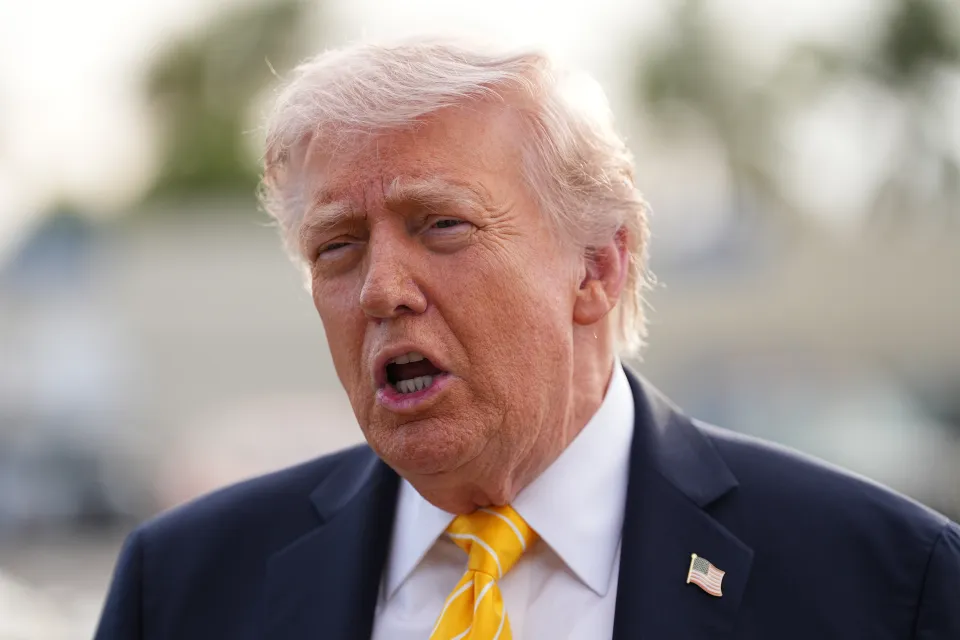
US President Donald Trump acknowledged receiving Iran’s latest proposal but expressed skepticism about its viability. He also indicated that future military options remain on the table.
Impact on negotiations
This position has added uncertainty to the diplomatic process. While it signals ongoing engagement, it also highlights the fragile nature of current discussions.
The mixed messaging has contributed to hesitation on both sides, slowing progress in the US Iran Strait of Hormuz talks.
Risk of Renewed Tensions Remains
Despite ongoing negotiations, analysts warn that the absence of agreement continues to pose a risk of renewed conflict. The strategic importance of the Strait of Hormuz and unresolved military tensions increase the stakes for both parties.
Key risk factors include
- Breakdown of ceasefire discussions
- Escalation in maritime tensions
- Failure to agree on nuclear timelines
- Continued political mistrust
These factors make the situation highly sensitive and unpredictable.
Prospects for Future Agreement
Although progress has been slow, diplomatic channels remain open. Both sides continue to exchange proposals, suggesting that dialogue has not completely stalled.
Possible outcomes
- Gradual phased agreement on ceasefire terms
- Separate negotiation track for nuclear issues
- International mediation involvement
- Extended diplomatic engagement cycles
The future of the US Iran Strait of Hormuz talks will depend on whether both sides can narrow differences on timing and enforcement mechanisms.
FAQ
What is the US Iran Strait of Hormuz talks about?
It refers to ongoing diplomatic negotiations between the US and Iran focused on ending conflict and securing maritime stability in the Strait of Hormuz.
Why is the Strait of Hormuz important in the negotiations?
It is a key global oil shipping route, and its stability affects international energy supply and economic security.
What are the main differences between US and Iran proposals?
The US prefers a longer ceasefire period, while Iran pushes for faster negotiations and quicker resolution.
Could the talks lead to a peace agreement?
An agreement is possible, but only if both sides compromise on timelines, enforcement methods, and regional security arrangements.
Conclusion
The ongoing US Iran Strait of Hormuz talks reflect a complex and delicate diplomatic process marked by competing proposals and unresolved strategic disagreements. While both nations continue to engage, significant gaps remain in their approaches to ceasefire timing, maritime security, and broader regional stability.
Until a unified framework is established, uncertainty is likely to persist, especially in relation to the Strait of Hormuz and nuclear negotiations. Continued dialogue remains essential to preventing further escalation and maintaining regional stability.
Click here for more news