 0
0
 0
0
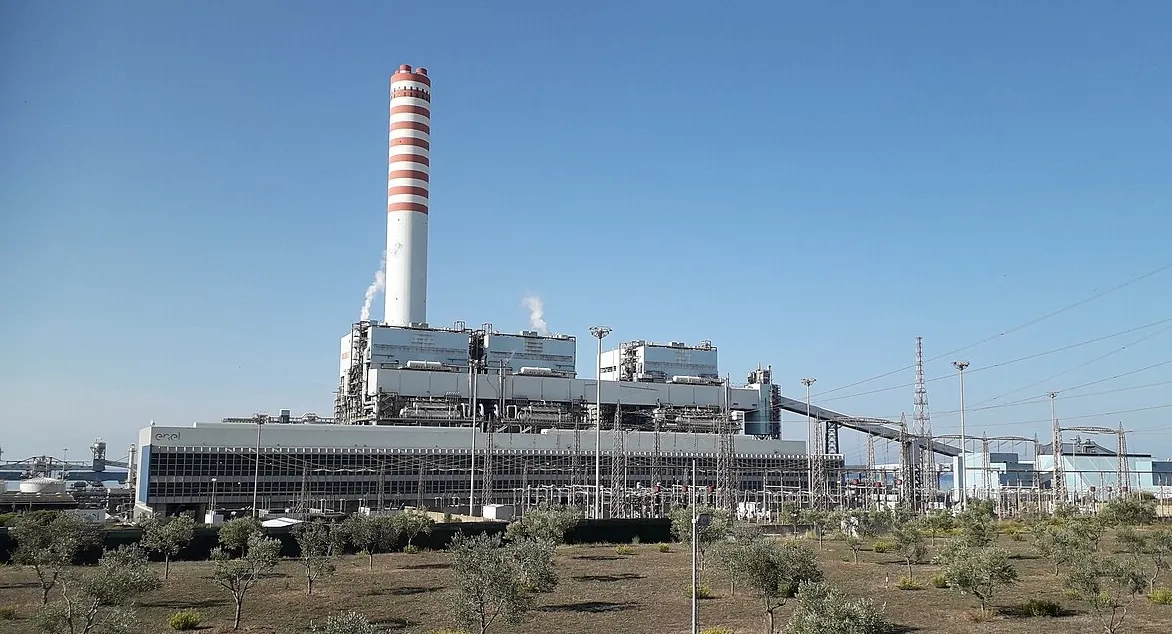
The Italy coal plants gas price threshold has become a key topic in Europe’s energy discussions, as Italian officials warn that coal-fired power plants could be reactivated if natural gas prices rise sharply. While current gas prices remain stable, authorities are preparing contingency plans in case of market volatility.
This development highlights the ongoing challenges faced by European countries in balancing energy security, affordability, and environmental goals.
Government Warning on Gas Price Threshold
Italy’s environment and energy leadership has outlined a clear benchmark that could trigger emergency measures.
€70 Threshold for Action
Officials have stated that coal plants may be reconsidered if gas prices exceed:
- €70 per megawatt-hour
- A level significantly higher than current market prices
At present, gas prices are estimated to be around €40 per megawatt-hour, well below the threshold. However, fluctuations in global markets mean that the situation could change rapidly.
The Italy coal plants gas price threshold serves as a precautionary marker rather than an immediate policy shift.
Current Market Conditions
Energy officials have indicated that:
- Initial forecasts placed gas prices between €28 and €30
- Current levels are higher than expected but still manageable
- Market volatility remains a concern due to geopolitical factors
These conditions explain why contingency planning is being discussed.
Coal as an Emergency Backup Option
Italian authorities have emphasized that coal would only be used under exceptional circumstances.
Limited Role of Coal
Coal is not being considered as a long-term solution. Instead, it is viewed as:
- A temporary measure during energy shortages
- A backup option to maintain electricity supply
- A safeguard against extreme price spikes
The Italy coal plants gas price threshold discussion reflects the need for flexibility in energy planning.
Environmental Considerations
The potential use of coal raises environmental concerns, as it is a more carbon-intensive energy source. However, officials stress that:
- Any use of coal would be short-term
- Environmental commitments remain in place
- Renewable energy development continues to be a priority
Balancing environmental goals with energy security remains a key challenge.
No Return to Russian Gas Supplies
Italian authorities have firmly ruled out resuming gas imports from Russia.

Alignment With European Policy
The government’s position is consistent with broader European Union policies, which aim to:
- Reduce dependence on Russian energy
- Diversify energy sources
- Strengthen energy independence
The Italy coal plants gas price threshold debate takes place within this broader strategic framework.
Long-Term Energy Strategy
Instead of returning to Russian gas, Italy is focusing on:
- Expanding renewable energy capacity
- Increasing energy efficiency
- Securing alternative gas supplies from other regions
These efforts are intended to reduce vulnerability to external shocks.
Global Factors Affecting Energy Prices
The potential for rising gas prices is closely linked to global events and geopolitical tensions.
Impact of International Conflicts
Energy markets are influenced by developments such as:
- Conflicts affecting oil and gas supply routes
- Disruptions in major shipping channels
- Uncertainty in global trade
These factors contribute to price volatility and uncertainty.
Importance of Key Trade Routes
One critical area is the Strait of Hormuz, a major route for energy shipments. Disruptions in this region can:
- Limit global supply of oil and gas
- Increase transportation costs
- Drive up market prices
The Italy coal plants gas price threshold scenario is partly shaped by these external risks.
Uncertainty in Energy Market Outlook
Officials have acknowledged that predicting energy market trends remains difficult.
Rapidly Changing Conditions
Energy markets are currently experiencing:
- Daily fluctuations in pricing
- Shifts in supply and demand
- Ongoing geopolitical uncertainty
This makes long-term forecasting challenging.
Need for Preparedness
Given these uncertainties, governments are prioritizing readiness. This includes:
- Maintaining backup energy options
- Monitoring market trends closely
- Coordinating with international partners
The Italy coal plants gas price threshold serves as part of this preparedness strategy.
Broader Implications for Europe
Italy’s approach reflects a wider trend across Europe, where countries are reassessing their energy strategies.
Energy Security vs Sustainability
European nations are working to balance:
- Reliable energy supply
- Environmental commitments
- Economic stability
This balancing act is becoming more complex in the current global environment.
Potential Policy Adjustments
Depending on future developments, governments may:
- Adjust energy policies
- Increase investment in alternative energy
- Strengthen regional cooperation
The Italy coal plants gas price threshold discussion is one example of how countries are adapting to new challenges.
FAQ Section
Why might Italy restart coal plants?
Italy may use coal plants as a temporary backup if gas prices rise above €70 per megawatt-hour.
What are current gas prices in Italy?
Gas prices are currently around €40 per megawatt-hour, below the emergency threshold.
Will Italy return to Russian gas imports?
No, Italian officials have ruled out returning to Russian gas, aligning with European Union policy.
How do global events affect gas prices?
Geopolitical tensions and disruptions to energy supply routes can increase gas prices and create market uncertainty.
Conclusion
The Italy coal plants gas price threshold highlights the challenges facing modern energy systems in times of uncertainty. While coal remains a last-resort option, its potential use underscores the importance of flexibility in energy planning. As global conditions evolve, Italy and other European countries will continue to adapt their strategies to ensure both energy security and long-term sustainability.
Click here for more mews