 0
0
 0
0
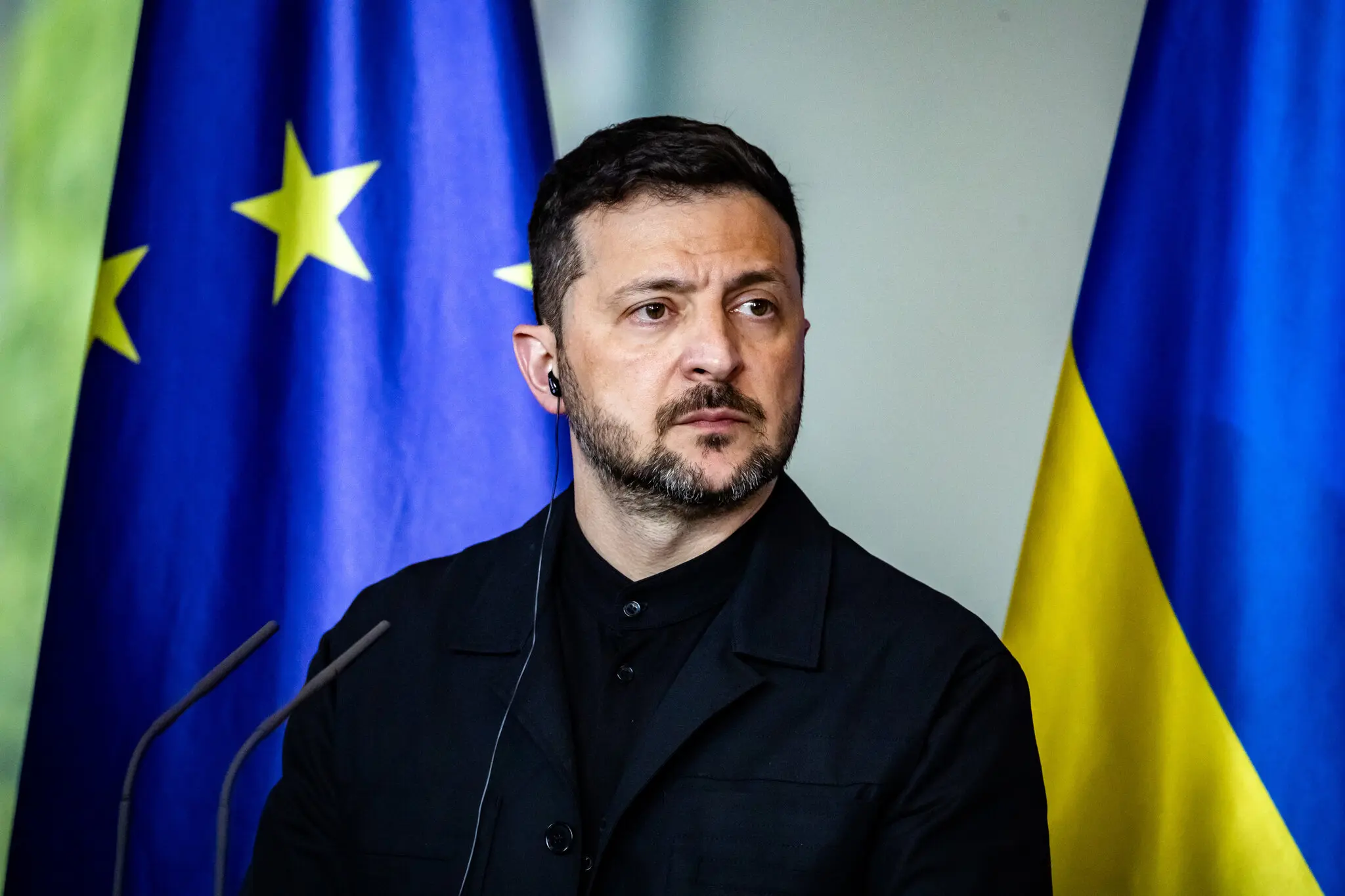
Pentagon dispute over Ukraine policy is becoming increasingly visible as senior United States officials express sharply different views on military support, strategic priorities, and leadership decisions. These differences highlight broader debates within Washington over the direction of foreign policy and defense planning.
Recent public statements from top officials show contrasting positions not only on Ukraine but also on the role of the U.S. Army and leadership within the Department of Defense.
Growing Policy Divide Within U.S. Leadership
A noticeable divergence has emerged among senior figures in the U.S. government regarding the ongoing war in Ukraine. While some leaders advocate reducing involvement, others continue to emphasize the importance of support and cooperation.
Vice President Signals Shift in Approach
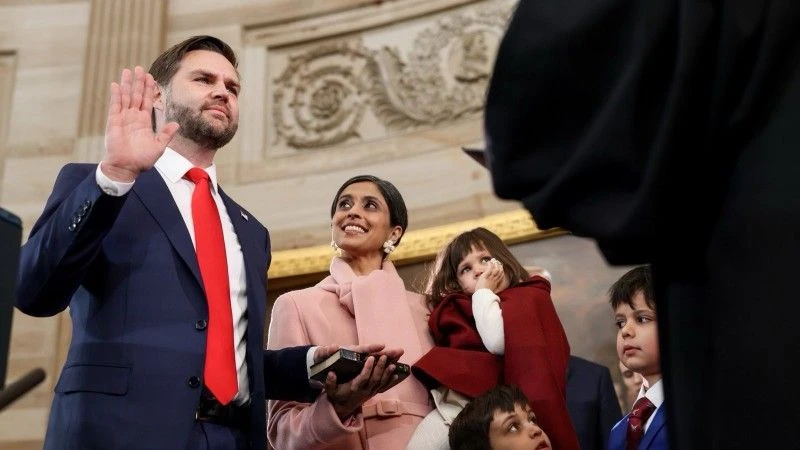
At a political event earlier in the week, Vice President J.D. Vance described the decision to cut off financial support for Ukraine as a major policy achievement.
This statement reflects a broader shift among some policymakers who argue that U.S. resources should be redirected toward domestic priorities or other strategic interests.
Army Leadership Emphasizes Continued Support
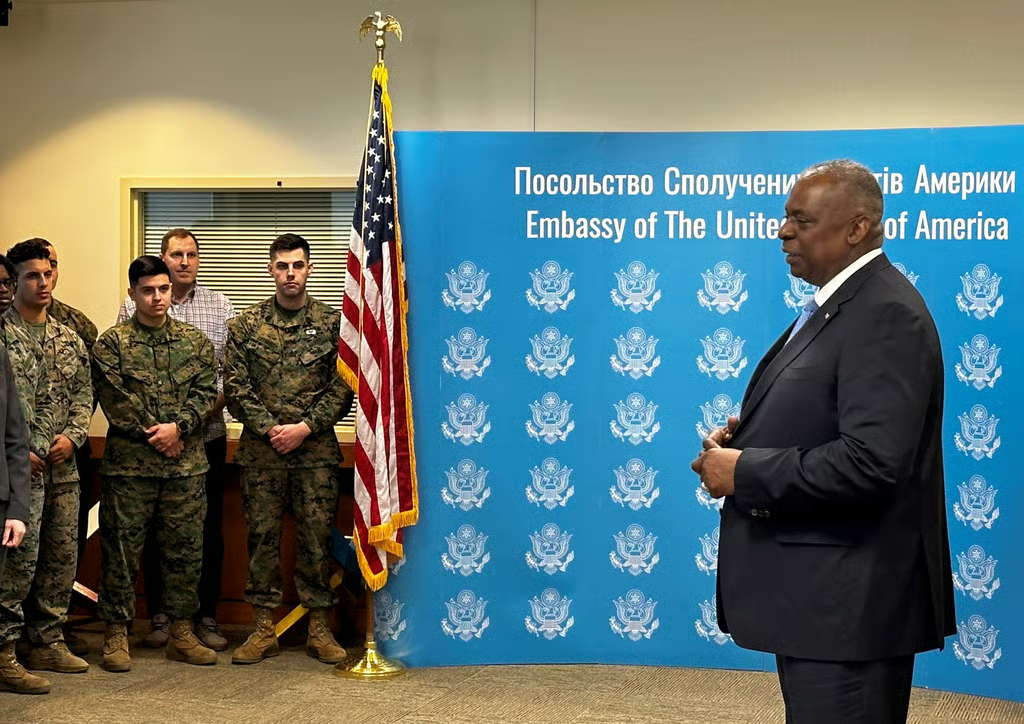
In contrast, U.S. Secretary of the Army Dan Driscoll presented a different perspective during a congressional hearing. He highlighted the long-standing support provided to Ukraine since the early stages of the conflict.
Driscoll noted that the U.S. Army has maintained a consistent role in assisting Ukraine, underlining the importance of cooperation in modern warfare environments.
Pentagon Policy Differences on Ukraine War
The Pentagon dispute over Ukraine policy illustrates how differing priorities can shape defense discussions. While political leaders may focus on broader national strategies, military officials often emphasize operational lessons and alliances.
Ukrainian Military Innovation Draws Attention
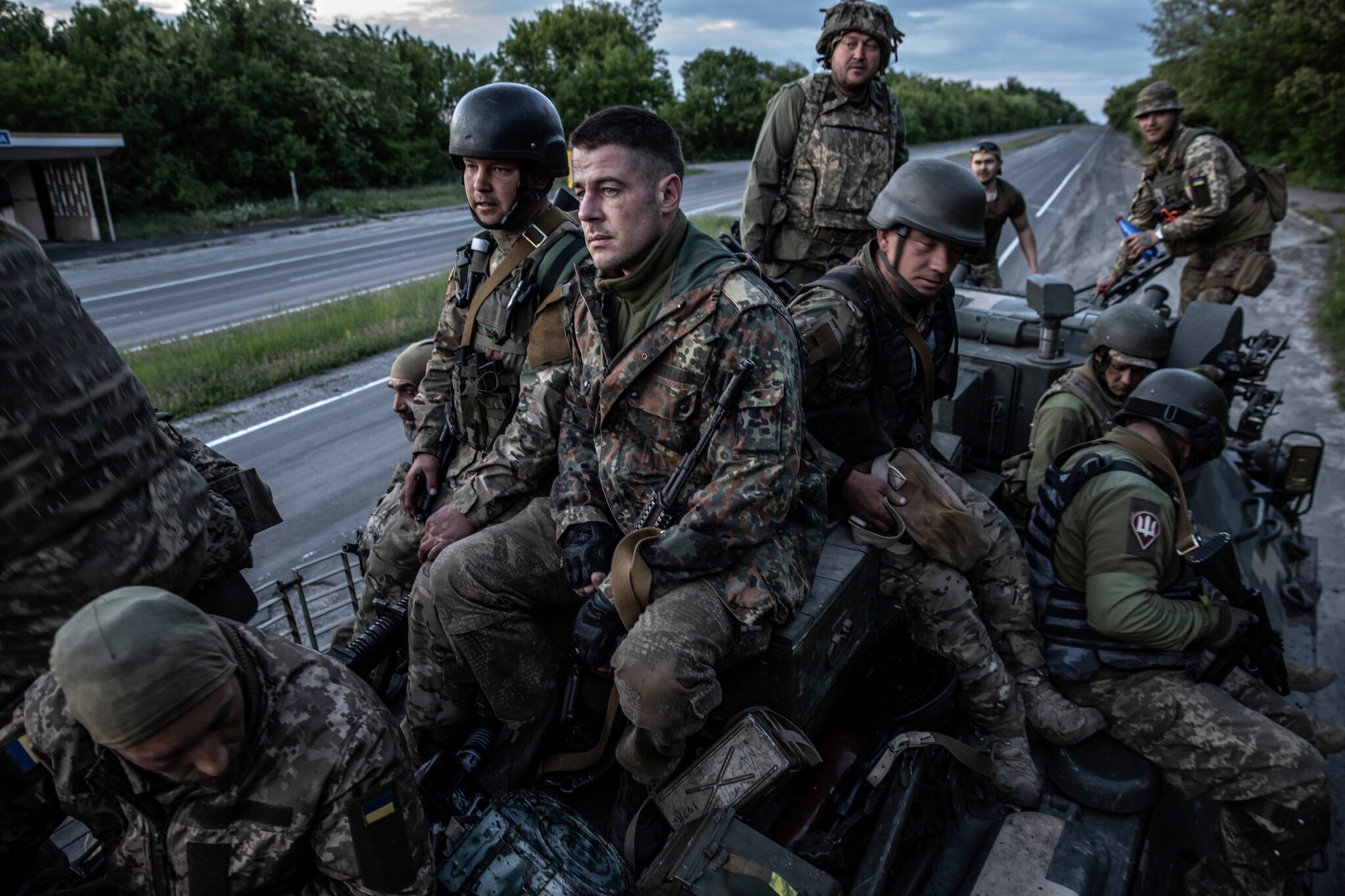
Another key aspect of the debate involves recognition of Ukraine’s military capabilities and adaptability.
Rapid Innovation on the Battlefield
Ukrainian forces have been noted for their ability to quickly adapt to changing conditions. This includes:
- Developing new tactics in response to evolving threats
- Integrating technology into battlefield operations
- Adjusting recruitment and personnel strategies
These efforts have been highlighted as examples of modern warfare innovation.
Lessons for the U.S. Army
According to military leadership, there are valuable insights that the U.S. Army could gain from Ukraine’s experience.
These include:
- Flexibility in command structures
- Faster adoption of emerging technologies
- Improved coordination between units
Such observations suggest that the Pentagon dispute over Ukraine policy is not only political but also strategic in nature.
Leadership Changes Spark Additional Debate
Beyond Ukraine policy, internal disagreements have extended to leadership decisions within the U.S. Army.
Dismissal of a Senior Army General
In early April, a significant leadership change occurred when the U.S. Army Chief of Staff, General Randy George, was removed from his position before the end of his expected term.
This decision drew attention within defense circles and raised questions about the reasons behind the move.
Mixed Reactions from Officials
During a congressional hearing, Secretary Dan Driscoll expressed strong respect for the dismissed general while acknowledging that civilian leadership has the authority to make such decisions.
This balanced response highlights:
- Respect for institutional hierarchy
- Recognition of civilian oversight in the military
- Ongoing uncertainty about internal decision-making processes
Acting Leadership Response
The acting successor, General Christopher LaNeve, declined to provide details about the dismissal when questioned during a hearing.
His response indicated that the matter falls under the authority of higher-level defense leadership, further emphasizing the complexity of internal Pentagon dynamics.
Broader Implications for U.S. Defense Strategy
The Pentagon dispute over Ukraine policy reflects wider challenges facing U.S. defense strategy in a rapidly changing global environment.
Balancing Domestic and International Priorities
One of the central issues in the debate is how the United States should balance its domestic needs with international commitments.
Key considerations include:
- Allocation of financial resources
- Military readiness and modernization
- Strategic alliances and partnerships
These factors play a critical role in shaping policy decisions.
Civil-Military Relations
The situation also underscores the importance of civil-military relations in the United States.
While civilian leaders set policy direction, military officials provide operational expertise. Differences in perspective are not uncommon, but they can influence how policies are implemented.
Impact on Allies and Global Perception
Diverging views within the U.S. government may also affect how allies perceive American commitments.
Consistency in policy is often seen as essential for maintaining trust and cooperation in international partnerships.
Timeline of Recent Developments
Understanding the Pentagon dispute over Ukraine policy requires looking at recent events:
- April 2023: Conflict in Ukraine continues to shape global security discussions
- Early April 2026: U.S. Army Chief of Staff General Randy George removed from position
- Mid-April 2026: Public statements reveal differing views among senior officials
- Congressional hearings: Military leaders provide testimony on Ukraine and defense priorities
This timeline highlights how quickly developments have unfolded and how they contribute to ongoing debates.
Key Takeaways from the Policy Dispute
The current situation can be summarized through several major points:
- Clear differences exist between political and military perspectives on Ukraine
- Ukraine’s military innovation is influencing U.S. strategic thinking
- Leadership changes within the Army are adding complexity to defense discussions
Together, these elements illustrate the multifaceted nature of the Pentagon dispute over Ukraine policy.
FAQ Section
What is the Pentagon dispute over Ukraine policy about?
It refers to differing views among U.S. officials on whether to continue supporting Ukraine and how that support should be structured.
Why did U.S. officials disagree on Ukraine support?
Some leaders prioritize reducing foreign spending, while others emphasize strategic partnerships and military cooperation.
What role does the U.S. Army play in Ukraine support?
The U.S. Army has been involved in providing assistance and learning from Ukraine’s battlefield innovations.
Why was the U.S. Army Chief of Staff removed?
The exact reason has not been publicly detailed, but the decision was made by civilian defense leadership, which has authority over military appointments.
Conclusion
The Pentagon dispute over Ukraine policy highlights ongoing debates within the U.S. government about foreign policy, military strategy, and leadership decisions. As differing perspectives continue to emerge, these discussions are likely to shape future defense priorities and international relations. The situation reflects the complexity of balancing strategic interests in an evolving global landscape.
Click here for more news