 0
0
 0
0
The US gas prices above $3 next year outlook has become a key economic concern as energy officials warn that fuel costs may not drop significantly in the near term. Despite signs that prices may have peaked, projections suggest that drivers could continue paying above $3 per gallon into the coming year.
Recent global events, particularly geopolitical tensions affecting oil supply, have played a major role in keeping fuel prices elevated across the United States.

Energy Secretary’s Outlook on Fuel Prices
US Energy Secretary Chris Wright has indicated that while gas prices may have reached their highest point, a return to lower levels could take time.
Expectations for Price Decline
According to Wright, fuel costs are expected to gradually decrease, but not immediately fall below the $3 threshold. He noted that:
- Prices could dip below $3 later in the year
- A more realistic timeline may extend into next year
- The current trend suggests a slow downward movement
The US gas prices above $3 next year scenario reflects ongoing uncertainty in the global energy market.
Current Average Fuel Prices
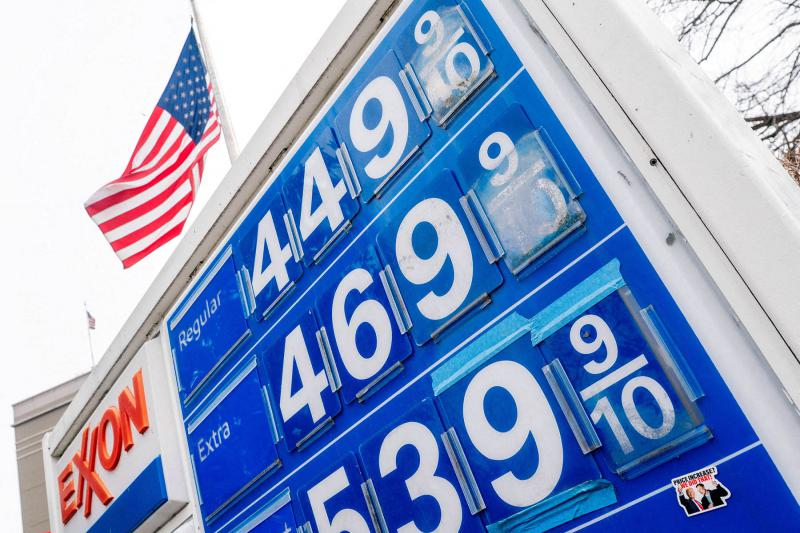
Recent data shows that the national average for a gallon of regular gas remains relatively high:
- Approximately $4.05 per gallon as of Sunday
- Compared to around $3.16 during the same period last year
This increase highlights the impact of global supply disruptions and rising demand.
Impact of Global Conflicts on Oil Supply
One of the major factors influencing the US gas prices above $3 next year forecast is the ongoing conflict involving Iran and its broader regional implications.
Disruptions in Oil Delivery
The conflict has affected key oil transportation routes, leading to:
- Reduced supply in international markets
- Increased costs for crude oil
- Higher refining and distribution expenses
These disruptions have contributed directly to rising fuel prices in the United States.
Broader Economic Implications
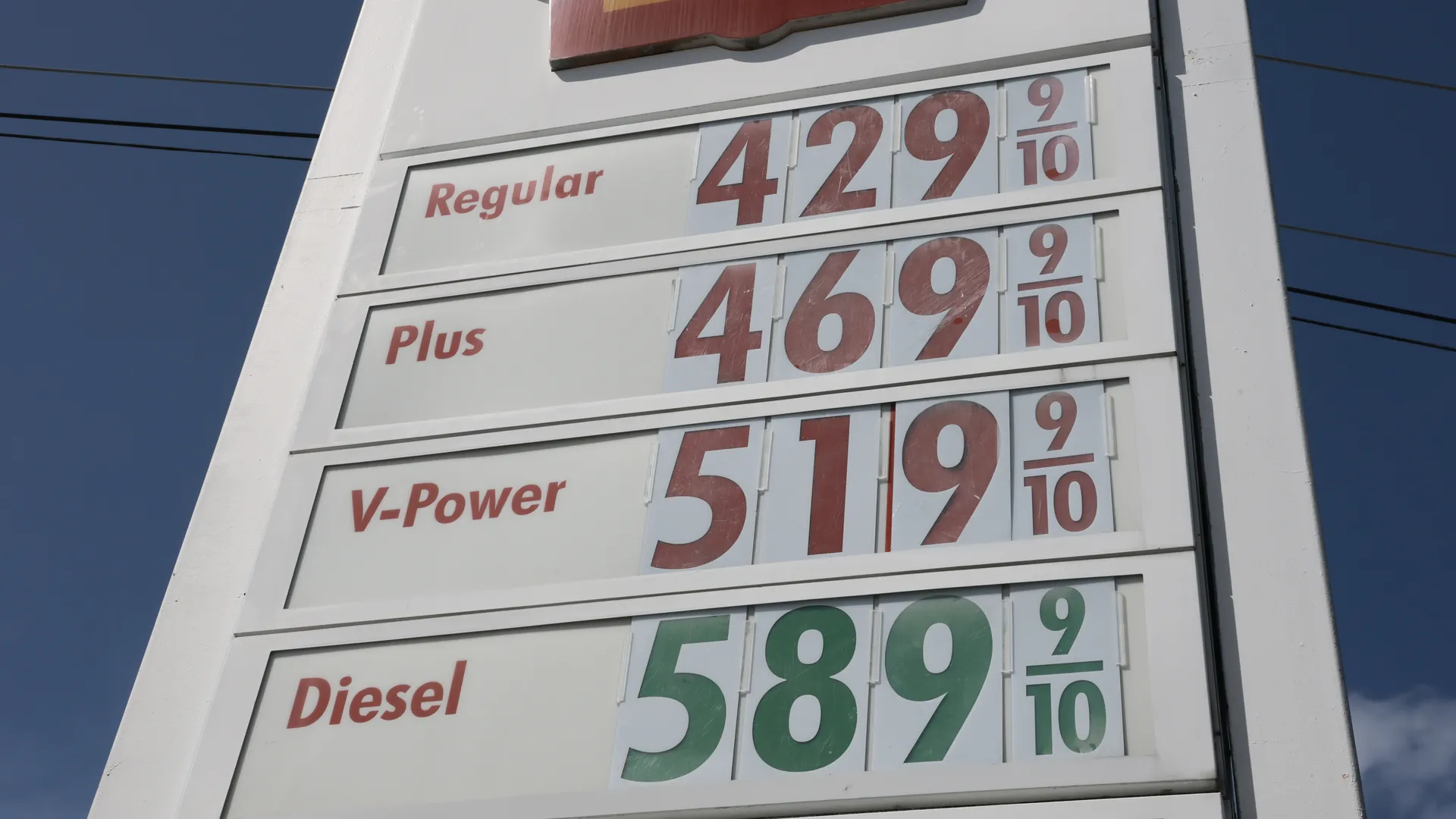
Higher gas prices can have a ripple effect across the economy, including:
- Increased transportation costs
- Higher prices for goods and services
- Pressure on household budgets
The US gas prices above $3 next year outlook is therefore not just an energy issue but a wider economic concern.
Differing Views Within the Administration
While there is general agreement that gas prices will eventually decline, officials have expressed varying timelines for when that might happen.
Short-Term vs Long-Term Projections
Some government officials believe that prices could fall sooner, while others expect a more gradual adjustment.
Key perspectives include:
- Predictions of prices reaching the $3 range during summer
- More cautious estimates extending into next year
- Agreement that current levels are not permanent
These differing views reflect the complexity of forecasting energy markets.
Political and Economic Context
Fuel prices are also a significant political issue, especially as elections approach. Rising costs can influence public opinion and economic confidence.
Factors at play include:
- Voter concerns about inflation
- Economic performance indicators
- Policy responses to global events
The US gas prices above $3 next year discussion is closely tied to these broader considerations.
Role of the Iran Conflict in Energy Markets
The ongoing conflict involving Iran has had a noticeable impact on global energy dynamics.
Influence on Oil Prices
The situation has contributed to:
- Volatility in oil markets
- Concerns about supply stability
- Increased speculation and pricing fluctuations
These factors have made it more difficult to predict when gas prices will stabilize.
Potential for Price Relief
Officials suggest that resolving the conflict could lead to:
- Improved oil supply chains
- Reduced geopolitical risk
- Lower fuel costs over time
This connection underscores the importance of global stability in determining energy prices.
Airline Industry and Jet Fuel Concerns
Beyond gasoline, the impact of rising oil prices is also being felt in the aviation sector.
Jet Fuel Supply Challenges
Airlines have raised concerns about potential shortages, driven by:
- Disruptions in oil delivery
- Increased demand for fuel
- Limited refining capacity
These challenges could affect flight operations and ticket prices.
Expected Improvements
Transportation officials have indicated that jet fuel availability is likely to improve as conditions stabilize. This could lead to:
- More consistent fuel supply
- Reduced costs for airlines
- Potentially lower travel expenses for consumers
The broader energy outlook suggests gradual improvement, though uncertainty remains.
What Drivers Can Expect Moving Forward
For everyday consumers, the US gas prices above $3 next year projection means continued attention to fuel costs.
Key Trends to Watch
Drivers should monitor:
- Changes in global oil prices
- Developments in international conflicts
- Government energy policies
These factors will influence how quickly gas prices decline.
Practical Considerations
While waiting for prices to fall, consumers may consider:
- Fuel-efficient driving habits
- Monitoring local price trends
- Planning travel with fuel costs in mind
Such steps can help manage expenses during periods of high prices.
FAQ Section
Why are US gas prices expected to stay above $3 until next year?
Gas prices remain elevated due to global supply disruptions, particularly linked to geopolitical conflicts affecting oil production and transportation.
What is the current average gas price in the US?
The national average is around $4.05 per gallon, which is significantly higher than the previous year.
Will gas prices eventually fall below $3 per gallon?
Officials believe prices will eventually drop below $3, but the timeline may extend into next year depending on market conditions.
How does global conflict affect gas prices in the US?
Conflicts can disrupt oil supply chains, increase crude oil prices, and create uncertainty in energy markets, leading to higher fuel costs.
Conclusion
The US gas prices above $3 next year outlook reflects a complex mix of global and domestic factors shaping the energy market. While there is optimism that prices have peaked and may decline, the timeline for significant relief remains uncertain. As geopolitical conditions evolve and supply chains stabilize, consumers may eventually see lower prices, but for now, fuel costs are expected to remain relatively high.
Click here for more news