 0
0
 0
0
The 7.4 magnitude earthquake Japan coast event has drawn immediate global attention after a powerful tremor struck off the eastern shoreline of Japan. According to early seismic data, the earthquake occurred offshore, raising concerns about potential aftershocks and regional safety.
Authorities and monitoring agencies are continuing to assess the situation as more details emerge. The quake’s location in a seismically active zone highlights ongoing risks in the region.
Earthquake Details and Location
The earthquake was recorded on Monday, with initial reports confirming its magnitude at 7.4. This places it among the stronger seismic events capable of causing significant disruption, depending on depth and proximity to land.
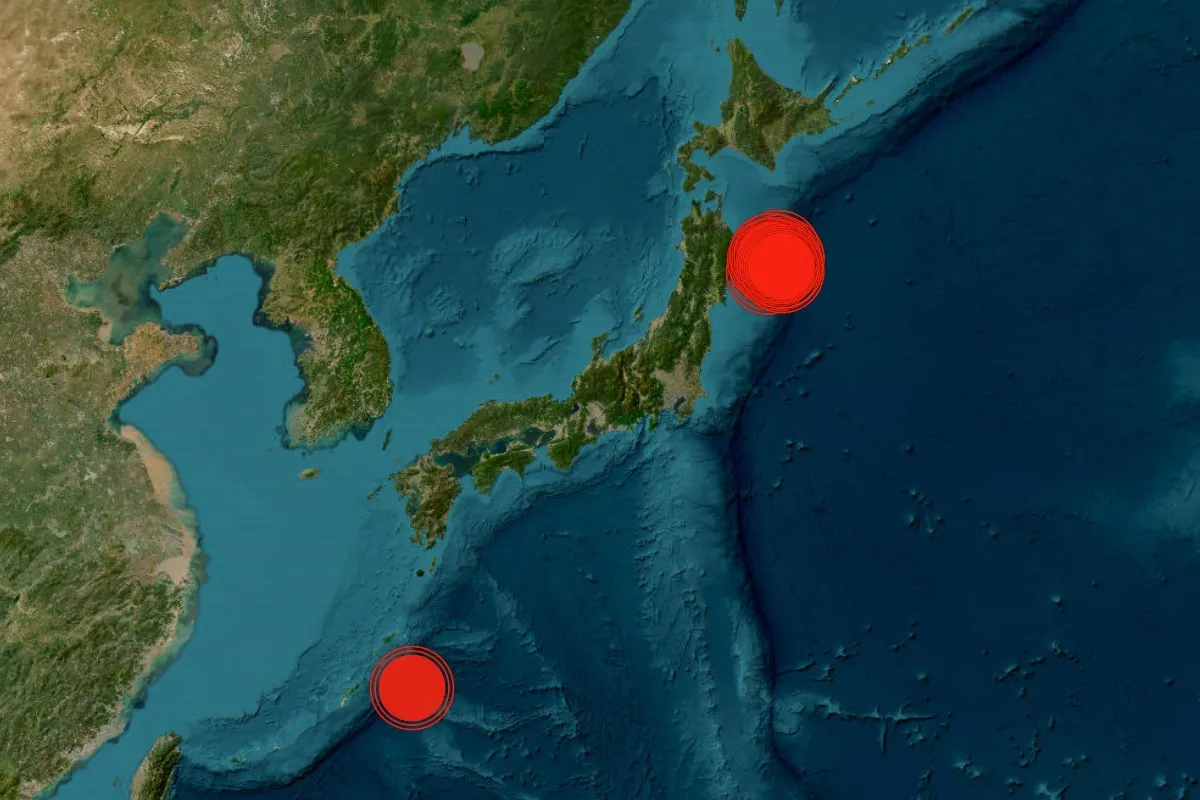
Epicenter Near Miyako Coastline
Preliminary analysis indicates that the quake occurred approximately:
- 100 kilometers (62 miles) off the eastern coast of Miyako
- In the Pacific Ocean region bordering northeastern Japan
This offshore positioning can sometimes reduce direct damage on land, but it still poses risks, especially if the seismic activity triggers secondary hazards.
Depth and Seismic Characteristics
While full technical details are still being evaluated, earthquakes of this magnitude typically involve:
- Sudden movement along tectonic plate boundaries
- Release of accumulated geological stress
- Potential for strong aftershocks in surrounding areas
The 7.4 magnitude earthquake Japan coast incident is consistent with tectonic activity in the Pacific Ring of Fire.
Japan’s Seismic Activity and Risk Factors
Japan is one of the most earthquake-prone countries in the world due to its geographic position. The country sits at the intersection of multiple tectonic plates, making it highly susceptible to frequent seismic events.
The Pacific Ring of Fire
The Pacific Ring of Fire is a major area in the Pacific Ocean basin known for:
- High levels of seismic activity
- Frequent earthquakes and volcanic eruptions
- Complex tectonic plate interactions
The 7.4 magnitude earthquake Japan coast event is part of this broader geological pattern.
Preparedness and Early Warning Systems
Japan has developed advanced systems to detect and respond to earthquakes. These include:
- Nationwide early warning alerts
- Strict building codes designed to withstand tremors
- Public education on emergency preparedness
Such measures play a critical role in reducing casualties and damage during major earthquakes.
Potential Impact and Immediate Concerns
Although the earthquake occurred offshore, authorities are closely monitoring its potential effects on nearby regions.
Risk of Aftershocks
Aftershocks are common following large earthquakes and can sometimes cause additional damage. In this case, experts warn that:
- Multiple aftershocks may occur in the coming hours or days
- Some aftershocks could be strong enough to be felt on land
- Structural stability may be affected in already weakened areas
The 7.4 magnitude earthquake Japan coast situation remains under observation for this reason.
Tsunami Assessment
One of the primary concerns with offshore earthquakes is the possibility of a tsunami. While not all undersea earthquakes generate tsunamis, monitoring agencies typically evaluate:
- Seafloor displacement
- Earthquake depth and intensity
- Wave activity following the event
At this stage, no confirmed tsunami impact has been widely reported, but monitoring continues as a precaution.
Response and Monitoring Efforts
Seismic agencies and local authorities have been quick to respond following the earthquake.
Role of Monitoring Agencies
Organizations such as the U.S. Geological Survey (USGS) and Japan’s meteorological authorities are:
- Collecting real-time seismic data
- Updating magnitude and location estimates
- Issuing alerts if necessary
The 7.4 magnitude earthquake Japan coast report is based on preliminary findings, which may be refined as more data becomes available.
Emergency Preparedness Measures
Local authorities may implement precautionary measures, including:
- Advisories for coastal communities
- Inspection of infrastructure such as bridges and ports
- Coordination with emergency services
These actions are part of standard protocols following significant seismic activity.
Historical Context of Earthquakes in Japan
Japan has experienced several major earthquakes throughout its history, many of which have shaped its disaster response strategies.
Notable Past Earthquakes
Some significant past events include:
- The 2011 Tōhoku earthquake and tsunami
- The 1995 Kobe earthquake
- Various offshore quakes along the northeastern coast
Each event has contributed to improvements in safety standards and emergency planning.
Lessons Learned and Improvements
From previous disasters, Japan has strengthened:
- Building resilience through engineering innovations
- Disaster response coordination
- Public awareness and evacuation procedures
The 7.4 magnitude earthquake Japan coast incident will likely be analyzed within this broader context.
What Happens Next
As this is a developing situation, further updates are expected in the coming hours and days.
Ongoing Investigations
Authorities will continue to:
- Analyze seismic data for accuracy
- Monitor aftershock patterns
- Assess any damage or disruption
This ensures that the public receives timely and accurate information.
Public Safety Recommendations
Residents in affected or nearby areas are generally advised to:
- Stay alert for official updates
- Follow local emergency guidance
- Be prepared for possible aftershocks
Such precautions are essential in minimizing risk following a major earthquake.
FAQ Section
Where did the 7.4 magnitude earthquake occur in Japan?
The earthquake occurred about 100 kilometers off the eastern coast of Miyako, in northeastern Japan.
Is there a tsunami risk after the earthquake?
Authorities are monitoring for tsunami activity, but not all offshore earthquakes result in tsunamis.
Why does Japan experience frequent earthquakes?
Japan is located along the Pacific Ring of Fire, where multiple tectonic plates meet, leading to frequent seismic activity.
Could there be aftershocks following the earthquake?
Yes, aftershocks are common after major earthquakes and may continue for several days or longer.
Conclusion
The 7.4 magnitude earthquake Japan coast event underscores the ongoing seismic risks faced by Japan due to its geographic location. While the offshore nature of the quake may limit immediate damage, authorities remain vigilant in monitoring aftershocks and potential secondary effects. Continued updates will provide a clearer understanding of the situation and its impact.
Click here for more news