

 0
0
 0
0
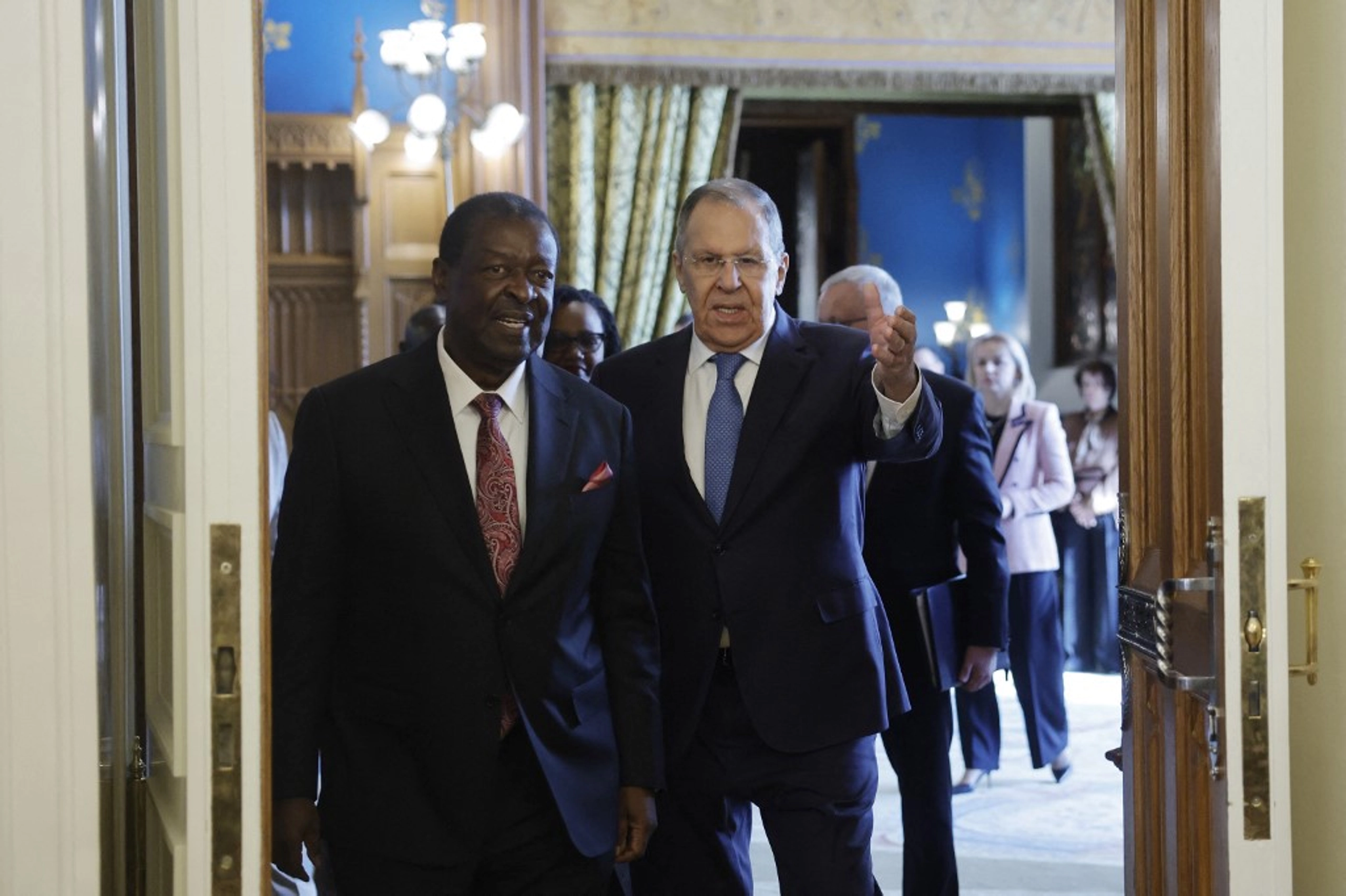
Kenya FM Moscow Russian army press-ganging is at the center of a diplomatic effort as Kenya’s Foreign Minister Musalia Mudavadi travels to Moscow to address reports of Kenyan citizens forcibly conscripted by the Russian military.
Mudavadi’s visit aims to secure the repatriation of Kenyans who were promised civilian employment but coerced into fighting in Ukraine. The move follows concerns raised by Kenyan authorities about more than 1,000 nationals allegedly affected.
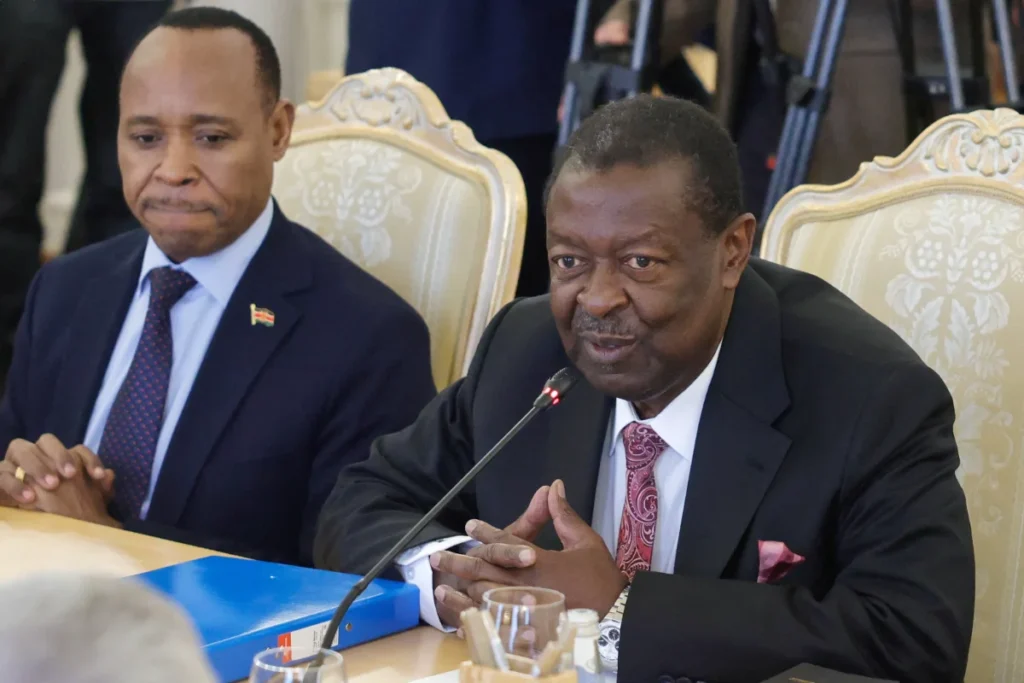
Kenya FM Moscow Russian Army Press-Ganging: Diplomatic Talks Planned
During his visit, Mudavadi is scheduled to meet several senior Russian officials, including Foreign Minister Sergey Lavrov.
Key Objectives of the Mission
-
Secure safe return of Kenyans trapped in Russia
-
Address forced conscription allegations
-
Negotiate agreements for legitimate civilian employment access in Russia
-
Ensure Kenyan workers abroad live in dignified and safe conditions
The Kenyan foreign ministry highlighted that the outreach “will include a push for the facilitation of the affected Kenyans through a safe process for their repatriation.”
How Kenyans Were Lured to Russia
Reports indicate that many Kenyan citizens were enticed with promises of well-paid work in Russia. Upon arrival, some found themselves press-ganged into military service for the Russian army, often with minimal training.
Scope of the Issue
-
Kenyan intelligence services estimate over 1,000 citizens may have been recruited
-
Similar cases in South Africa involved 15 citizens requesting repatriation from the Donbas region
-
Public outcry in Kenya has intensified, with politicians condemning Russia’s actions
Mudavadi’s deputy Abraham Korir Sing’Oei described the use of Kenyans in the Russian army as “unacceptable” and likened it to using them as “cannon fodder.”
Repatriation Efforts and Government Coordination
Kenya’s diplomatic strategy focuses on protecting citizens abroad and ensuring a safe working environment.
Steps Planned in Moscow
-
Coordinated talks with Russian government officials
-
Formal repatriation channels for affected citizens
-
Negotiation for transparent civilian work permits to prevent future conscription
The Kenyan foreign ministry emphasized that engagement with Moscow aims at a “broad coordinated government action to protect Kenyans abroad.”
Lessons from Other African Nations
South Africa’s recent success in repatriating 15 citizens highlights the importance of direct government intervention in such cases.
Implications for Kenya
-
Urgent diplomatic engagement is necessary
-
Preventing press-ganging requires ongoing monitoring of employment offers abroad
-
Kenya FM Moscow Russian army press-ganging highlights the broader challenge of protecting citizens from exploitation
International Reaction and Diplomatic Context
The forced conscription of foreign nationals has generated international concern. Governments are increasingly aware of the risks facing migrant workers recruited under false pretenses.
Broader Diplomatic Concerns
-
Safeguarding citizens in conflict zones
-
Maintaining transparency and accountability for employment abroad
-
Coordinating with host countries to prevent military exploitation
Kenya’s mission in Moscow will likely set a precedent for other countries seeking repatriation of citizens pressured into military service abroad.
FAQ
Why is Kenya FM visiting Moscow?
To halt the Russian army press-ganging of Kenyan citizens and secure their safe repatriation from Russia.
How were Kenyans recruited?
Many were lured with promises of well-paid civilian work, only to be coerced into military service in Ukraine.
How many Kenyans are affected?
Kenya’s intelligence services estimate more than 1,000 citizens have been recruited, while South Africa has reported at least 15 similar cases.
What actions are planned by Kenya’s government?
Negotiations include repatriation, safer civilian employment agreements, and protection measures for citizens abroad.
Conclusion
The Kenya FM Moscow Russian army press-ganging case underscores growing concerns about the safety of migrant workers and foreign nationals in conflict zones. Kenya’s proactive diplomatic engagement aims to secure the return of affected citizens and prevent further exploitation. The situation also highlights the importance of government oversight in international employment and the protection of citizens abroad.
PLEASE CLICK HERE FOR MORE NEWS


[…] Kenya Uganda railway extension project 2026 represents a renewed push for regional infrastructure […]