 0
0
 0
0
Lebanon blue shield heritage protection has been implemented across dozens of archaeological locations as authorities attempt to safeguard the country’s historic treasures during ongoing regional conflict.
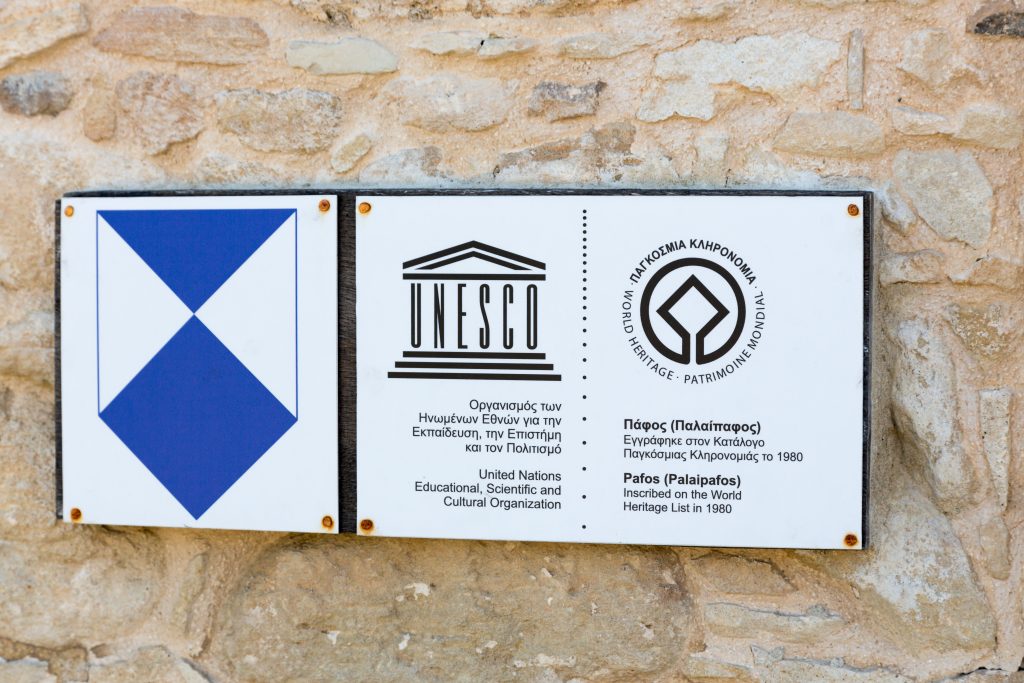
The initiative involves placing internationally recognized Blue Shield symbols on archaeological and cultural sites throughout Lebanon. These symbols are intended to alert combatants that the locations are protected cultural heritage areas under international law.
Officials say the step is designed to reduce the risk of destruction to historic landmarks while hostilities continue in parts of the region.
Lebanon Marks 34 Archaeological Sites for Wartime Protection
The Lebanese Ministry of Culture confirmed that 34 archaeological sites across the country have now been marked with Blue Shield symbols.
The action aligns with international obligations under the 1954 Hague Convention for the Protection of Cultural Property in the Event of Armed Conflict, a treaty designed to preserve historic monuments, museums, and cultural landmarks during wartime.
Authorities say the markings serve several purposes:
-
Alerting military forces to the protected status of heritage sites
-
Encouraging compliance with international humanitarian law
-
Preventing accidental damage during military operations
Cultural officials emphasize that the Lebanon blue shield heritage protection plan represents an urgent attempt to prevent further destruction to cultural assets that have survived centuries.
What the Blue Shield Symbol Means
The Blue Shield emblem is internationally recognized as a protective sign for cultural property.
Key functions include:
-
Identifying protected historic locations
-
Signaling compliance with international cultural preservation agreements
-
Helping military forces avoid targeting culturally significant areas
The emblem functions similarly to the Red Cross symbol used to mark medical facilities during armed conflicts.
Legal Basis: The 1954 Hague Convention
The protection effort is rooted in the 1954 Hague Convention, one of the most important global agreements governing the protection of cultural property during armed conflict.
Under the convention:
-
Cultural sites must not be targeted during war
-
Parties to the conflict must avoid military use of heritage locations
-
Damage to cultural heritage should be prevented whenever possible
Lebanon’s move to deploy the Blue Shield symbol reinforces its commitment to these international obligations.
Ongoing Conflict Raises Concerns for Cultural Heritage
Lebanon’s heritage protection effort comes amid escalating tensions and military activity in parts of the country.
Several cultural sites and institutions have already experienced damage since the conflict intensified.
Officials say these incidents highlight the importance of the Lebanon blue shield heritage protection initiative.
Damage Reported Near Historic Sites
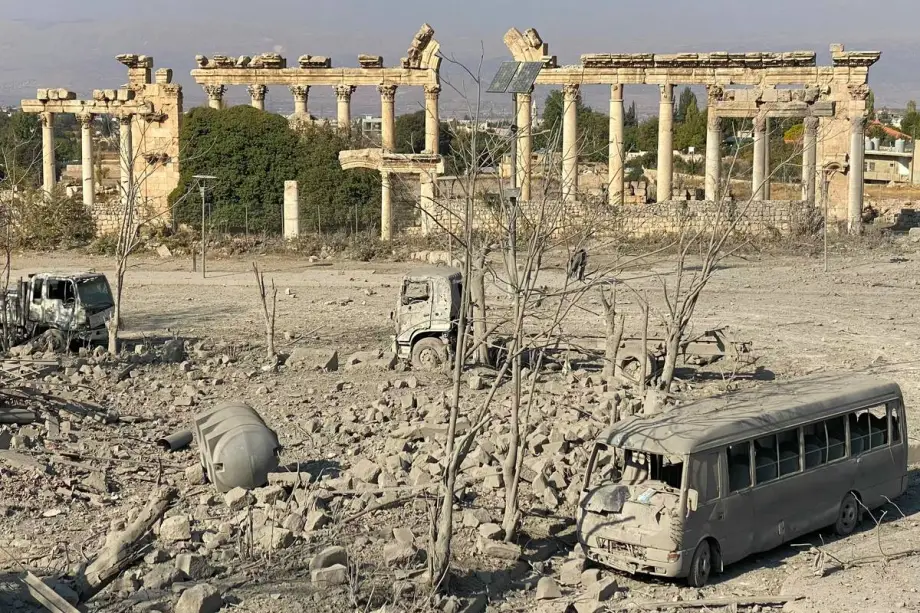
Authorities reported damage near the Al-Bass archaeological site in Tyre, a location known for its ancient Roman ruins and historical importance.
The area contains:
-
A large Roman necropolis
-
Ancient colonnaded roads
-
Remains of Roman-era architecture
While the site itself remains largely intact, nearby destruction raised concerns about the vulnerability of heritage locations during conflict.
Libraries and Cultural Institutions Also Affected
The war has also affected cultural infrastructure across Lebanon.
Officials reported damage involving multiple public libraries, including:
-
3 libraries completely destroyed
-
Approximately 10 libraries partially damaged
These institutions serve as key centers for education and cultural preservation, particularly in local communities.
The impact on libraries has increased concern about the long-term cultural effects of the conflict.
Additional Heritage Sites May Receive Protection
Authorities say the Lebanon blue shield heritage protection program could soon expand to include more cultural landmarks.
Government officials are currently working with international organizations to pursue additional protections.
Proposal for 30 More Protected Sites
Lebanese cultural authorities are seeking enhanced protection for 30 additional heritage locations.
The effort includes plans to request an extraordinary meeting of the World Heritage Committee, which could grant broader protection to key historical landmarks.
If approved, the expansion would significantly increase the number of protected cultural locations across the country.
Cooperation With International Organizations
The Ministry of Culture has also strengthened communication with international heritage bodies.
Steps include:
-
Coordinating with global cultural preservation organizations
-
Seeking international oversight for heritage protection
-
Requesting technical assistance to safeguard archaeological sites
Officials say international cooperation will be essential to ensuring the success of the Lebanon blue shield heritage protection strategy.
Lebanon’s Rich Archaeological Landscape
Lebanon is widely regarded as one of the most historically rich regions in the Middle East.
Its cultural landscape reflects thousands of years of civilization, including influences from:
-
Phoenician settlements
-
Roman imperial rule
-
Byzantine cultural development
-
Islamic and Ottoman heritage
Many of the country’s archaeological sites date back more than two millennia.
Key Historic Locations in Lebanon
Several Lebanese landmarks are internationally recognized for their cultural importance.
Examples include:
-
Baalbek’s Roman temples
-
Tyre’s archaeological ruins
-
Byblos, one of the world’s oldest continuously inhabited cities
-
Sidon’s ancient port and fortifications
These sites attract researchers, historians, and tourists from around the world.
Protecting them during times of conflict is considered essential to preserving global cultural heritage.
Why Cultural Heritage Protection Matters
Experts emphasize that protecting heritage sites is about more than safeguarding tourism or architecture.
Cultural landmarks provide:
-
Historical records of ancient civilizations
-
Educational resources for future generations
-
Symbols of national identity and shared history
Damage to such sites can erase irreplaceable historical knowledge.
The Lebanon blue shield heritage protection initiative therefore reflects a broader international effort to prevent cultural loss during war.
Educational Support Programs for Displaced Children
In addition to protecting archaeological sites, the Ministry of Culture is launching programs to assist children displaced by the conflict.
Many families have been forced to leave their homes, disrupting schooling for thousands of students.
Library-Based Learning Initiatives
Officials announced plans to launch educational programs in 12 public libraries.
The programs aim to:
-
Provide learning spaces for displaced students
-
Offer reading and educational activities
-
Support children unable to attend regular school classes
The initiative could later expand to around 50 libraries affiliated with the Ministry of Culture.
Cultural Institutions as Community Support Centers
Libraries and cultural centers are expected to serve as temporary learning hubs for young people affected by the conflict.
Authorities hope the initiative will help maintain access to education despite ongoing disruptions.
Programs may include:
-
Reading sessions and tutoring
-
Cultural workshops and storytelling events
-
Access to educational materials
These activities aim to reduce the educational impact of displacement while keeping children connected to Lebanon’s cultural heritage.
FAQ
Why is Lebanon marking archaeological sites with blue shields?
The blue shields identify protected cultural sites under international law, helping prevent damage to historical landmarks during armed conflict.
What is the 1954 Hague Convention for cultural protection?
The 1954 Hague Convention is an international treaty designed to protect cultural property such as museums, monuments, and archaeological sites during war.
How many sites are included in Lebanon’s blue shield heritage protection program?
Currently, 34 archaeological sites have been marked, with proposals to extend protection to about 30 additional heritage locations.
Which cultural institutions have been affected by the conflict?
Several public libraries and cultural centers have been damaged, including three libraries destroyed and around ten partially damaged.
Conclusion
Lebanon’s decision to implement Lebanon blue shield heritage protection highlights growing international concern over the preservation of cultural heritage during armed conflict. By marking archaeological sites with internationally recognized symbols and seeking additional protections, authorities aim to reduce the risk of irreversible cultural loss. The effort reflects broader global initiatives to safeguard historic landmarks and maintain access to education and cultural institutions even in times of crisis.