 0
0
 0
0
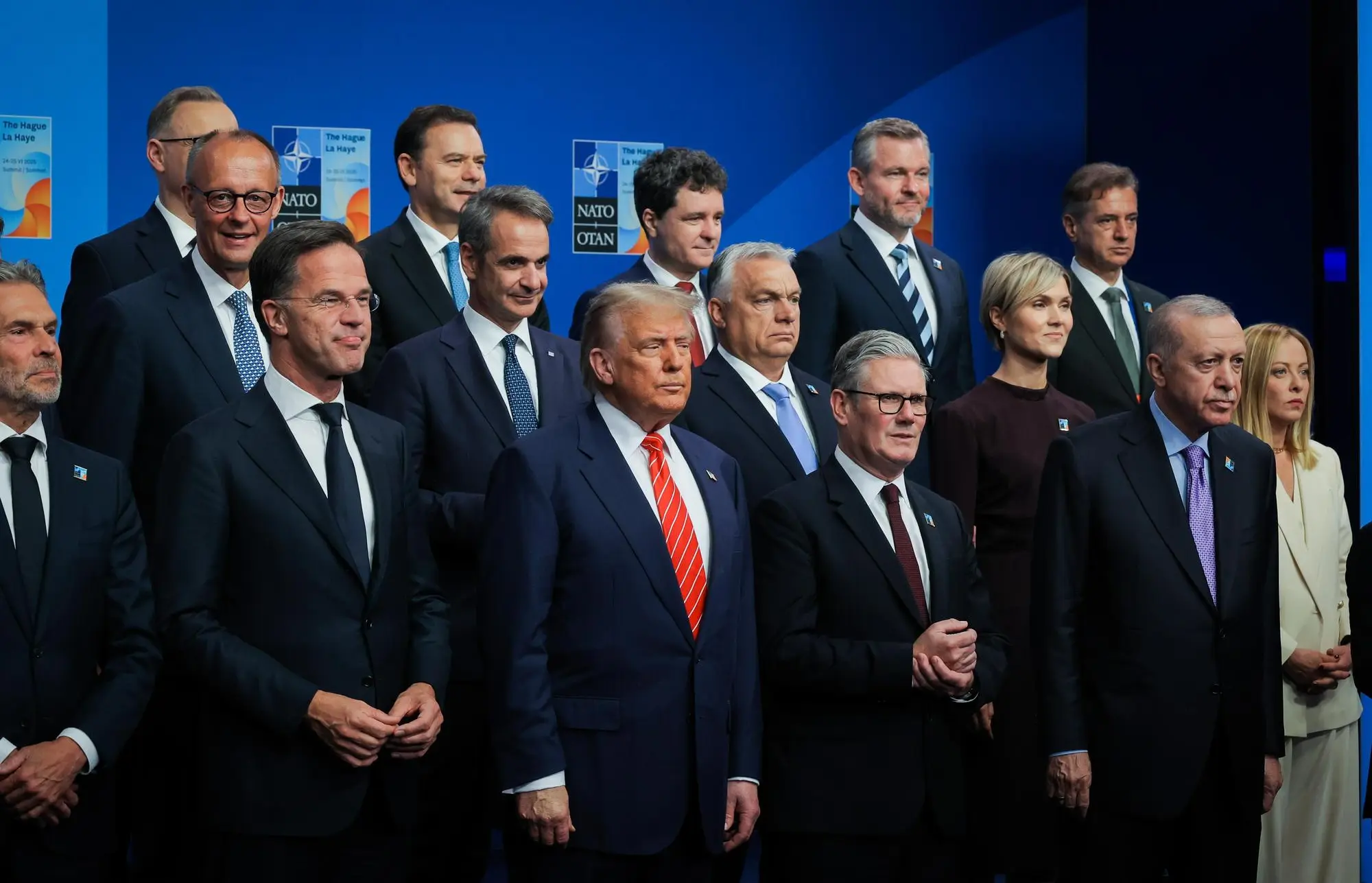
NATO is facing one of the most serious challenges in its 76 year history. Recent tensions between the United States and its European allies have raised renewed questions about the alliance’s future, particularly following President Donald Trump’s renewed pressure campaign involving Greenland and trade tariffs against Europe.
While the dispute over Greenland has drawn headlines, it reflects a deeper and more structural problem within NATO. At the core of the crisis lies a growing divide between Washington and European capitals over how serious a threat Russia poses to the alliance.
The Greenland Dispute and Alliance Strain
Over the weekend, President Trump threatened to impose punitive tariffs on European allies unless they supported his efforts to acquire Greenland, a semi autonomous territory of Denmark. European leaders strongly criticized the move, warning that coercion against a NATO member could severely damage the transatlantic relationship.
Denmark’s prime minister has previously cautioned that any forced seizure of Greenland would fundamentally undermine NATO. However, analysts argue that this territorial dispute is not the root cause of the alliance’s instability but rather a symptom of deeper disagreements.

A Fundamental Divide Over Russia
The most serious challenge facing NATO today is a widening gap between the United States and Europe over the nature of the Russian threat. Many European governments believe a future war with Russia is increasingly likely and view Moscow as an existential danger to continental security.
By contrast, key figures in Washington and within the Trump administration do not see Russia as a direct or long term military threat to the United States. They also question whether Moscow has expansionist ambitions toward the rest of Europe. This difference in threat perception has strained alliance unity and complicated joint planning.
Roots of the Rift Before Trump
Although Trump’s rhetoric has made these tensions more visible, the divide did not begin with his return to office. During the Biden administration, disagreements emerged over how far the United States should go in supporting Ukraine.
European leaders consistently called for increased military aid, expanded missile use, and even direct involvement such as no fly zones. Washington, however, adopted a more cautious approach, reflecting its assessment that the war, while serious, did not threaten core US interests.
Despite public messaging that emphasized unity, the United States increasingly shifted its strategic focus away from Russia and toward China.
A More Open Break Under Trump
Under Trump, alliance disagreements have become more explicit. Early in his second term, Trump held multiple phone calls with Russian President Vladimir Putin that emphasized potential cooperation between the two countries. This approach contrasted sharply with European efforts to isolate Moscow diplomatically.
The divide has been especially visible over Ukraine. Washington has pushed for a rapid peace settlement that would require limited concessions from Russia. European governments, however, fear that anything short of a decisive Russian defeat would invite future aggression, potentially targeting NATO members.
Disagreements Over Hybrid Threats
The split extends beyond Ukraine. European allies have reacted with alarm to Russian hybrid actions, including sabotage incidents, drone activity, and airspace incursions. Several NATO members have invoked consultations under Article 4 and called for stronger deterrent measures.
The Trump administration has largely rejected these calls. In one case involving drones entering Polish airspace, the US response was restrained, with officials suggesting the incident may not have been intentional. Washington has also reduced troop rotations in Romania and scaled back participation in NATO exercises.
Shifting Commitment to Article 5
Trump’s view of NATO’s collective defense commitment appears more conditional than that of previous US presidents. He has repeatedly suggested that US protection may depend on whether allies meet defense spending expectations.
When asked about defending NATO airspace against Russian aircraft, Trump responded that such decisions would depend on circumstances. While controversial, this stance reflects broader public skepticism in the United States toward prolonged military commitments abroad.
Signals from US Strategic Policy
The Trump administration’s National Security Strategy released in December 2025 reinforced these concerns. The document did not identify Russia as a major threat and moved away from traditional great power competition language.
Notably, the strategy referred to NATO in ways that suggested growing distance between the United States and the alliance. While US forces continue to play a central role within NATO, the document highlighted a clear shift in Washington’s strategic priorities.
What This Means for NATO’s Future
If tensions over Greenland ultimately damage NATO, they will likely serve as the final trigger rather than the underlying cause. Even if the dispute is resolved, the alliance faces an uncertain future as long as its members fundamentally disagree about their primary security threat.
Military alliances rely on shared threat perceptions. When Europe fears a potential Russian attack on the Baltic states and the United States does not, effective collective planning becomes increasingly difficult.
Conclusion
NATO’s survival may depend less on individual disputes and more on whether the United States and Europe can realign their strategic priorities. While security interests are diverging, cooperation with Europe continues to offer Washington economic, technological, and diplomatic advantages.
Rebuilding the transatlantic relationship around these shared interests, rather than pursuing coercive policies against allies, may determine whether NATO remains viable in the years ahead.