 0
0
 0
0
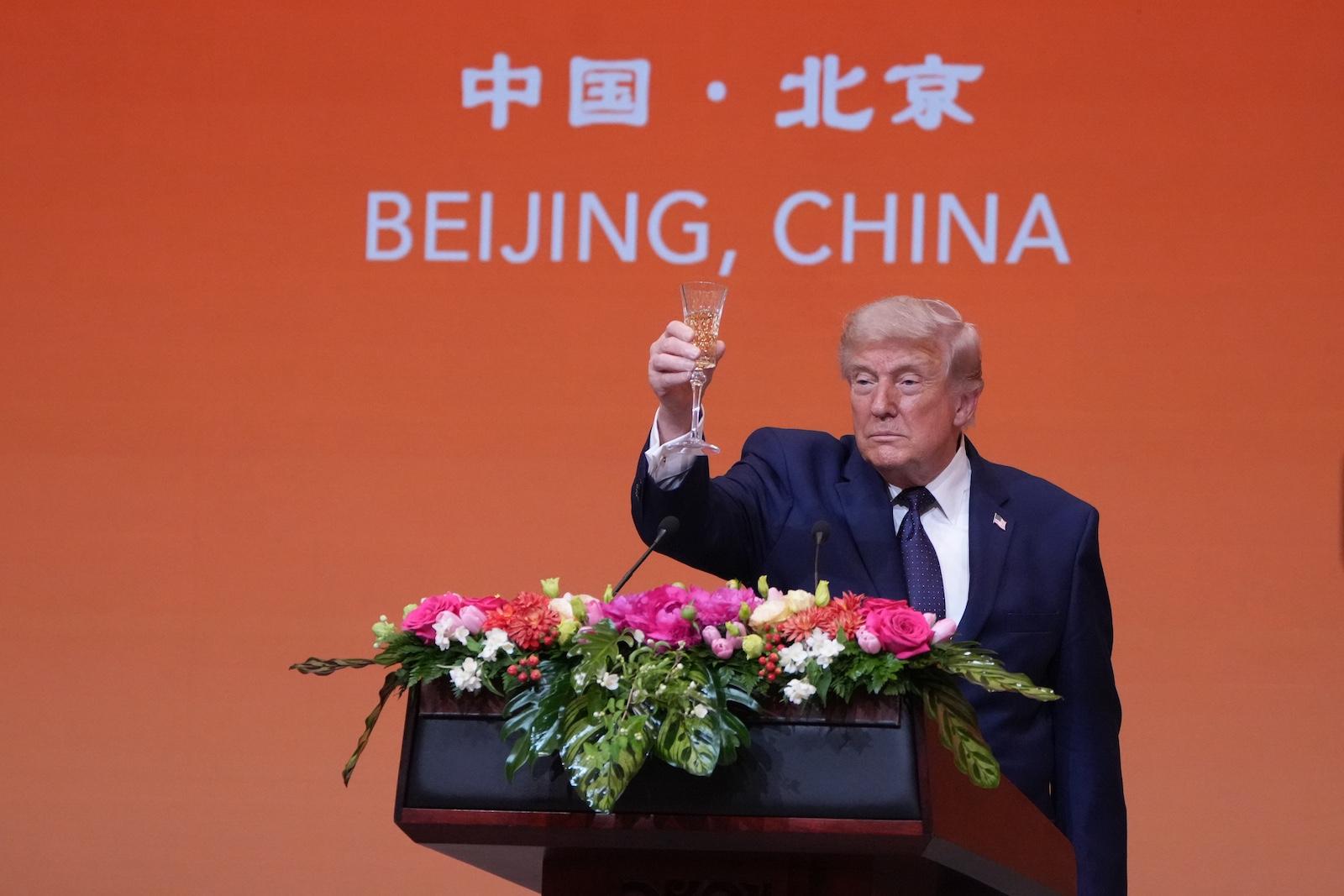
Trump Taiwan independence warning sparked a swift response from Taiwan’s foreign ministry after the US president commented on the island’s political status during a state visit to Beijing.
The Trump Taiwan independence warning has significant implications for the island’s future relations with China.
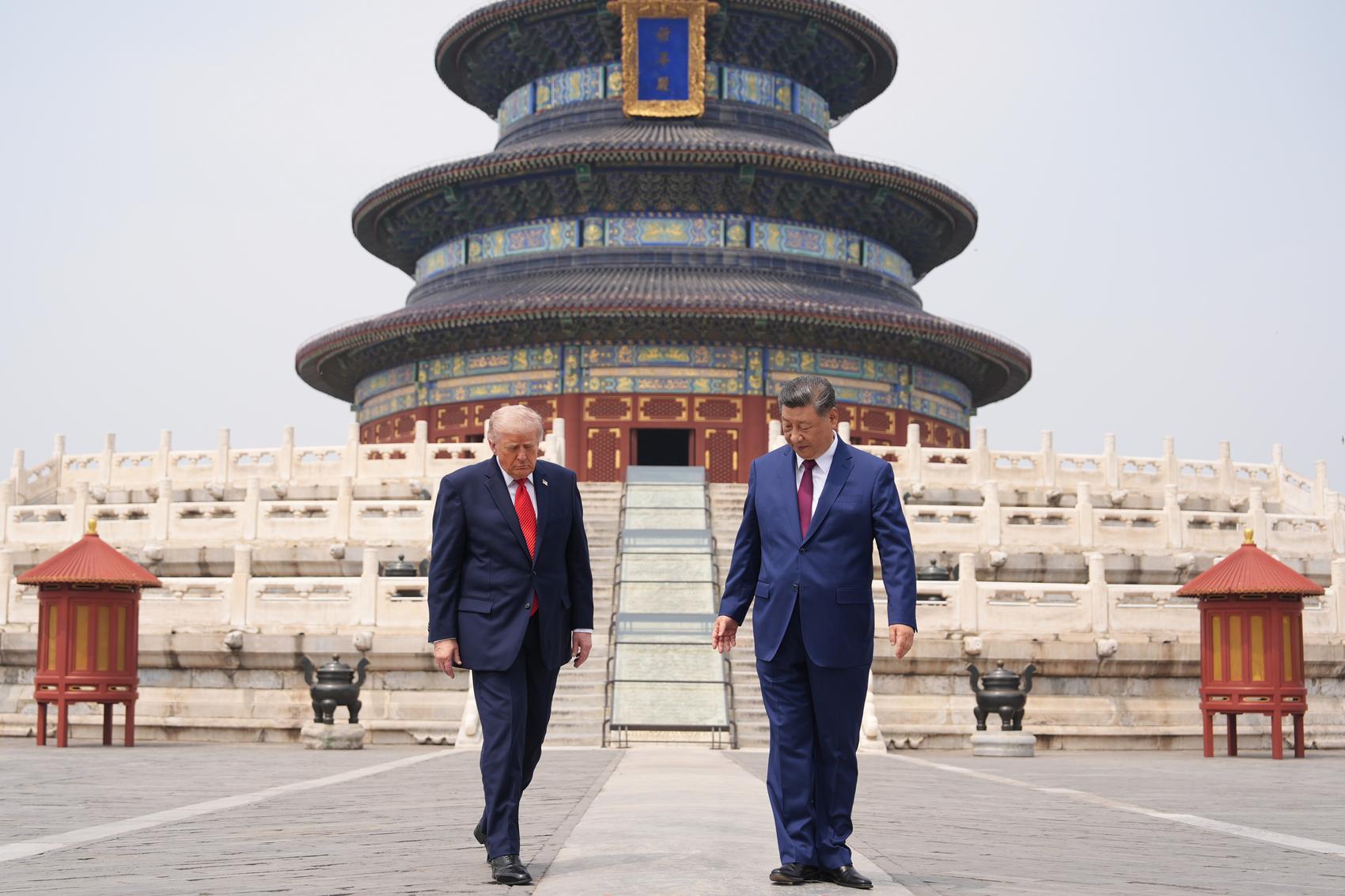
Speaking in an interview with Fox News, US President Donald Trump said he did not support Taiwan formally declaring independence from China. His remarks have renewed international attention on the fragile relationship between Washington, Taipei, and Beijing.
His comment about the Trump Taiwan independence warning has stirred debates about Taiwan’s political stance.
Taiwan later issued a statement reaffirming that it remains a sovereign democratic nation and insisted that China has no authority over the island.
This further emphasizes the impact of the Trump Taiwan independence warning on Taiwan’s sovereignty.
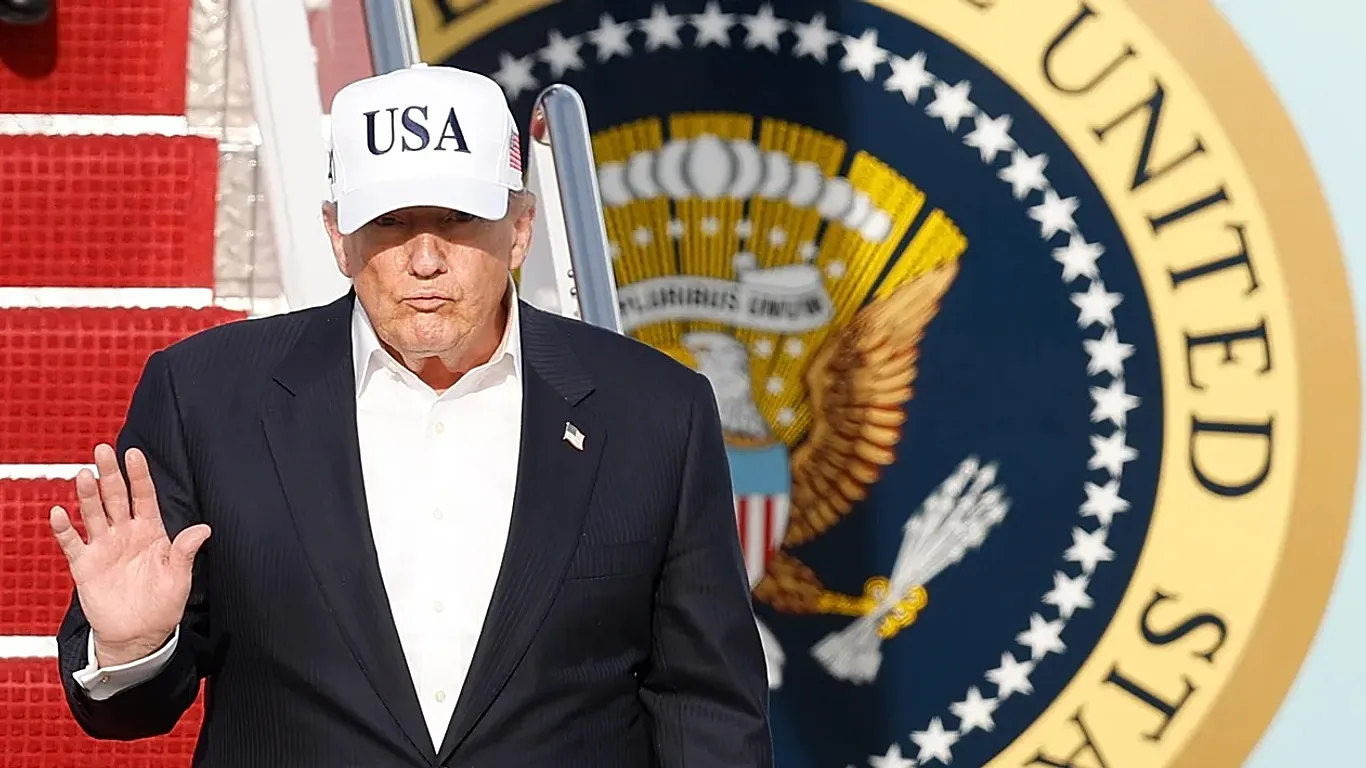
Trump Comments Raise Fresh Taiwan Questions
During his visit to China, Trump addressed tensions surrounding Taiwan and US military commitments in the Indo-Pacific region.
Many experts are analyzing the Trump Taiwan independence warning and its effects on regional dynamics.
The US president said he preferred stability and wanted both Taiwan and China to avoid escalating tensions.
The Trump Taiwan independence warning has prompted Taiwan to reinforce its defense strategies.
Trump Calls for Both Sides to “Cool Down”
Trump stated:
“I’m not looking to have somebody go independent and, you know, we’re supposed to travel 9,500 miles to fight a war. I’m not looking for that.”
He also added:
He reiterated the importance of stability, especially in light of the Trump Taiwan independence warning.
“I want them to cool down. I want China to cool down.”
The comments quickly attracted global attention because of the sensitive nature of Taiwan’s political status and longstanding US-China tensions.
The ramifications of the Trump Taiwan independence warning extend beyond just political discourse.
US Position on Taiwan Remains Closely Watched
Although Trump said US policy toward Taiwan had not changed, his remarks appeared to question how far the United States should go in defending the island if conflict breaks out with China.
This statement comes amidst the backdrop of the Trump Taiwan independence warning and its implications.
Washington has traditionally maintained a delicate balance under its “One China” policy while still supporting Taiwan’s defense capabilities.
The Trump Taiwan independence warning has therefore fueled fresh debate over America’s commitment to regional security in East Asia.
Discussions surrounding the Trump Taiwan independence warning continue to evolve.
Taiwan Reaffirms Sovereignty After Trump Remarks
Taiwan’s foreign ministry responded publicly on Saturday, emphasizing that Taiwan remains an independent democratic society.
Taiwan’s response to the Trump Taiwan independence warning highlights its stance on sovereignty.
Officials thanked Trump for supporting peace efforts in the Taiwan Strait but pushed back against suggestions that Beijing holds authority over the island.
Taiwan Says China Has No Jurisdiction
In its official statement, Taiwan’s foreign ministry declared:
“Beijing has no right to claim jurisdiction over Taiwan.”
This declaration follows the recent Trump Taiwan independence warning and affirms Taiwan’s position.
The statement also stressed that Taiwan would continue strengthening ties with the United States while maintaining regional peace and stability.
Taiwanese officials reiterated their commitment to protecting democratic governance and ensuring national security.
Taiwan Pledges Stronger US Cooperation
The ministry added that Taiwan plans to:
-
- Deepen cooperation with the United States
- Strengthen deterrence capabilities
- Support peace in the Taiwan Strait
- Maintain regional security and stability
The ministry’s initiatives may be influenced by the Trump Taiwan independence warning and regional developments.
Taiwan has increasingly relied on stronger defense partnerships and international support as military pressure from China continues to rise.
China Reasserts Its Position on Taiwan
China reacted to the broader issue earlier in the week by restating that Taiwan remains central to US-China relations.
Beijing considers Taiwan a breakaway province and insists that reunification with mainland China is inevitable.
Xi Jinping’s Government Maintains Firm Stance
A spokesperson for Chinese President Xi Jinping said Taiwan is the “most important issue” in relations between China and the United States.
China’s stance is further complicated by the Trump Taiwan independence warning that has garnered international focus.
Chinese officials continue to oppose any foreign support for Taiwan’s independence movement.
Beijing has also repeatedly warned Washington against increasing military cooperation or diplomatic engagement with Taipei.
China Has Not Ruled Out Use of Force
China’s government has long maintained that it prefers peaceful reunification with Taiwan. However, President Xi Jinping has not ruled out military action if necessary.
Concerns regarding the Trump Taiwan independence warning have increased tensions in the region.
Over recent years, China has increased military drills and naval operations near Taiwan, raising concerns among neighboring countries and Western allies.
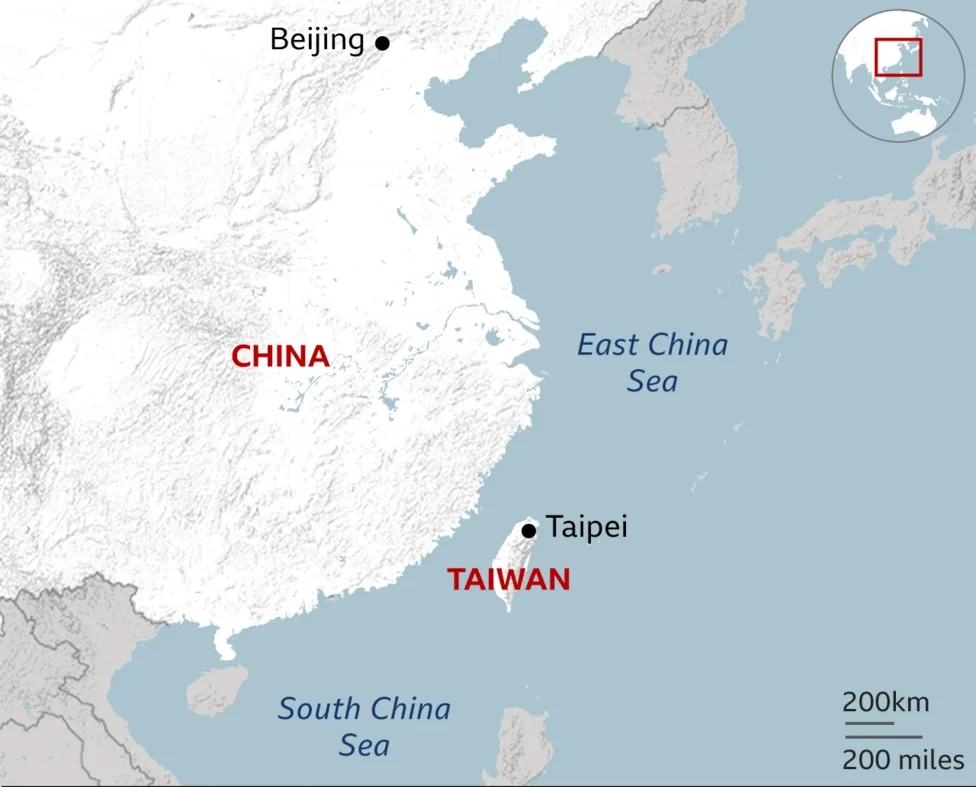
The Taiwan Strait remains one of the world’s most sensitive geopolitical flashpoints.
Background on Taiwan-China Tensions
Taiwan has governed itself independently since 1949 after the Chinese civil war ended with the separation between communist mainland China and the nationalist government that relocated to Taiwan.
Although Taiwan operates with its own:
- Government
- Military
- Constitution
- Elections
- Economy
China still claims sovereignty over the island.
Why Taiwan Matters Globally
Taiwan plays a major role in global trade and technology production, especially in semiconductor manufacturing.
The island is home to some of the world’s largest chip producers, making stability in the region economically important worldwide.
A conflict involving Taiwan could impact:
- Global supply chains
- International shipping routes
- Technology industries
- Regional security alliances
Because of this, statements from major world leaders about Taiwan often receive significant international attention.
US-Taiwan Relations Continue to Evolve
While the United States officially recognizes the government in Beijing rather than Taipei, Washington remains Taiwan’s largest unofficial ally and arms supplier.
American lawmakers from both major political parties have increased support for Taiwan in recent years through military cooperation, trade agreements, and diplomatic visits.
The Trump Taiwan independence warning has raised questions about future US policy and Taiwan’s security.
Analysts Watch for Diplomatic Fallout
Political analysts say Trump’s comments may be interpreted differently by Beijing and Taipei.
Some experts believe the remarks could ease tensions temporarily by discouraging a formal independence declaration.
Others argue the comments may raise concerns in Taiwan over long-term US security guarantees.
Taiwan’s Security Strategy Under Scrutiny
Taiwan continues investing heavily in military modernization and asymmetric defense strategies aimed at deterring a larger Chinese force.
The island has also sought closer security coordination with allies in the Indo-Pacific region.
Military analysts say Taiwan’s future defense planning will likely continue regardless of political statements from foreign leaders.
Regional Stability Remains a Global Concern
Countries including Japan, South Korea, Australia, and members of NATO have increasingly expressed concern about rising tensions across the Taiwan Strait.
The United States has repeatedly emphasized the importance of preserving peace and preventing unilateral changes to the status quo.
Diplomatic observers expect Taiwan-related discussions to remain central in future US-China negotiations.
FAQ
What did Donald Trump say about Taiwan independence?
Donald Trump said he does not support Taiwan formally declaring independence from China and called for both sides to “cool down.”
How did Taiwan respond to Trump’s comments?
Taiwan’s foreign ministry said the island is a sovereign democratic country and stated that Beijing has no right to claim jurisdiction over Taiwan.
Why is Taiwan important to China?
China considers Taiwan a breakaway province and views reunification as a key national objective.
Does the United States officially recognize Taiwan?
No. The United States officially recognizes China under the “One China” policy but maintains strong unofficial ties and defense cooperation with Taiwan.
Trump’s remarks regarding Taiwan have added fresh attention to one of the world’s most sensitive geopolitical issues. While Taiwan reaffirmed its sovereignty and commitment to democratic governance, China continues to insist the island belongs under mainland control. As tensions between Beijing and Taipei remain unresolved, international leaders are expected to closely monitor future developments involving US policy and regional security in East Asia.
PLEASE CLICK HERE FOR MORE NEWS