 0
0
 0
0
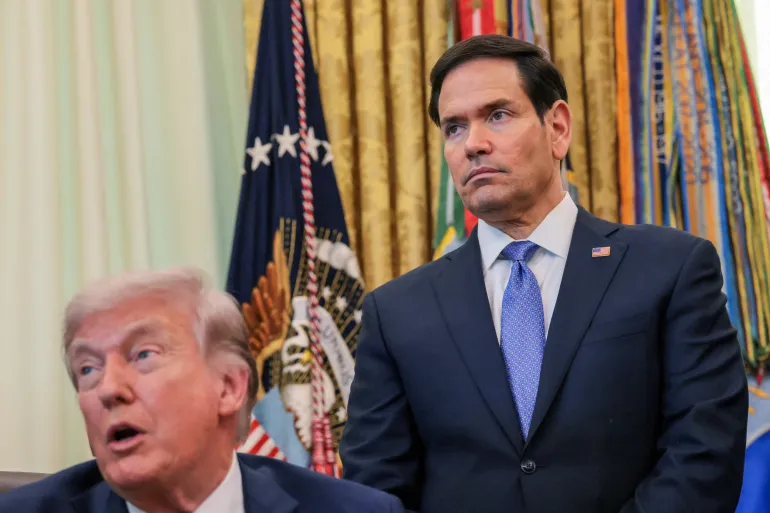
The growing discussion around US military action against Cuba has returned to global attention after renewed remarks from United States President Donald Trump and Secretary of State Marco Rubio. The comments, made during recent public appearances and media briefings, have sparked fresh debate about US foreign policy in the Caribbean and the future of relations between Washington and Havana.
Rubio stated that Cuba has remained a national security concern for the United States for many years due to its relationships with Russia and China. Trump also suggested that his administration could take stronger steps against the Cuban government if tensions continue to rise.
The statements come at a time of increased geopolitical competition involving major global powers and renewed focus on strategic influence across Latin America and the Caribbean.

Rubio Says Cuba Remains a Security Threat
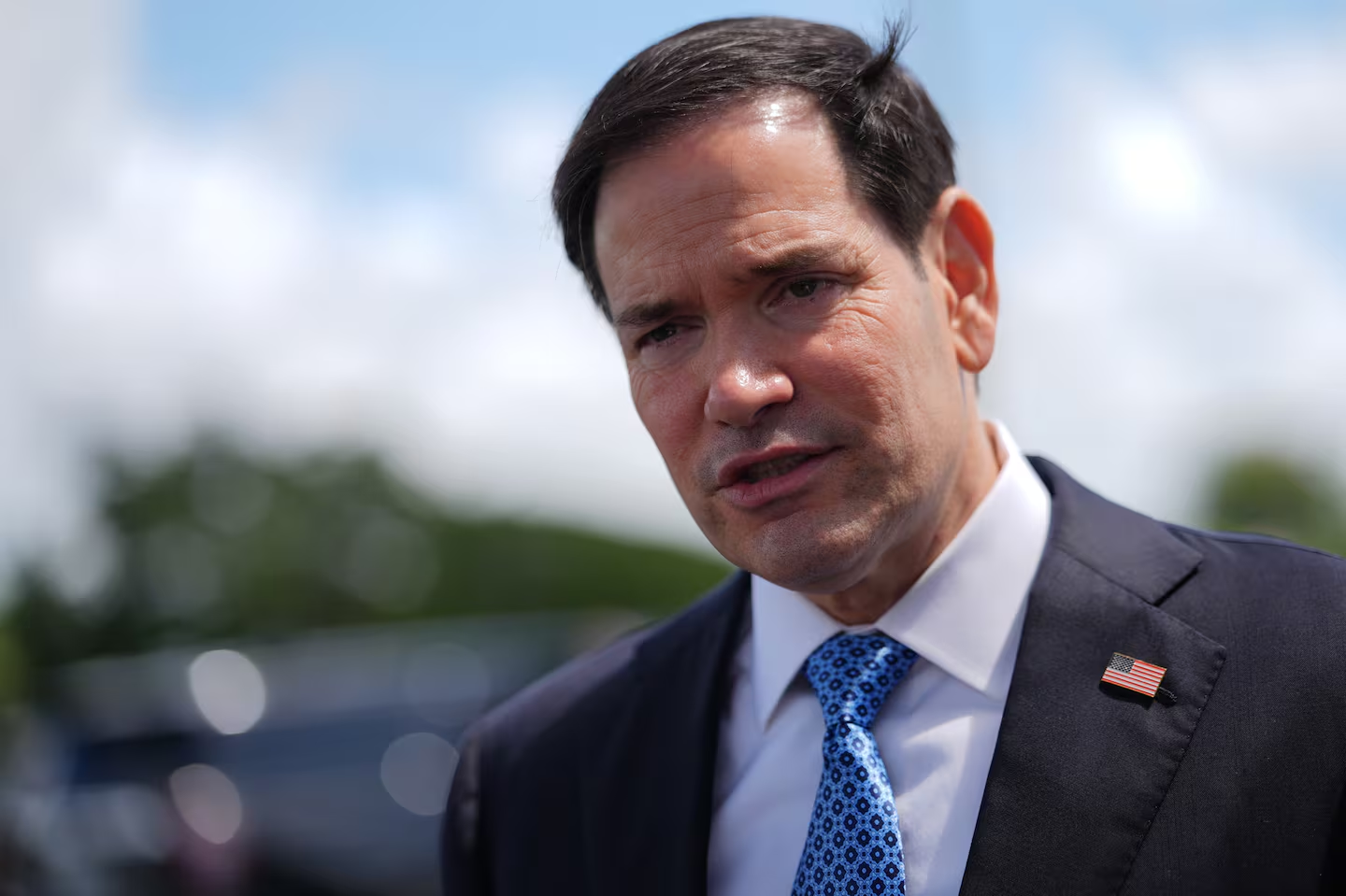
Secretary of State Marco Rubio said Cuba’s close diplomatic and economic ties with Russia and China continue to concern US officials. According to Rubio, the Cuban government has maintained relationships with countries that Washington considers strategic rivals.
Concerns Over Russia and China
US officials have repeatedly expressed worries about foreign influence in the Western Hemisphere. Rubio pointed specifically to Cuba’s cooperation with Moscow and Beijing as part of the reason behind the renewed warnings.
The United States has long monitored military, intelligence, and economic cooperation between Cuba and foreign governments. American policymakers argue that these partnerships could affect regional security and US national interests.
Historical Tensions Between the US and Cuba
Relations between the United States and Cuba have remained tense for decades. Since the Cuban Revolution in 1959, both countries have experienced periods of conflict, sanctions, diplomatic freezes, and limited engagement.
Some of the most notable moments in US-Cuba relations include:
- The Bay of Pigs invasion in 1961
- The Cuban Missile Crisis in 1962
- Decades of economic sanctions and embargoes
- Diplomatic reopening efforts during the Obama administration
- Renewed restrictions under later administrations
The latest comments from Rubio and Trump have revived conversations about whether relations could become more confrontational again.
Cuba’s Strategic Importance in the Caribbean
Cuba’s location has always given it geopolitical importance. Situated only about 90 miles from Florida, the island nation has historically played a major role in regional politics and security matters.
Analysts say any discussion involving US military action against Cuba quickly draws international attention because of the country’s proximity to the United States and its historical significance during the Cold War era.
Trump Signals Possible Stronger Action
President Donald Trump also addressed the issue while speaking publicly alongside senior administration officials. He suggested that his presidency could become the one that finally takes decisive action regarding Cuba.
Trump’s Previous Cuba Policies
During his earlier administration, Trump introduced stricter policies toward Cuba compared to previous US administrations. Measures included tighter travel restrictions, sanctions, and limits on financial transactions.
Supporters of those policies argued they were necessary to pressure the Cuban government on human rights and political reforms. Critics, however, said the restrictions mainly affected ordinary Cuban citizens and reduced diplomatic opportunities.
Renewed Military Threat Raises Questions
Trump’s latest remarks did not include specific details about what form any action might take. However, references to possible military measures immediately attracted international media attention.
Political analysts note that military intervention remains a highly sensitive subject because of the long and complicated history between the two countries.
Several experts believe the comments could also be part of broader political messaging connected to US foreign policy priorities and regional influence.
International Reaction Could Be Significant
If tensions continue to increase, reactions from global organizations and foreign governments are likely to follow closely. Countries across Latin America often respond strongly to discussions involving military intervention in the region.
International observers are also watching how Russia and China may react to renewed American criticism regarding their ties with Cuba.
US-Cuba Relations in Recent Years
The discussion surrounding US military action against Cuba comes after years of fluctuating diplomatic relations.
Obama Era Diplomatic Reopening
Former President Barack Obama moved to restore diplomatic ties with Cuba during his administration. The effort included reopening embassies, easing travel restrictions, and increasing dialogue between both governments.
That period marked one of the most significant improvements in relations in decades.
Shift Under Later Administrations
After the Obama administration, several policies changed again. Restrictions were tightened, and Cuba was returned to the US list of state sponsors of terrorism.
The renewed hardline stance affected tourism, trade, and diplomatic engagement between both nations.
Economic Challenges Inside Cuba
Cuba has also faced ongoing economic difficulties in recent years. Inflation, shortages, migration pressures, and limited access to foreign investment have contributed to internal challenges.
These domestic issues continue to influence Cuba’s international relationships and diplomatic strategies.
Why Cuba’s Foreign Alliances Matter to Washington
US officials often focus on Cuba’s partnerships with countries viewed as geopolitical rivals.
Growing China Influence in Latin America
China has increased investments and trade relationships across Latin America over the past decade. Infrastructure projects, technology agreements, and financial cooperation have expanded Beijing’s presence in the region.
American policymakers frequently discuss concerns about growing Chinese influence near US borders.
Russia’s Continued Ties With Cuba
Russia has maintained political and economic ties with Cuba for many years. Although the Cold War ended decades ago, both countries continue to cooperate in several areas.
US officials sometimes point to these relationships as evidence of broader strategic competition.
Regional Security Concerns
Supporters of stronger US policies toward Cuba argue that Washington must protect national security interests in the Caribbean region.
Others believe diplomacy and engagement may be more effective than threats of confrontation or military action.
The debate remains divided among policymakers, analysts, and international observers.
Potential Impact on Latin America and Global Politics
Any serious escalation involving Cuba could have wider geopolitical consequences.
Impact on Caribbean Stability
Regional governments are likely to monitor developments carefully. Many Caribbean and Latin American nations prefer diplomatic solutions and may push for de-escalation if tensions grow further.
Effect on US Foreign Policy
The renewed focus on US military action against Cuba may also influence broader American foreign policy discussions, especially regarding relations with Russia and China.
The issue highlights how Caribbean politics can intersect with larger global strategic rivalries.
Possible Diplomatic Responses
International organizations such as the United Nations and the Organization of American States could become involved if tensions intensify.
Diplomatic negotiations and international pressure often play important roles during disputes involving regional security.
Public Debate Over Future US Policy Toward Cuba
The recent comments from Trump and Rubio have generated strong discussion among political commentators and foreign policy experts.
Some believe the statements are intended to send a warning message to geopolitical rivals. Others argue that increasing diplomatic engagement would be more productive than escalating rhetoric.
Public opinion in the United States regarding Cuba policy has often been divided along political and generational lines. Cuban-American communities, policymakers, and international observers frequently hold differing views about sanctions, diplomacy, and security concerns.
For now, no formal military plans have been announced. However, the renewed rhetoric surrounding US military action against Cuba has once again placed US-Cuba relations at the center of international attention.

FAQ
Why did Marco Rubio call Cuba a national security threat?
Marco Rubio said Cuba remains a security concern because of its close ties with Russia and China, which the United States considers strategic rivals.
Has the United States threatened military action against Cuba before?
Yes. Discussions involving military pressure or intervention date back decades, including during the Cold War and events such as the Bay of Pigs invasion and the Cuban Missile Crisis.
What could happen if US-Cuba tensions increase further?
Possible outcomes could include stronger sanctions, diplomatic disputes, international negotiations, or increased geopolitical tensions involving other countries.
How important is Cuba to US foreign policy?
Cuba remains strategically important because of its geographic location near the United States and its historical role in regional and global politics.
The renewed statements from Donald Trump and Marco Rubio have once again placed US-Cuba relations under international scrutiny. While no official military action has been announced, the comments highlight ongoing concerns about regional security, geopolitical alliances, and the future direction of American foreign policy toward Cuba. Global observers will continue monitoring developments as diplomatic and political discussions evolve.
Click here for more news