
 0
0
 0
0
The UK hottest June heatwave disruption is causing widespread concern across the United Kingdom and Ireland as extreme weather conditions push temperatures toward record-breaking levels while simultaneously triggering flooding, transport delays, and public safety warnings.
Authorities have issued multiple weather alerts as the country experiences a rare combination of intense heat and storm-related disruption, affecting travel networks, public services, and daily life.

Rising Temperatures Across the United Kingdom
The United Kingdom is currently experiencing one of its most intense June heat events in recent years, with temperatures rising sharply across England, Wales, Scotland, and Northern Ireland.
Forecast of Record-Breaking Heat
Weather projections indicate that parts of the UK could reach extreme temperatures not typically seen in June.
Key expectations include:
- Up to 36°C in Greater London
- Temperatures exceeding the previous June record of 35.6°C
- Widespread heat across southern and central England
Conditions Contributing to Heat Surge
Meteorologists attribute the heatwave to:
- High-pressure weather systems trapping warm air
- Clear skies increasing solar heating
- Low wind conditions reducing cooling effects
Regional Weather Differences
While England and Wales face the most intense heat, other regions are also affected.
- Scotland: Warm conditions with light winds and cloud cover
- Northern Ireland: Mild heat with occasional cloudiness
- Wales: High temperatures combined with infrastructure strain
These variations highlight the broad reach of the ongoing UK hottest June heatwave disruption.
Severe Travel Disruptions Across Transport Networks
The extreme weather has significantly impacted transportation systems across the UK, particularly rail services and road infrastructure.
Flooding and Rail Network Issues
Heavy overnight rainfall caused major disruptions in several areas.
Key Impacts on Transport
- Flooding near Heathrow Airport rail routes
- Delays and cancellations in train services
- Waterlogged infrastructure affecting operations
Several passengers experienced delays due to safety checks and service interruptions.
Road and Infrastructure Challenges
In addition to rail disruption, road and pedestrian routes were also affected.
- Temporary closures of low-lying roads
- Flooded streets in parts of Somerset
- Safety concerns on major commuter routes
These disruptions added to the complexity of the ongoing UK hottest June heatwave disruption.
Heatwave Impacts on Public Infrastructure
Beyond transport, public services and infrastructure have also been affected by the extreme heat conditions.
Structural and Safety Closures
Some public facilities were closed due to safety concerns linked to rising temperatures.
Examples of Closures
- Chepstow’s Old Wye Bridge closed to pedestrians and cyclists
- Museums and libraries in Newport temporarily shut
- Heat-sensitive infrastructure restrictions in multiple regions
Why Heat Affects Infrastructure
High temperatures can cause:
- Expansion of metal and bridge materials
- Track deformation on rail systems
- Increased risk of structural stress
These risks require preventive closures during extreme heat events.
Emergency and Public Safety Measures
Authorities across the UK and Ireland have issued warnings to reduce risks associated with the heatwave.
Weather Alerts and Warnings
The Met Office issued rare high-level alerts for parts of England and Wales.
Key Advisories Include:
- Extreme heat warnings across multiple regions
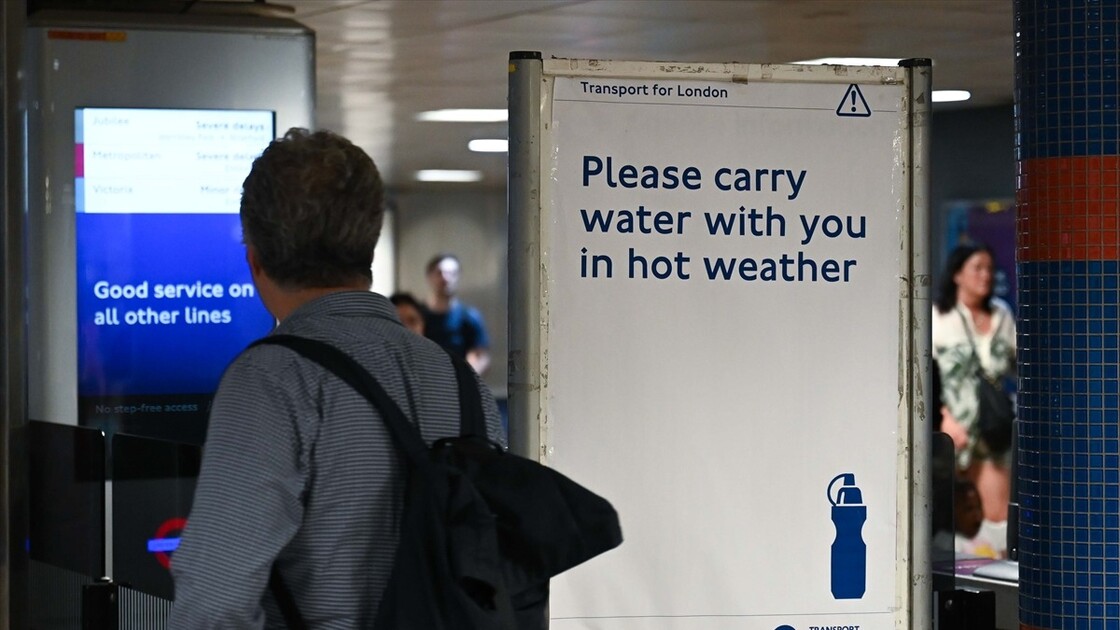
- Public guidance to stay hydrated
- Advice to avoid unnecessary outdoor exposure
School and Public Service Adjustments
Several institutions have taken precautionary measures.
- Early school closures or shortened schedules
- Adjusted working hours in some public offices
- Reduced outdoor activities for safety
These actions are part of broader responses to the UK hottest June heatwave disruption.
Ireland Issues Heat Warning Amid Rising Temperatures
Ireland is also experiencing rising temperatures, prompting official weather warnings.
Status Yellow High Temperature Warning
The Irish Meteorological Service issued a Status Yellow alert due to rising heat levels.
Expected Conditions
- Temperatures reaching up to 30°C by Thursday
- Warm conditions lasting several days
- Increased fire risk across dry areas
Public Safety Recommendations
Authorities advised residents to:
- Stay hydrated during peak heat hours
- Avoid unnecessary outdoor activities
- Be cautious with fire-related activities
Risk of Wildfires and Environmental Concerns
One of the major concerns linked to the heatwave is the increased risk of wildfires.
Fire Risk Warnings Issued
Emergency officials warned that dry conditions combined with heat could increase fire hazards.
Key Risk Factors
- Dry vegetation across rural areas
- High temperatures increasing ignition risk
- Human activity contributing to fire outbreaks
Public Guidance on Fire Prevention
Officials emphasized:
- Avoiding outdoor burning
- Proper disposal of flammable materials
- Reporting smoke or fire immediately
Climate and Weather Pattern Context
The current weather situation is part of broader climate variability affecting Europe.
Increasing Frequency of Heatwaves
Recent years have shown:
- More frequent extreme summer temperatures
- Short but intense heatwave periods
- Greater variability in seasonal weather patterns
Combined Weather Extremes
This event is notable due to the combination of:
- Heatwave conditions
- Sudden thunderstorms
- Flooding and infrastructure strain
Such mixed weather patterns are becoming more common in seasonal transitions.

FAQ
Why is the UK experiencing such extreme heat in June?
A high-pressure system is trapping warm air over the region, leading to rising temperatures and limited cooling conditions.
How hot will it get during the UK heatwave?
Forecasts suggest temperatures could reach up to 36°C in London, potentially breaking previous June records.
What disruptions are caused by the heatwave?
The heatwave has caused transport delays, flooding, infrastructure closures, and public service disruptions.
Is Ireland affected by the same heatwave?
Yes, Ireland has issued a Status Yellow High Temperature Warning, with temperatures expected to reach up to 30°C.
Conclusion
The UK hottest June heatwave disruption highlights how extreme weather conditions can simultaneously impact transport systems, public infrastructure, and daily life across multiple regions. With rising temperatures, travel disruptions, and safety warnings in place, authorities continue to urge caution as the heatwave develops further across the UK and Ireland.
Click here for more news