 0
0
 0
0
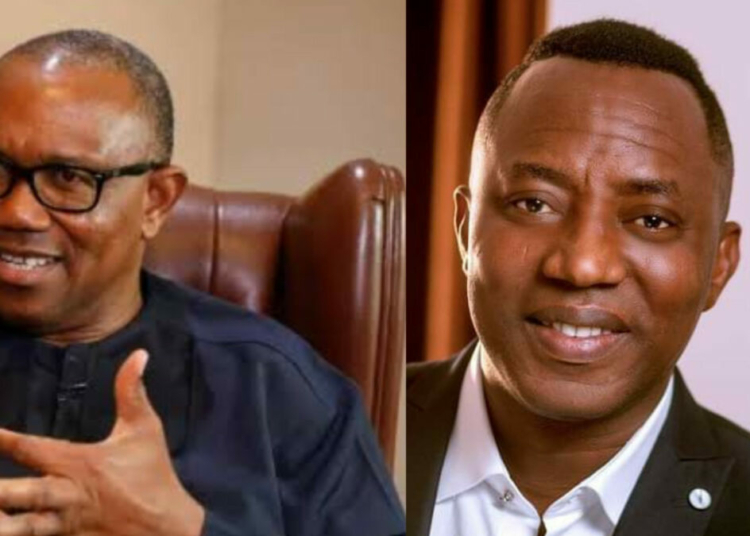
The Sowore Kuje prison remand has triggered reactions from political figures, with the presidential candidate of the Nigeria Democratic Congress (NDC), Peter Obi, describing the development as a concerning sign for Nigeria’s democratic system. Obi raised concerns about the implications of the court decision on civil liberties, freedom of expression, and the broader democratic space in the country.
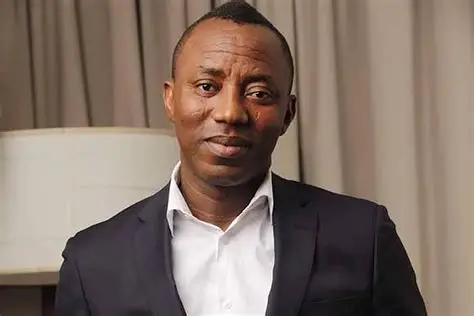
His comments followed the court’s decision to remand activist Omoyele Sowore in Kuje Correctional Centre, a development that has continued to generate public debate across political and civic circles.
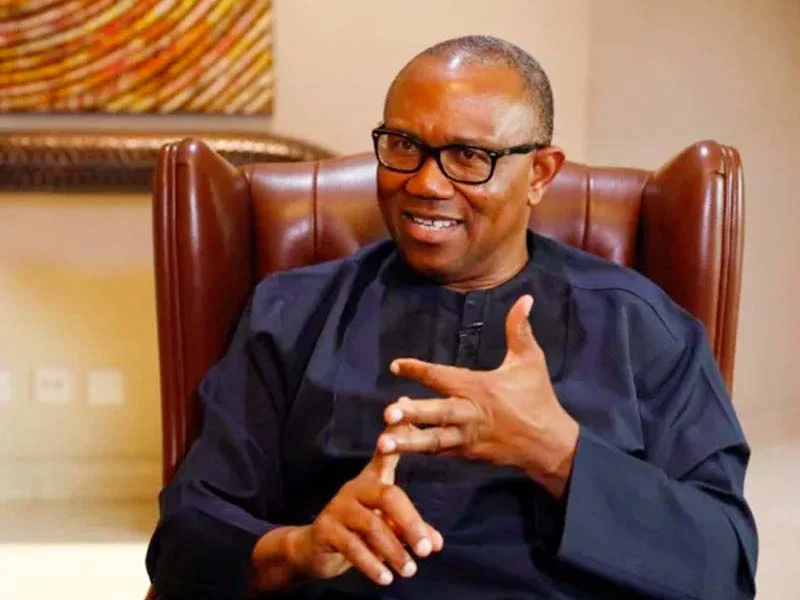
Peter Obi Raises Concern Over Democratic Space
Peter Obi expressed worry that the Sowore Kuje prison remand could reflect a broader trend affecting democratic freedoms in Nigeria. He emphasized the need for caution when state institutions are involved in cases concerning government critics.
Warning Against Suppression of Dissent
Obi stated that democracy depends on protecting opposing voices and warned against any perception that state institutions are being used to silence critics.
Key concerns he highlighted include:
- Possible restriction of press freedom
- Reduction of civic participation space
- Risk of weakening democratic accountability
Importance of Civic Engagement
He stressed that a healthy democracy relies on:
- Open political debate
- Freedom of expression
- Peaceful civic participation
- Protection of constitutional rights
Call for Protection of Constitutional Rights
The former Anambra State governor emphasized that constitutional freedoms must remain central to governance and judicial processes.
Freedom of Expression and Assembly
Obi noted that democracy cannot function effectively without safeguarding key rights such as:
- Freedom of expression
- Freedom of peaceful assembly
- Right to dissent
- Media independence
Role of the Judiciary
While acknowledging the independence of the judiciary, he urged caution to ensure that legal decisions do not create perceptions of political suppression.
He emphasized that the judiciary remains the final authority in justice delivery but must be mindful of public perception in sensitive cases.
Sowore Kuje Prison Remand and Public Reaction
The Sowore Kuje prison remand has drawn attention due to its political and civic implications, especially within the context of Nigeria’s ongoing discussions around governance and rights.
Concerns About State Power and Civil Liberties
Obi warned against any situation where state institutions appear to be used in ways that could:
- Suppress political opposition
- Limit freedom of speech
- Restrict civil activism
Public Sensitivity to Governance Actions
He noted that actions involving activists often attract heightened public attention, especially in a country already facing social and economic pressure.
Socioeconomic Context of the Debate
Obi also referenced broader national conditions, noting that Nigeria is currently dealing with:
- Security challenges in several regions
- Economic hardship affecting households
- Public sensitivity to governance decisions
These conditions, he suggested, make it important for institutions to act carefully to avoid escalating tensions.
Democracy and the Importance of Free Speech
A central theme in Obi’s remarks was the relationship between democracy and free speech, especially in relation to the Sowore Kuje prison remand.
Why Free Expression Matters in Democracy
He explained that democratic systems are strengthened when citizens can:
- Express opinions without fear
- Criticize government policies
- Participate in civic discussions
- Hold leaders accountable
Risks of Limiting Expression
According to his concerns, restricting civic space may lead to:
- Reduced public trust in institutions
- Weakening of democratic accountability
- Increased political tension
Balancing Security and Rights
Obi’s statement also reflects the ongoing challenge of balancing:
- National security concerns
- Protection of civil liberties
- Judicial independence
- Public order considerations
Role of Institutions in Democratic Stability
The reaction to the Sowore Kuje prison remand highlights the importance of institutional responsibility in maintaining democratic stability.
Judiciary and Public Confidence
The judiciary plays a key role in:
- Interpreting constitutional rights
- Ensuring fair trial processes
- Maintaining public confidence in justice systems
State Institutions and Governance
Other state institutions are also expected to:
- Operate within constitutional limits
- Avoid perceptions of bias
- Protect democratic principles
Broader Implications for Nigerian Democracy
The debate surrounding the Sowore Kuje prison remand reflects wider conversations about Nigeria’s democratic direction.
Key Democratic Concerns Raised
Observers and political actors often focus on:
- Civil liberties protection
- Rule of law enforcement
- Space for opposition voices
- Media and activist freedom
Importance of Democratic Balance
A functioning democracy requires balance between:
- Governance authority
- Citizen rights
- Judicial independence
- Institutional accountability
FAQ
Why did Peter Obi react to Sowore’s Kuje prison remand?
Peter Obi reacted because he believes the decision raises concerns about the protection of democratic freedoms and civil liberties in Nigeria.
What did Obi say about the Sowore Kuje prison remand?
He described it as a worrying signal for democracy and warned against the suppression of dissent and civic space.
Why is free speech important in democracy?
Free speech allows citizens to express opinions, hold leaders accountable, and participate in governance processes without fear.
What broader issues did Obi highlight?
He also pointed to insecurity, economic hardship, and the need for institutions to act carefully to avoid escalating national tension.
In conclusion, the Sowore Kuje prison remand has sparked renewed debate about democracy, civil rights, and institutional responsibility in Nigeria. Peter Obi’s remarks highlight ongoing concerns about maintaining a balance between governance, justice, and the protection of
fundamental freedoms in a democratic society.
Click here for more news