 0
0
 0
0
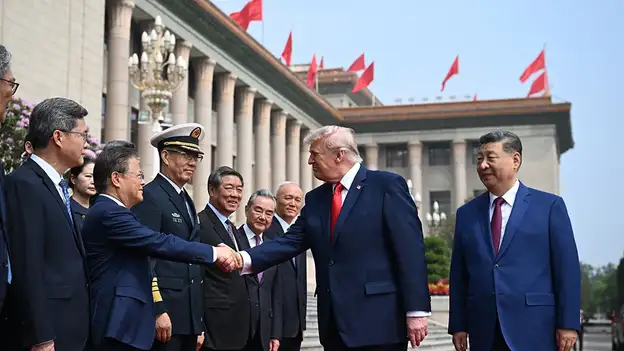
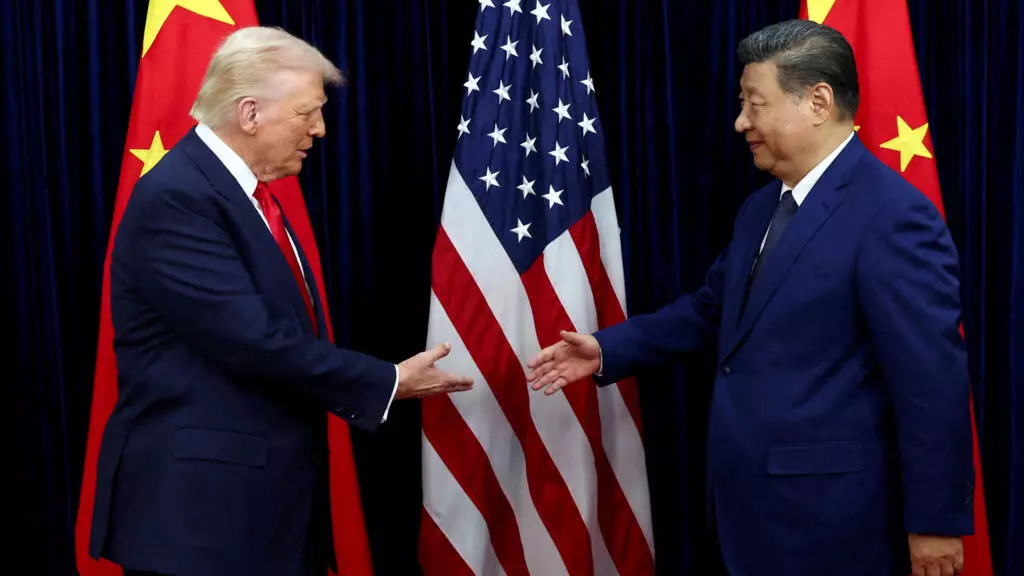
The Trump Xi Beijing summit 2026 has drawn global attention as the United States and China enter another critical phase of strategic competition. The Trump Xi Beijing summit 2026 brings both leaders face-to-face in Beijing, where discussions are expected to focus on trade disputes, rare earth supply chains, Taiwan, artificial intelligence regulation, and the ongoing Iran conflict. While the meeting is expected to produce short-term agreements, deeper geopolitical tensions remain unresolved.
High-Level Talks Begin in Beijing
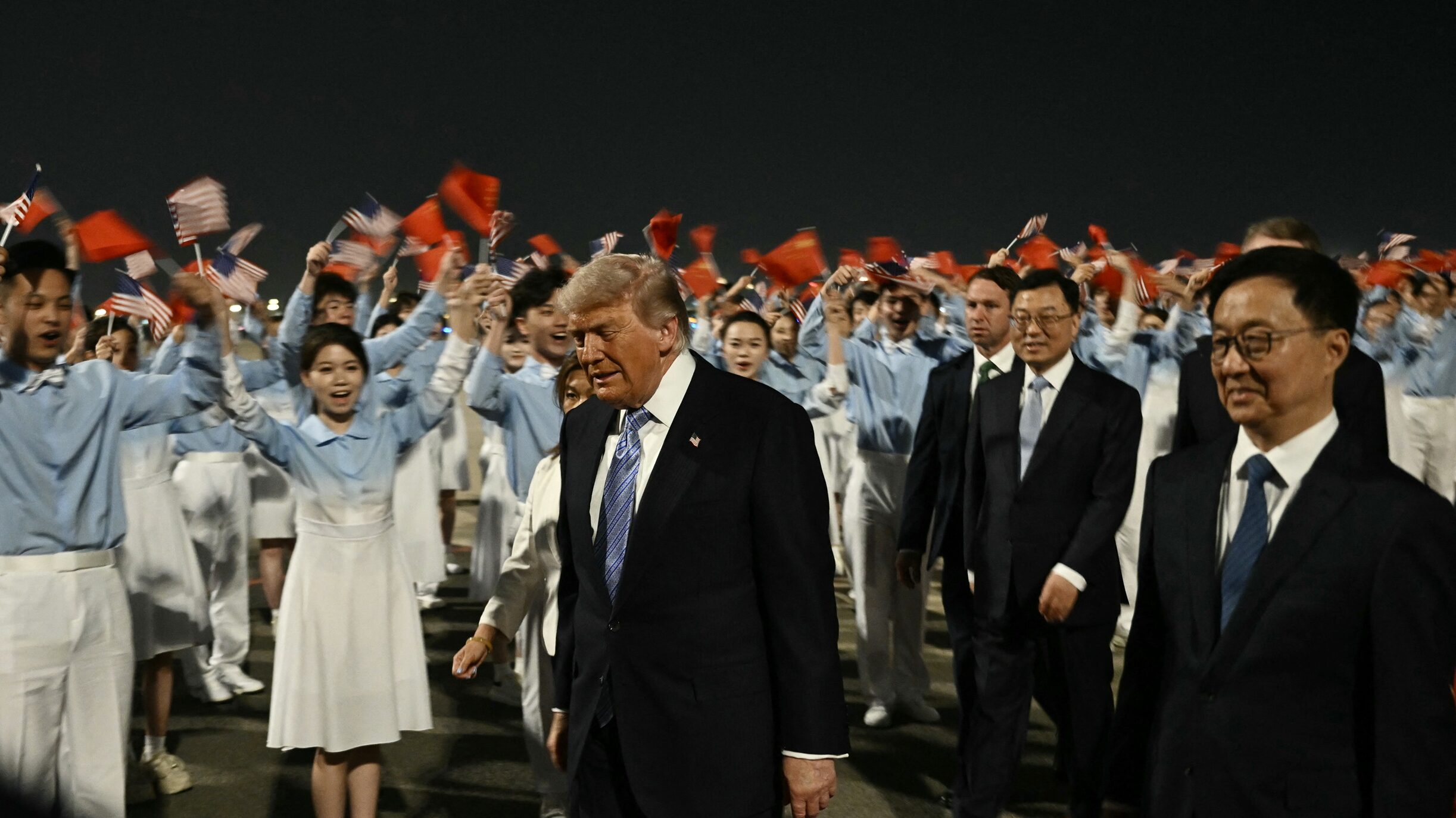
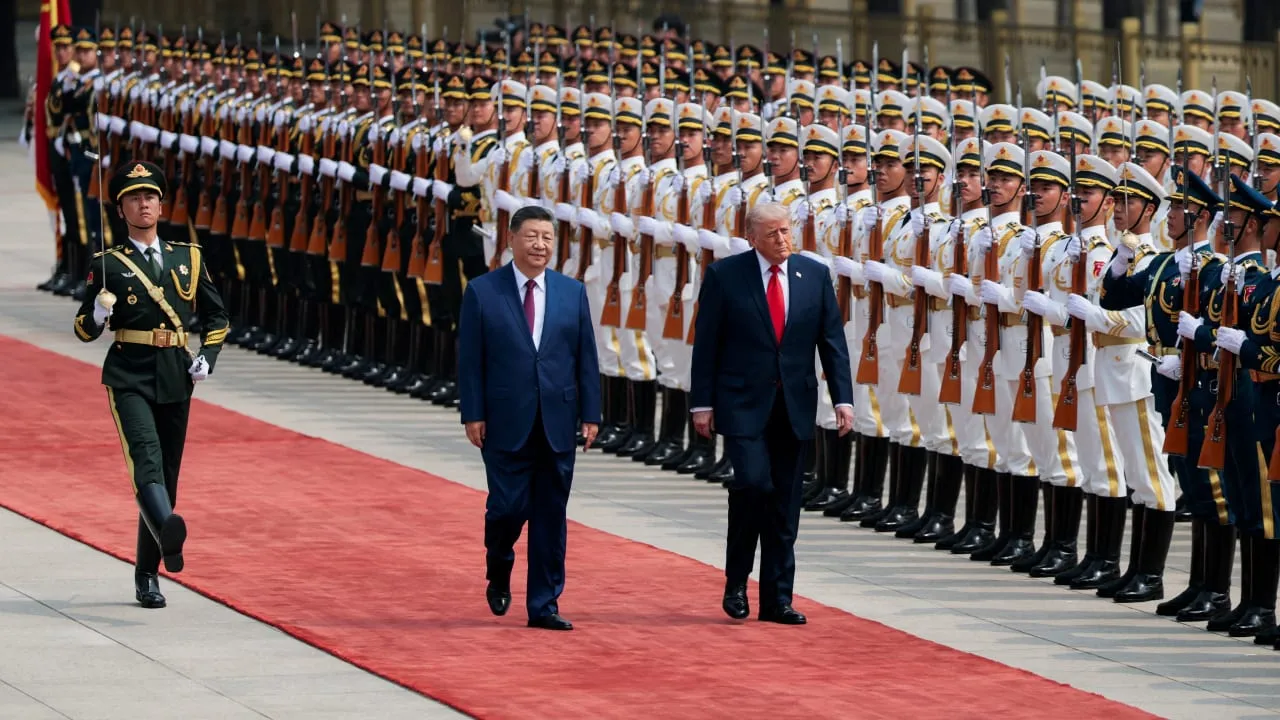
The summit officially begins with bilateral discussions between US President Donald Trump and Chinese President Xi Jinping at the Great Hall of the People in Beijing.
Key agenda priorities
The meeting is structured around several pressing global issues:
- Trade stabilization and tariff relief discussions
- Rare earth minerals and supply chain security
- Taiwan’s political and security status
- Advanced technology, including AI and semiconductor controls
- Global security concerns tied to the Iran war
Diplomatic tone and expectations
Officials from both countries have signaled that the talks are intended to reduce immediate tensions rather than resolve long-standing disagreements. The Trump Xi Beijing summit 2026 is therefore viewed more as a tactical negotiation than a comprehensive peace framework.
Trade Relations Remain Central to the Trump Xi Beijing Summit 2026
Trade remains one of the most sensitive and influential aspects of US–China relations.
Tariffs and economic pressure
Recent trade tensions have seen tariffs on Chinese goods reach extremely high levels during earlier phases of the dispute. A temporary truce reached during a prior summit in Busan in October 2025 reduced some immediate pressure but left many underlying problems untouched.
Key trade issues include:
- High tariff structures affecting imports and exports
- Limited market access for US companies in China
- Restrictions on technology exports
- Concerns over supply chain dependencies
Possible economic concessions
Both sides are expected to explore limited economic agreements such as:
- Increased Chinese purchases of US agricultural products
- Potential aircraft procurement deals
- Partial easing of tariff pressure in select sectors
- Continued dialogue on supply chain cooperation
Despite these possibilities, analysts note that structural economic competition remains firmly in place.
Rare Earths and Technology Competition Intensify
A major focus of the Trump Xi Beijing summit 2026 is the competition over critical minerals and advanced technology.
Strategic importance of rare earths
Rare earth elements are essential for:
- Electric vehicles
- Military hardware systems
- Renewable energy infrastructure
- Consumer electronics
China remains a dominant global supplier, giving it significant leverage in global manufacturing chains.
AI and semiconductor restrictions
Technology competition is another central issue, particularly in:
- Artificial intelligence development
- Semiconductor exports and manufacturing controls
- Restrictions on advanced computing technology
Both countries are seeking to maintain technological advantage while avoiding full-scale decoupling.
Taiwan and Regional Security Concerns
Taiwan remains one of the most politically sensitive topics in US–China relations.
Diplomatic friction over Taiwan
China views Taiwan as part of its territory, while the United States maintains a policy of strategic ambiguity and supports Taiwan’s defensive capabilities.
At the summit, discussions are expected to focus on:
- Avoiding military escalation in the Taiwan Strait
- Maintaining open communication channels
- Managing diplomatic language to prevent conflict
- Reducing risks of accidental confrontation
Regional stability considerations
The broader Indo-Pacific security environment is also likely to be referenced, with both sides aware of the risks of miscalculation in the region.
Iran War Adds Global Security Pressure
The ongoing Iran conflict adds another layer of complexity to the Trump Xi Beijing summit 2026.
Diverging global positions
The United States and China have different strategic interests in the Middle East:
- The US focuses on military and diplomatic containment strategies
- China emphasizes economic stability and energy security
Diplomatic language and risk management
While no major agreement is expected, both sides may attempt to:
- Coordinate diplomatic messaging
- Prevent escalation affecting global oil markets
- Maintain open communication channels on regional security
This issue highlights how global conflicts are increasingly intertwined with US–China relations.
Previous Agreements and Ongoing Trade War Legacy
The current summit builds on earlier diplomatic engagements, including the Busan summit in October 2025.
Impact of the Busan summit
That meeting resulted in:
- Temporary pause in the most aggressive trade war phase
- Limited tariff easing discussions
- Continued uncertainty in global markets
However, it did not resolve long-term disputes.
Unresolved structural tensions
Despite diplomatic progress, major disagreements persist:
- Technology restrictions and export controls
- Competition for global supply chains
- Military presence in strategic regions
- Economic influence in developing markets
These unresolved issues continue to shape the Trump Xi Beijing summit 2026.
Tactical Gains Expected, Strategic Divide Remains
The Trump Xi Beijing summit 2026 is widely viewed as a meeting focused on short-term stability rather than long-term resolution.
Likely outcomes
Possible outcomes include:
- Temporary tariff relief measures
- Symbolic trade commitments
- Controlled diplomatic language on sensitive issues
- Continued negotiation frameworks for future talks
Long-term outlook
Even with visible diplomatic progress, analysts suggest that:
- Core strategic rivalry remains intact
- Economic competition will continue
- Geopolitical tensions are likely to persist
- Future summits will be required to manage disputes
FAQ
What is the main goal of the Trump Xi Beijing summit 2026?
The main goal is to stabilize US–China relations through limited agreements on trade, technology, and security while avoiding escalation of major disputes.
Will the Trump Xi Beijing summit 2026 resolve the trade war?
No, the summit is expected to ease tensions temporarily but not resolve deeper structural trade and technology conflicts.
Why are rare earths important in US–China relations?
Rare earths are essential for electronics, defense systems, and renewable energy, making them a strategic resource in global supply chains.
How does the Iran conflict affect the Trump Xi Beijing summit 2026?
The Iran conflict adds global security pressure, influencing discussions on energy stability and broader diplomatic coordination.
Conclusion
The Trump Xi Beijing summit 2026 represents another step in a complex and evolving US–China relationship defined by competition and cautious cooperation. While both leaders are expected to secure short-term diplomatic and economic gains, fundamental disagreements over trade, technology, Taiwan, and global influence remain unresolved. The meeting highlights a broader reality in international relations where tactical agreements help manage tensions, but long-term strategic rivalry continues to shape global politics.
Ckick here for more news