 0
0
 0
0
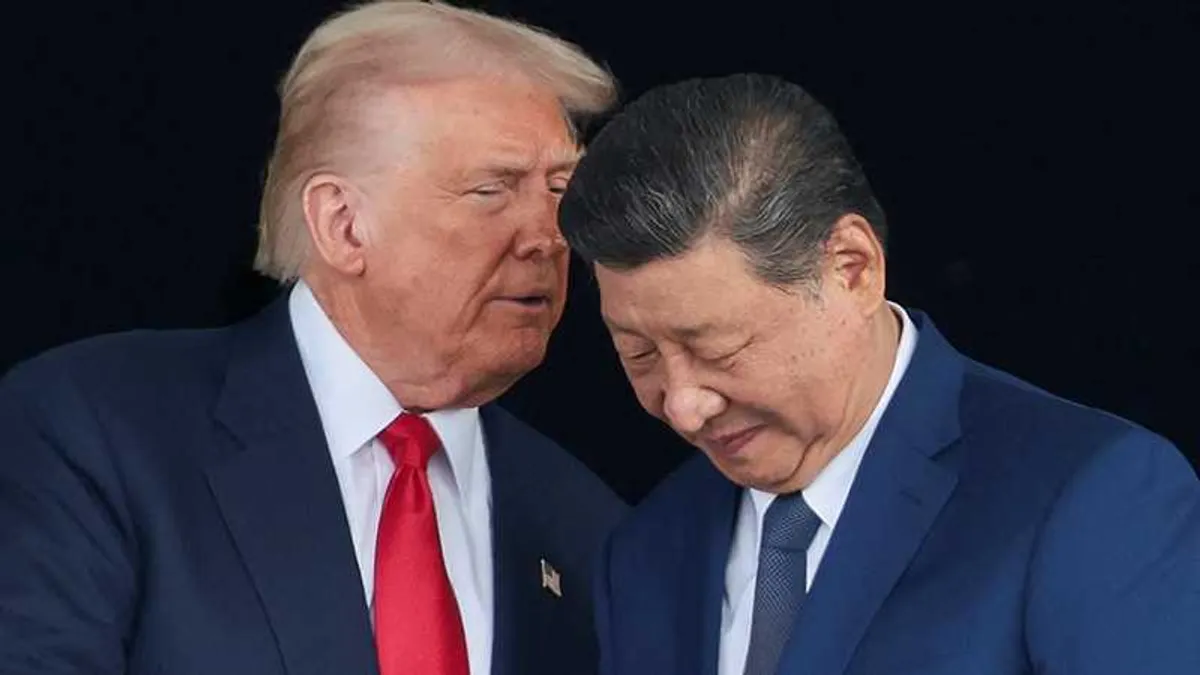
The Ruth Ben-Ghiat Trump Xi prediction has sparked discussion after the historian and authoritarianism scholar suggested that President Donald Trump could eventually soften his position toward Chinese President Xi Jinping in future disputes between Washington and Beijing.
Ben-Ghiat’s comments followed a media interview in which Trump spoke positively about Xi, describing the Chinese leader’s confidence, intelligence, and leadership presence. The remarks prompted renewed debate about Trump’s approach toward powerful foreign leaders and how personal relationships may influence international diplomacy.
Trump’s Comments About Xi Jinping Draw Attention
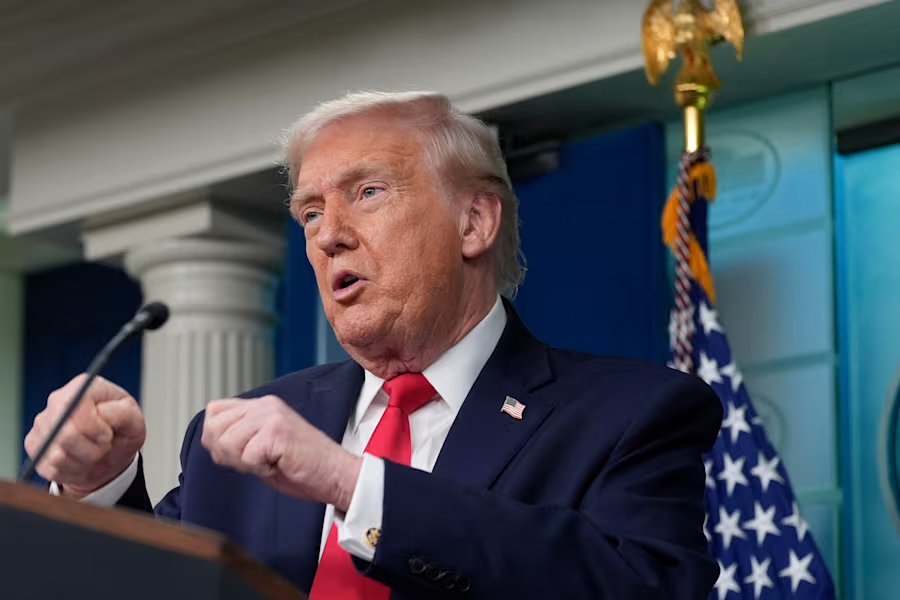
During an appearance on a news and current affairs program, President Trump was asked about his relationship with Chinese President Xi Jinping.
In response, Trump offered several compliments about Xi’s personality and leadership qualities. He highlighted Xi’s confidence and intelligence while also commenting on his physical presence.
The remarks quickly generated reactions from political analysts, foreign policy observers, and critics who interpreted the comments in different ways.
Supporters argued that diplomatic engagement often requires leaders to maintain cordial relationships with foreign counterparts, while critics viewed the praise as part of a broader pattern in Trump’s interactions with powerful world leaders.
Why the Remarks Became a Talking Point
Comments made by political leaders about foreign counterparts often attract significant attention because they can provide clues about future policy positions.
In this case, Trump’s favorable description of Xi came at a time when U.S.-China relations remain one of the most important issues in global politics.
Observers frequently analyze such statements for indications about:
- Trade negotiations
- Security cooperation
- Economic competition
- Diplomatic strategy
- Regional stability
Because of the importance of the U.S.-China relationship, even informal comments can become part of larger political debates.
The Importance of U.S.-China Relations
Relations between the United States and China influence global markets, supply chains, technology development, and international security.
Over the past decade, the two countries have experienced periods of both cooperation and tension involving issues such as:
- Trade policies
- Tariffs
- Technology restrictions
- Military activity in Asia
- Climate cooperation
- Investment regulations
As a result, statements involving either country’s leadership are often examined closely by analysts and policymakers.
Ruth Ben-Ghiat’s Assessment
Ruth Ben-Ghiat, a historian known for studying authoritarian governments and political leadership, responded to Trump’s comments with a prediction about future relations between the two leaders.
According to Ben-Ghiat, Trump’s praise for Xi could indicate a willingness to eventually compromise in future disputes involving China.
Her assessment was shared through social media, where she connected the comments to what she described as a recurring pattern in Trump’s foreign policy approach.
Comparing China to Other Foreign Policy Disputes
A key element of the Ruth Ben-Ghiat Trump Xi prediction involved comparisons to previous international standoffs.
Ben-Ghiat argued that Trump’s handling of certain foreign policy challenges demonstrated a tendency to alter or soften positions over time.
She suggested that a similar outcome could emerge in dealings with China, particularly if negotiations become difficult or prolonged.
However, this remains a prediction rather than a confirmed policy direction, and future developments would ultimately depend on diplomatic, economic, and geopolitical factors.
Her Broader Argument
Beyond China, Ben-Ghiat linked her analysis to a wider interpretation of Trump’s relationships with influential global leaders.
She argued that the president has often expressed admiration for leaders who project strength and authority.
Political analysts have long debated whether such comments reflect personal preference, strategic diplomacy, or negotiation tactics.
As with many political interpretations, opinions vary widely depending on perspective and political viewpoint.
Different Views on Diplomatic Praise
Political leaders frequently praise foreign counterparts during negotiations and international meetings.
Such praise does not necessarily indicate agreement on policy issues.
Diplomatic language is often used to:
- Maintain communication channels
- Reduce tensions
- Encourage cooperation
- Build trust during negotiations
- Advance national interests
Because of this, experts sometimes disagree on whether positive remarks should be interpreted as meaningful policy signals.
Supporters See Strategic Diplomacy
Some observers argue that maintaining positive personal relationships can be an effective diplomatic strategy.
From this perspective, public compliments may help create a more productive environment for negotiations and conflict resolution.
Supporters of this approach often note that diplomacy requires engagement with allies and rivals alike.
In their view, cordial interactions do not automatically translate into policy concessions.
Critics See a Pattern
Critics, including Ben-Ghiat, interpret such remarks differently.
They argue that repeated praise directed toward certain foreign leaders may reveal underlying preferences or influence decision-making.
These concerns have surfaced periodically throughout Trump’s political career whenever he has spoken favorably about prominent international figures.
The debate highlights the challenge of distinguishing between diplomatic messaging and personal admiration.
The Broader Debate Over Foreign Policy Leadership
The reaction to Trump’s comments reflects a larger conversation about how world leaders conduct diplomacy.
Some policymakers favor direct engagement and relationship-building with foreign counterparts.
Others emphasize maintaining a more formal and cautious approach, particularly when dealing with geopolitical competitors.
Leadership Style and International Relations
Leadership style can influence how countries communicate and negotiate.
Factors that often shape diplomatic relationships include:
- Personal rapport between leaders
- National strategic interests
- Economic considerations
- Security concerns
- Domestic political pressures
Even when leaders appear friendly publicly, policy disagreements may remain significant behind the scenes.
What Could Influence Future U.S.-China Relations?
Regardless of personal interactions between leaders, several issues are likely to shape future relations between Washington and Beijing.
These include:
- Global trade dynamics
- Technology competition
- Military activity in the Indo-Pacific region
- Supply chain security
- Climate and environmental cooperation
- International economic stability
Experts generally agree that these factors will play a major role in determining future policy decisions.
Why the Prediction Matters
The Ruth Ben-Ghiat Trump Xi prediction has attracted attention because it touches on one of the world’s most important bilateral relationships.
Whether or not her forecast proves accurate, the discussion highlights ongoing questions about leadership, diplomacy, and foreign policy decision-making.
Political observers will likely continue monitoring statements from both leaders for signs of future policy shifts.
For now, Ben-Ghiat’s comments remain an interpretation of Trump’s public remarks rather than evidence of any specific diplomatic outcome.
Frequently Asked Questions
What is the Ruth Ben-Ghiat Trump Xi prediction?
Ruth Ben-Ghiat predicted that Donald Trump could eventually soften his stance toward Chinese President Xi Jinping, citing what she views as patterns in his approach to foreign leaders.
Why did Ruth Ben-Ghiat comment on Trump’s remarks about Xi Jinping?
She responded after Trump publicly praised Xi’s confidence, intelligence, and leadership qualities during an interview.
Does praising a foreign leader indicate future policy concessions?
Not necessarily. Diplomatic praise can be used as a negotiation strategy, and experts often disagree about its significance.
How important are U.S.-China relations in global politics?
The relationship affects trade, technology, security, economic growth, and international stability, making it one of the most significant diplomatic partnerships in the world.
Conclusion
Ruth Ben-Ghiat’s prediction regarding Donald Trump and Xi Jinping has added another perspective to the ongoing discussion about U.S.-China relations. While supporters and critics interpret Trump’s comments differently, the episode underscores the close attention given to interactions between major world leaders. As future diplomatic developments unfold, analysts will continue assessing whether personal relationships influence policy decisions or simply serve as tools of international diplomacy.
Click here for more news