 0
0
 0
0
The Biodun Oyebanji re-election response has drawn attention after the Ekiti State governor reacted to criticism from opposition figures following his victory at the polls. Speaking after the election outcome, Oyebanji stated that electoral success is determined by voters at polling units rather than conversations and campaigns conducted on social media platforms.
His remarks came after his re-election victory, which he described as a reflection of public confidence in his administration and its performance over the years.
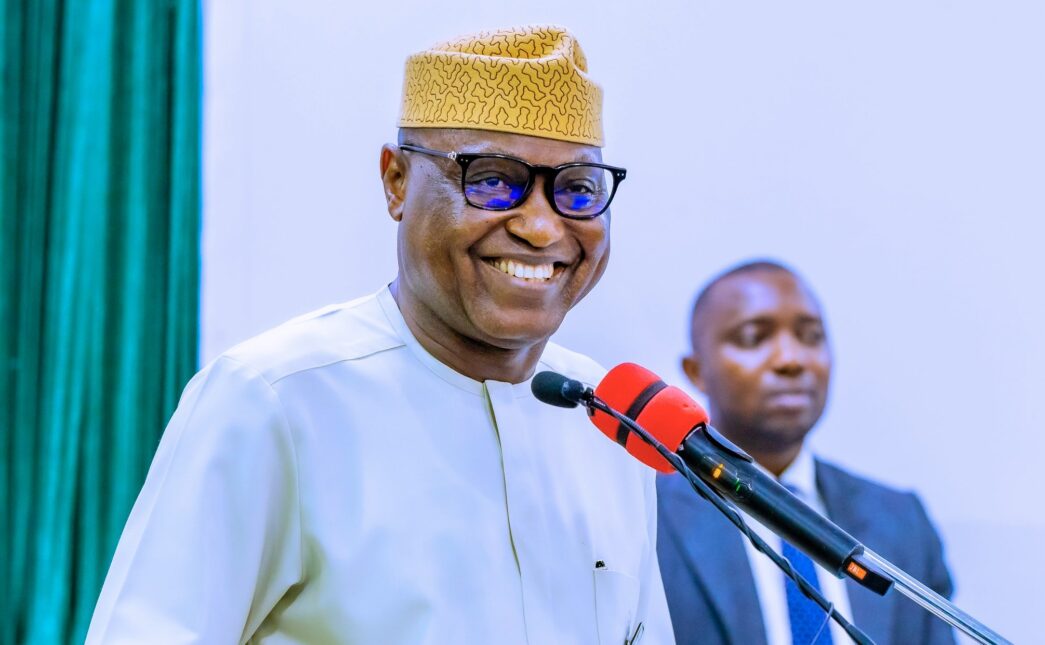
Oyebanji Defends Election Outcome
Governor Biodun Oyebanji used a post-election briefing to address critics who questioned the political atmosphere surrounding the election.
According to the governor, the results demonstrated the will of the electorate and highlighted the importance of direct engagement with voters at the grassroots level.
He argued that political campaigns must extend beyond online discussions and focus on bBiodun Oyebanji re-election responseuilding relationships with communities and citizens who ultimately decide election outcomes.
The governor maintained that voter support is earned through governance, service delivery, and visible achievements rather than online popularity.
Polling Units Remain the Deciding Factor
During his remarks, Oyebanji emphasized that elections are won at polling units where citizens cast their votes.
He suggested that some political actors had focused excessively on digital platforms while neglecting physical engagement with communities.
According to him, social media discussions may influence public debate, but they do not replace the actual voting process conducted across polling stations.
This point formed a central part of the Biodun Oyebanji re-election response and reflected his belief in grassroots political participation.
Performance and Public Trust
The governor also linked electoral success to government performance.
He stated that leaders who deliver on their promises are more likely to gain public support during elections. In his view, citizens evaluate administrations based on policies, projects, and overall governance before deciding whether to renew their mandate.
This argument aligns with a common political principle that voters often assess the impact of government actions on their daily lives before making electoral decisions.
Criticism of Opposition Tactics
Another major aspect of the governor’s comments involved criticism of opposition strategies.
Oyebanji argued that some opponents relied heavily on media appearances and social media engagement rather than presenting alternative policy ideas or strengthening grassroots structures.
He suggested that campaigns built primarily around online narratives may struggle to translate public attention into actual votes.
While political observers frequently debate the role of social media in elections, the governor maintained that traditional voter mobilization remains a crucial element of electoral success.
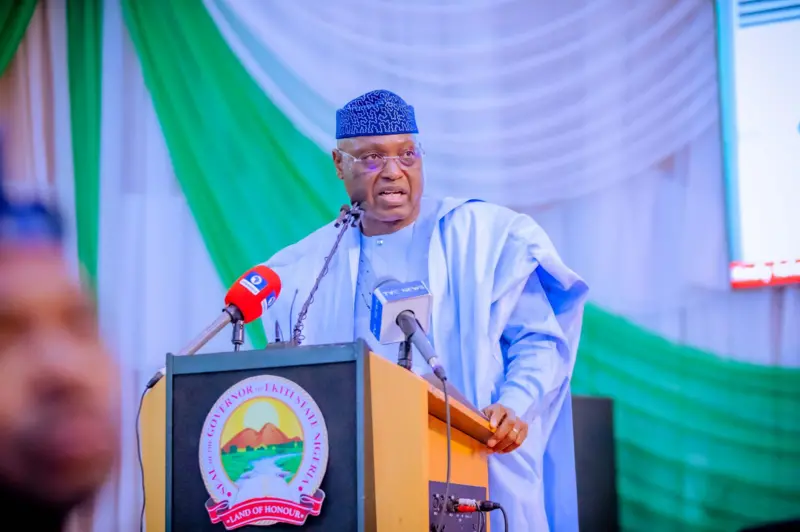
The Role of Political Communication
Political communication has evolved significantly in recent years, with digital platforms becoming important tools for candidates and parties.
These platforms allow politicians to:
- Share campaign messages quickly
- Engage directly with supporters
- Respond to political developments
- Reach younger demographics
- Promote policy initiatives
However, elections are ultimately determined by registered voters who participate in the voting process. This reality continues to make grassroots mobilization an important component of political campaigns.
Social Media Versus Ground Campaigns
The discussion raised by Oyebanji reflects a broader conversation taking place in many democracies around the world.
While social media can shape public discourse and influence perceptions, political analysts often note that successful campaigns combine digital outreach with traditional engagement methods such as:
- Community meetings
- Town hall discussions
- Door-to-door campaigns
- Stakeholder consultations
- Local political organizing
The governor’s remarks underscored his view that both approaches serve different purposes, but only votes cast at polling units determine election winners.
Message to Political Sponsors and Supporters
During the briefing, Oyebanji also referred to individuals who may have supported opposition efforts during the election.
He suggested that those involved in backing unsuccessful campaigns would need to assess the outcome and understand why voters made their choice.
The statement appeared to reflect his confidence in the election result and his belief that the electorate had delivered a clear verdict.
Political sponsorship remains a common feature of electoral contests, with parties and candidates often receiving support from various stakeholders. Election outcomes can therefore lead to broader discussions within political circles about strategy, messaging, and voter engagement.
Electoral Accountability
Election results often serve as a measure of public satisfaction or dissatisfaction with political leadership.
For incumbent office holders, re-election can be interpreted as a sign that a significant portion of voters approves of the administration’s direction.
At the same time, opposition groups may use election outcomes as an opportunity to review campaign strategies and identify areas for improvement ahead of future contests.
The Biodun Oyebanji re-election response highlighted this dynamic by emphasizing accountability to voters and the importance of electoral performance.
Oyebanji Thanks Ekiti Voters
Beyond responding to critics, the governor used the occasion to express gratitude to the people of Ekiti State.
He thanked voters for their confidence in his administration and for participating in the democratic process.
According to Oyebanji, the election outcome represents an opportunity to continue pursuing development goals and strengthening governance across the state.
His message focused on unity and cooperation as key elements for the future.
Call for Peace and Harmony
The governor described the election as a milestone that could encourage greater consensus building within the state’s political environment.
He emphasized values such as:
- Peaceful coexistence
- Political harmony
- Inclusive governance
- Constructive engagement
- Shared development goals
These themes formed an important part of his post-election message and reflected his vision for the next phase of governance.
A New Political Chapter for Ekiti
Oyebanji stated that Ekiti was entering what he described as a new era characterized by collaboration and mutual understanding.
He suggested that political engagement should focus on consensus and collective progress rather than division.
Such statements are common following election victories, as leaders often seek to unite supporters and opponents behind broader development objectives.
For many residents, attention is now likely to shift from campaign activities to governance priorities and policy implementation.
What the Re-Election Means Going Forward
The governor’s victory provides his administration with another opportunity to advance ongoing programs and initiatives.
As with any re-elected government, expectations from citizens are likely to remain high.
Key areas that may continue to attract public attention include:
- Infrastructure development
- Economic growth initiatives
- Education policies
- Healthcare improvements
- Job creation efforts
- Public service delivery
Voters will ultimately assess future performance based on outcomes in these and other sectors.
The Biodun Oyebanji re-election response has therefore not only addressed political criticism but also set the tone for the administration’s next phase.

Frequently Asked Questions
What did Biodun Oyebanji say after his re-election victory?
Biodun Oyebanji stated that elections are decided at polling units by voters and not on social media platforms. He argued that strong governance and grassroots engagement contribute significantly to electoral success.
Why did Oyebanji criticize social media political campaigns?
The governor suggested that some political actors focused too heavily on online discussions while neglecting direct engagement with voters in communities across the state.
What was the main message in the Biodun Oyebanji re-election response?
The main message was that performance in office and voter support at polling units are more important than social media activity when it comes to winning elections.
How did Oyebanji react to Ekiti voters after the election?
He thanked the electorate for their confidence in his administration and called for continued peace, harmony, and cooperation across the state.
Conclusion
Governor Biodun Oyebanji’s post-election remarks combined a defense of the electoral process with a message of gratitude to Ekiti voters. While responding to critics, he emphasized the importance of grassroots political engagement and government performance as factors in electoral success. As the state moves forward after the election, attention will likely focus on governance priorities, public expectations, and the administration’s plans for the years ahead.
Click here for more news