 0
0
 0
0
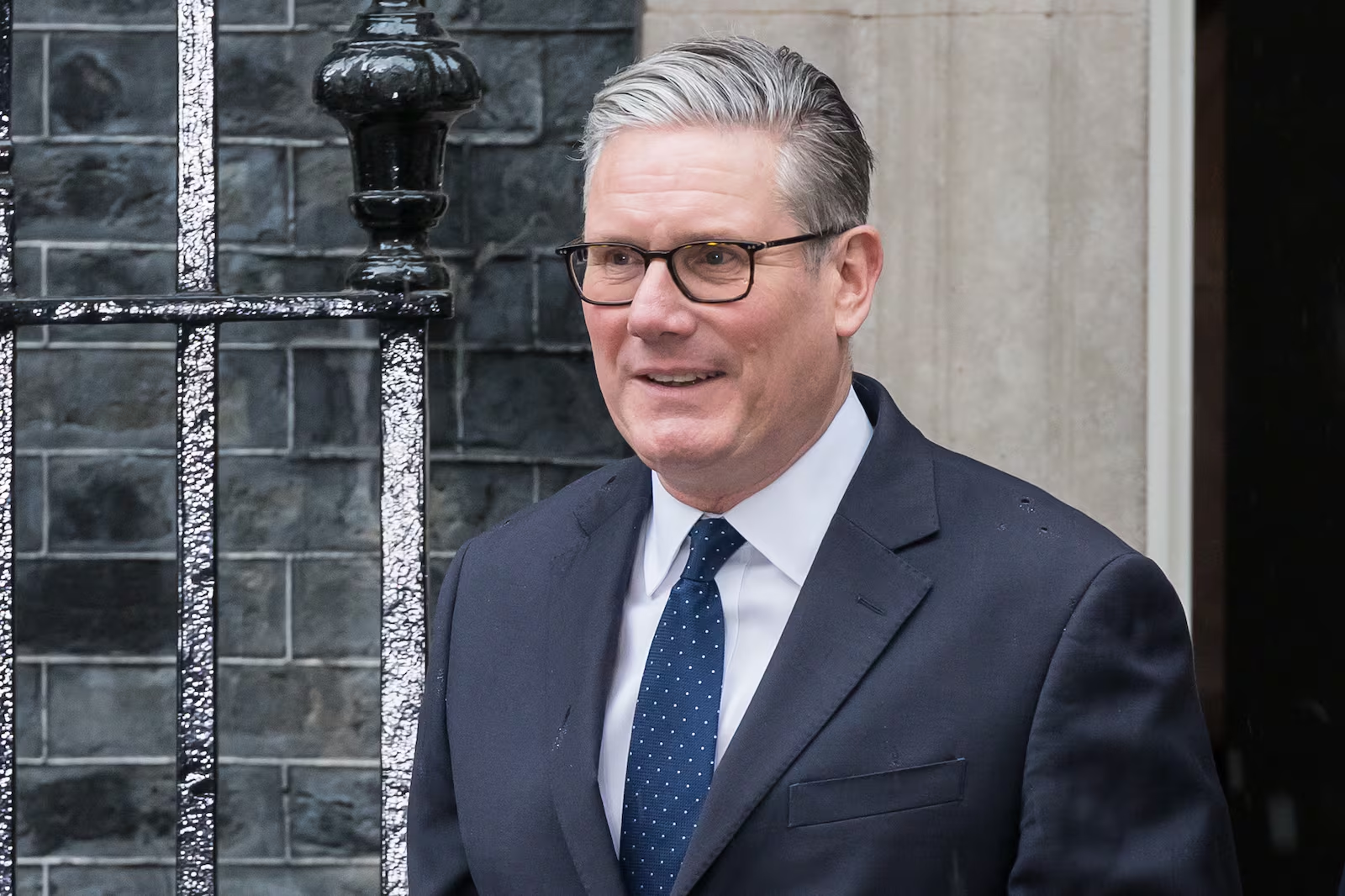
The Keir Starmer political future decision has become a major topic in UK politics as reports suggest the Prime Minister is reviewing his position following increased pressure from within the Labour Party. The development comes after Andy Burnham’s return to Parliament, which has intensified internal debates about leadership direction and party unity.
According to multiple political reports, discussions within Labour have grown more serious in recent days, with senior figures and ministers reportedly questioning the party’s current leadership trajectory.
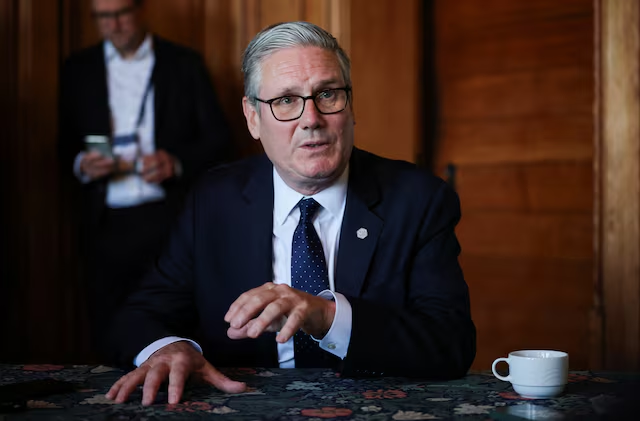
Labour Party Faces Internal Leadership Pressure
The Labour Party is experiencing renewed internal tension as prominent political figures assess the leadership situation.
The Keir Starmer political future decision is now linked to growing concerns among party members about performance, strategy, and electoral momentum.
Rising Influence of Andy Burnham
Andy Burnham’s return to Parliament has shifted political dynamics within the party.
His renewed presence has led to:
- Increased discussions on leadership alternatives
- Renewed attention on Labour’s internal direction
- Calls for strategic reassessment within the party
- Greater visibility for potential leadership challengers
Burnham is widely viewed as a significant figure capable of influencing future party debates, although no formal leadership challenge has been confirmed.
Internal Calls for Change
Reports indicate that some ministers and lawmakers have begun openly or privately calling for changes in leadership direction.
These concerns reportedly focus on:
- Party unity and internal cohesion
- Electoral performance outlook
- Public messaging strategy
- Policy direction clarity
The growing debate has placed additional attention on the Keir Starmer political future decision, with speculation about whether leadership adjustments could occur.
Keir Starmer’s Reported Considerations
Prime Minister Keir Starmer is said to be evaluating his political position following recent developments within the party.
Although no official resignation or leadership announcement has been made, political observers suggest that internal pressure may influence upcoming decisions.
Possible Timeline of Decision-Making
Some reports suggest that decisions regarding leadership direction could come quickly, potentially within days.
Key factors influencing timing include:
- Party stability considerations
- Parliamentary support levels
- Public and media response
- Internal Labour consultations
The phrase Keir Starmer political future decision has increasingly been used in political commentary to describe this uncertain period.
Political Strategy Under Review
Analysts note that leadership evaluations often involve broader strategic assessments, including:
- Government policy priorities
- Election readiness
- Public approval trends
- Cabinet cohesion
Such reviews are common in parliamentary systems during periods of internal party pressure or leadership uncertainty.
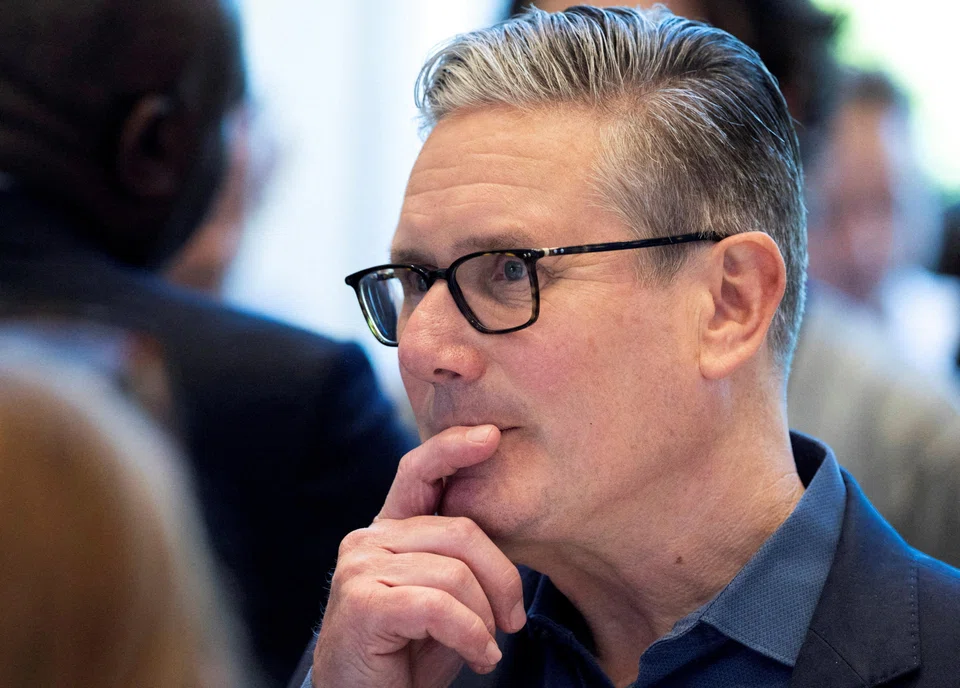
Labour Party Dynamics and Power Balance
The Labour Party is currently navigating a complex internal landscape, with multiple figures influencing the direction of debate.
Key Political Factors Influencing the Party
Several issues are shaping current internal discussions:
- Leadership stability concerns
- Electoral performance expectations
- Policy positioning challenges
- Party unity management
- Public perception of leadership effectiveness
Each of these elements contributes to the broader context surrounding the Keir Starmer political future decision.
Role of Senior Ministers
Senior Labour ministers are reported to be actively involved in internal discussions about leadership and direction.
Their concerns reportedly include:
- Maintaining government stability
- Preserving party unity
- Ensuring policy continuity
- Managing public trust
The involvement of senior officials highlights the seriousness of current internal deliberations.
Political Implications of Leadership Uncertainty
Leadership uncertainty within a governing party often has broader political consequences.
Potential Impact on Governance
If leadership debates continue, possible effects may include:
- Slower policy implementation
- Increased internal negotiations
- Reduced political focus on reforms
- Heightened media scrutiny
Such situations can affect both domestic policy progress and international political engagement.
Public and Party Perception
Public perception plays a major role in leadership stability.
Factors influencing perception include:
- Economic performance indicators
- Public service delivery
- Political communication effectiveness
- Media coverage of internal disputes
The Keir Starmer political future decision is therefore closely tied to how both voters and party members interpret current developments.
Context: Labour Party Leadership History
The Labour Party has experienced multiple leadership transitions in recent political history, often shaped by internal debates and electoral outcomes.
Leadership Transition Patterns
Historically, leadership changes within the party have occurred due to:
- Electoral setbacks
- Policy disagreements
- Internal party pressure
- Shifts in public support
These patterns provide context for current discussions, although each political situation remains unique.
Importance of Party Unity
Party unity is often considered essential for maintaining government effectiveness.
Challenges to unity may lead to:
- Reduced parliamentary cohesion
- Internal factional disputes
- Strategic uncertainty
- Public confidence concerns
What Happens Next in UK Politics
As speculation continues, attention remains on whether Keir Starmer will make a formal announcement regarding his political future.
Key Scenarios Being Discussed
Political analysts generally outline several possible outcomes:
- Continued leadership with internal restructuring
- Temporary leadership adjustments within the party
- Voluntary leadership transition
- Extended internal review period
Each scenario depends on internal negotiations and political developments within Labour.
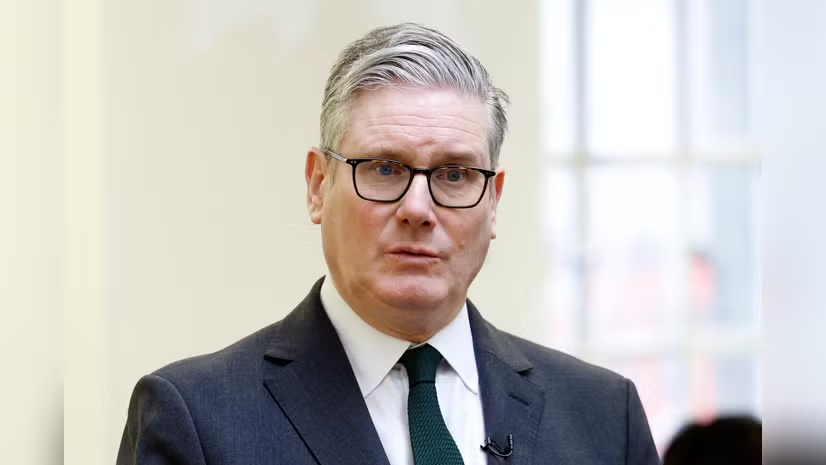
Broader National Impact
Any leadership change within the governing party could have implications for:
- National policy direction
- Parliamentary stability
- Upcoming electoral cycles
- International diplomatic positioning
The situation remains fluid, with ongoing developments expected in the coming days.
Frequently Asked Questions
What is the Keir Starmer political future decision about?
It refers to reports that UK Prime Minister Keir Starmer is considering his position amid internal Labour Party pressure and leadership discussions.
Why is Andy Burnham mentioned in Labour Party discussions?
Andy Burnham’s return to Parliament has increased attention on potential leadership alternatives and influenced internal party debates.
Are there confirmed plans for Starmer to resign?
No official resignation or leadership change has been announced. Discussions are based on political reports and speculation.
How could Labour Party leadership changes affect UK politics?
A leadership change could influence government stability, policy direction, and upcoming electoral strategies.
Conclusion
The Keir Starmer political future decision reflects a period of heightened political attention within the Labour Party as internal debates continue to evolve. While no official decision has been confirmed, ongoing discussions involving senior party figures and emerging political dynamics suggest that leadership considerations remain a central issue. The coming days are expected to clarify the direction of the party and its leadership structure moving forward.
Click here for more news