 0
0
 0
0
The Nigerian army Boko Haram rescue operation has resulted in the liberation of 360 abducted civilians in Borno State, following a major military offensive in the Mandara Mountains. The Nigerian army Boko Haram rescue mission targeted one of the remaining strongholds of insurgents in northeastern Nigeria, marking a significant development in ongoing counterterrorism efforts.
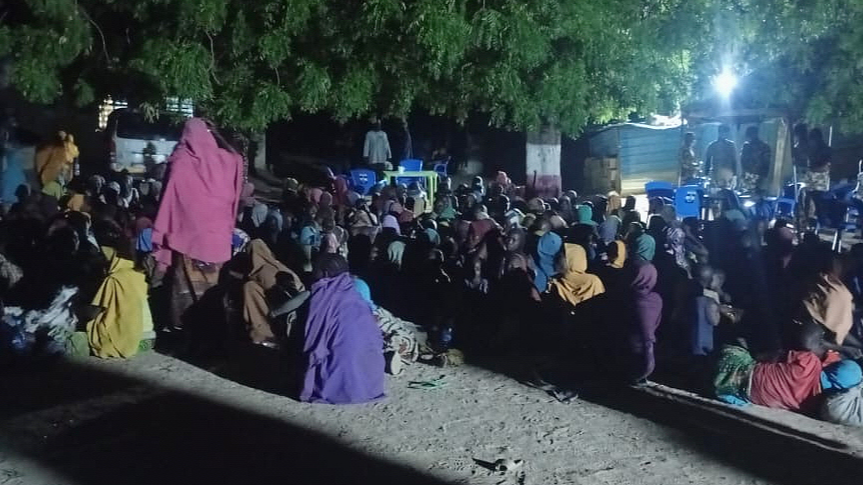
The rescued individuals, mostly women and children, had been held by Boko Haram militants across different communities in the region before being freed during the coordinated operation.

Major Military Operation in Mandara Mountains
The rescue operation took place in the Mandara Mountains, a difficult terrain in southern Borno State known for sheltering insurgent groups.
The Nigerian army Boko Haram rescue effort was carried out as part of intensified military campaigns aimed at weakening extremist networks operating in the northeast.
Strategic Importance of the Mandara Mountains
The Mandara Mountains have long served as:
- A hideout for Boko Haram militants
- A challenging terrain for military operations
- A transit route for cross-border movement
- A stronghold for insurgent coordination
Military operations in this region require careful planning due to its rugged landscape and limited accessibility.
Scale of the Rescue Mission
According to military authorities, the operation led to:
- The rescue of 360 abducted individuals
- Evacuation to secure locations
- Immediate medical and humanitarian assistance
- Disruption of insurgent activities in the area
Conditions of Rescued Captives
The rescued civilians included women and children who had endured harsh conditions during their captivity.
The Nigerian army Boko Haram rescue mission revealed the severe humanitarian impact of prolonged abduction in conflict zones.
Health and Medical Response
Following the rescue, authorities confirmed that:
- All survivors were moved to safe locations
- Medical teams were deployed for urgent care
- Psychological and humanitarian support was provided
- Emergency evaluations were conducted for vulnerable victims
Tragic Losses During Operation
Military spokesperson Haruna Sani confirmed that two infants died due to exhaustion caused by harsh conditions endured during captivity and the rescue process.
This highlights the severe toll of prolonged militant captivity on vulnerable groups.
Military Response and Official Statement
The Nigerian army described the operation as a major success in its ongoing counterinsurgency efforts.
The Nigerian army Boko Haram rescue operation was praised for weakening the operational capacity of insurgents in the region.
Official Military Assessment
According to military authorities, the operation:
- Disrupted terrorist activities in the area
- Weakened Boko Haram’s local structure
- Improved security conditions in affected zones
- Demonstrated operational effectiveness in difficult terrain
Evacuation and Safety Measures
After the rescue, the army ensured:
- Safe relocation of survivors
- Coordination with humanitarian agencies
- Medical screening for rescued individuals
- Security reinforcement in surrounding areas
Boko Haram Insurgency in Northeastern Nigeria
The rescue comes amid ongoing military efforts against Boko Haram and the Islamic State West Africa Province (ISWAP), which have been active in the region for over a decade.
The Nigerian army Boko Haram rescue highlights the continued challenges facing Nigeria’s security forces.
Long-Term Conflict Impact
The insurgency has resulted in:
- Thousands of deaths over the past decade
- Millions of internally displaced persons
- Destruction of communities and infrastructure
- Ongoing humanitarian crises in the northeast

Continued Military Operations
Security forces have intensified operations targeting insurgent groups across the Lake Chad Basin.
Recent developments include:
- Joint operations with international partners
- Targeted strikes against militant positions
- Rescue missions for abducted civilians
- Disruption of supply routes used by insurgents
Regional Security Developments
The rescue operation follows other recent military actions aimed at weakening extremist groups in the region.
The Nigerian army Boko Haram rescue is part of a broader security strategy focused on restoring stability.
Coordination With International Support
Authorities have previously reported cooperation with international allies in counterterrorism efforts, including joint missions targeting insurgent fighters.
These operations aim to:
- Reduce militant activity in the region
- Strengthen intelligence sharing
- Improve rapid response capabilities
- Support regional stabilization efforts
Security Challenges Ahead
Despite operational gains, analysts continue to emphasize that:
- Insurgency threats remain active
- Rural communities remain vulnerable
- Long-term stabilization requires non-military solutions
- Humanitarian recovery is still ongoing
Humanitarian Concerns and Recovery Efforts
Beyond military success, attention is also focused on supporting rescued civilians and rebuilding affected communities.
Support for Survivors
Rescued individuals require:
- Medical treatment and rehabilitation
- Psychological counseling
- Family reunification efforts
- Long-term reintegration support
Community Stabilization Needs
Efforts to stabilize affected areas include:
- Reconstruction of damaged infrastructure
- Restoration of basic services
- Strengthening local governance
- Security reinforcement in vulnerable zones

FAQ
What happened during the Nigerian army rescue operation in Borno?
The Nigerian army rescued 360 civilians abducted by Boko Haram during an operation in the Mandara Mountains.
Where did the Boko Haram rescue take place?
The rescue operation occurred in the Mandara Mountains in southern Borno State, northeastern Nigeria.
Who were rescued in the operation?
The rescued individuals were mainly women and children abducted from various communities.
What is the significance of this operation?
It represents a major success in ongoing counterinsurgency efforts against Boko Haram and ISWAP in northeastern Nigeria.
Conclusion
The Nigerian army Boko Haram rescue operation marks a significant milestone in the ongoing fight against insurgency in northeastern Nigeria. While the liberation of 360 captives highlights progress in military operations, the broader challenge of stabilizing affected communities and addressing humanitarian needs remains critical. Continued efforts will be required to ensure long-term peace and recovery in the region.
Click here for more news