 0
0
 0
0
Montenegro EU membership 2028 has emerged as a central national ambition as the Balkan country celebrates 20 years of independence from its former union with Serbia. The small European nation is marking two decades of sovereignty while accelerating efforts to become the next member of the European Union by 2028.
Already a member of NATO, Montenegro is now focusing on completing reforms required for full EU integration. Government officials and political leaders continue to express optimism that the country is on track to achieve its “28 by 28” vision, provided reforms remain consistent.
Montenegro’s 20-Year Journey Since Independence
Montenegro declared independence in 2006 following the dissolution of its state union with Serbia. Since then, the country has worked steadily to build democratic institutions, strengthen governance, and align itself with Western political and economic structures.
The current focus keyword Montenegro EU membership 2028 reflects the country’s long-term European integration strategy.
Building a New Sovereign State
After independence, Montenegro focused on key nation-building priorities such as:
- Establishing a new constitution
- Creating independent state institutions
- Developing foreign policy autonomy
- Strengthening democratic governance systems
These foundational steps helped position the country for deeper international integration.
NATO Membership as a Strategic Milestone
A major turning point came in 2017 when Montenegro joined NATO.
This achievement strengthened:
- National defense and security systems
- Cooperation with Western allies
- International diplomatic recognition
NATO membership is widely seen as a stepping stone toward EU accession.
Montenegro EU Membership 2028 Plan Explained
The government has set a clear goal of joining the European Union by 2028, a plan often referred to as “28 by 28.”
Meaning of the “28 by 28” Strategy
The “28 by 28” slogan represents:
- Target year for EU membership (2028)
- National reform commitment roadmap
- Political and institutional modernization strategy
It has become a symbol of national direction and ambition.
Government Position on EU Accession
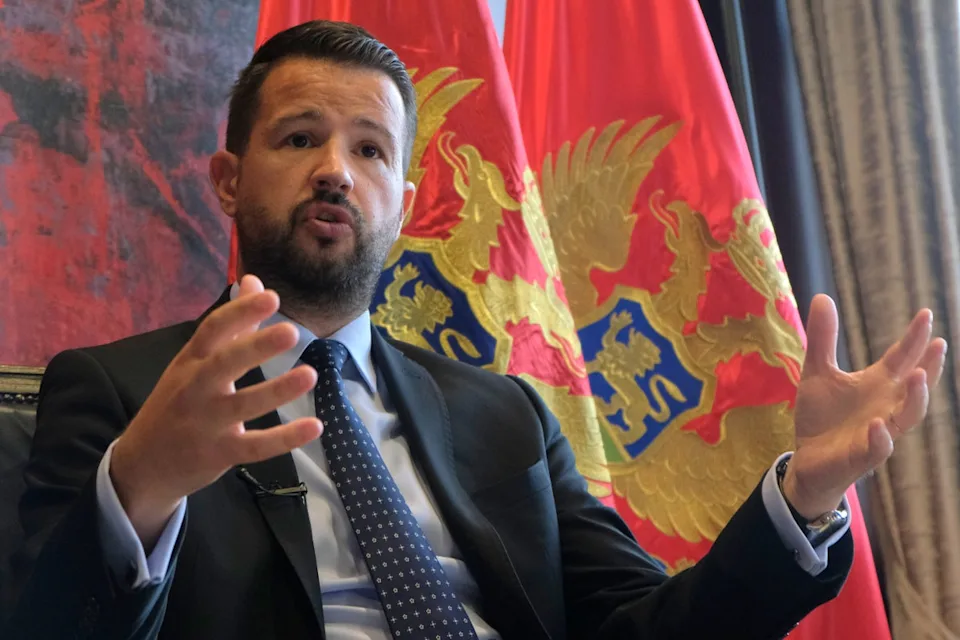
President Jakov Milatović has repeatedly expressed confidence in the Montenegro EU membership 2028 goal.
He emphasized that progress depends on:
- Continued reform implementation
- Strengthening democratic institutions
- Aligning fully with EU standards
Public Awareness and National Messaging
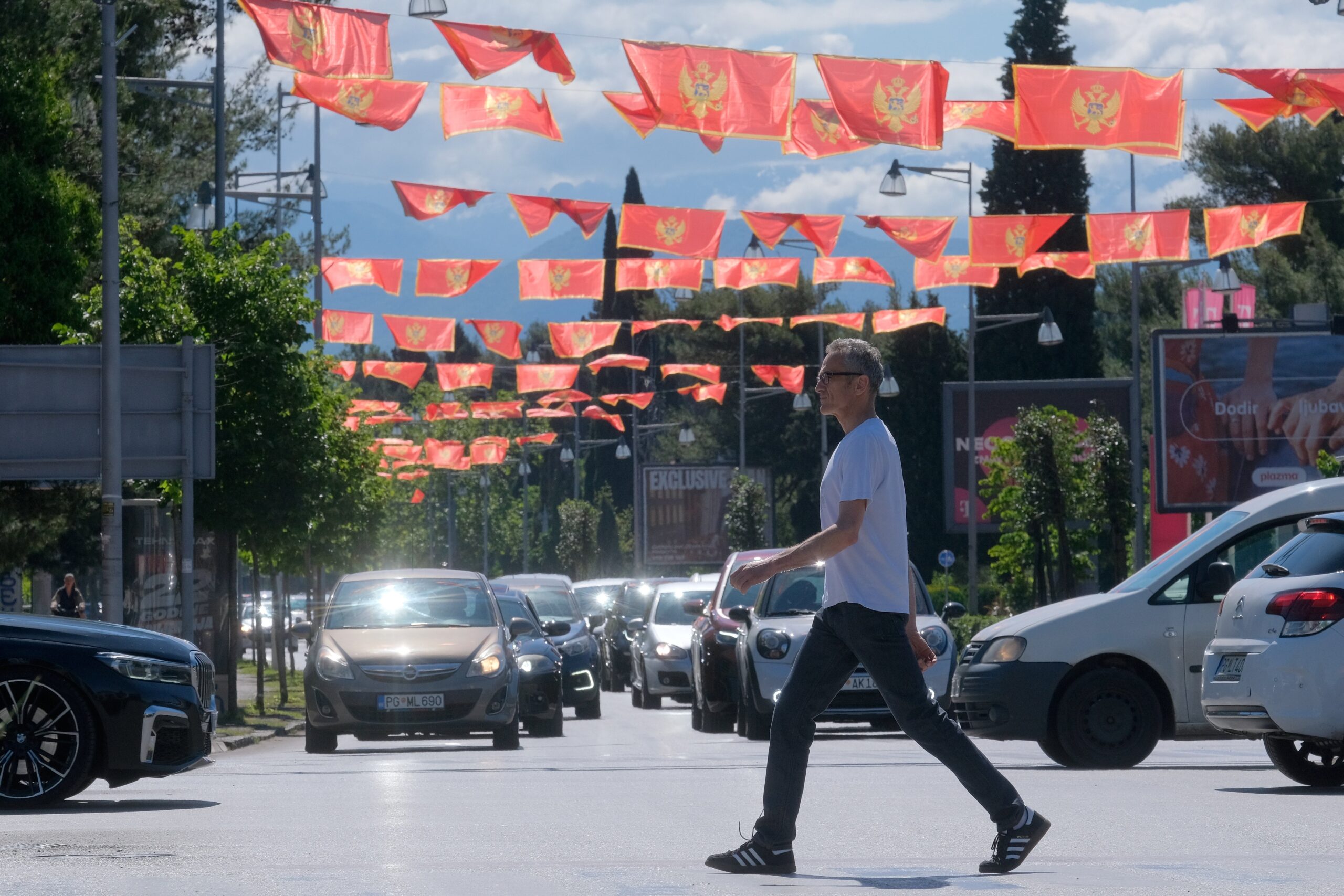
The slogan has gained visibility across the country, including its appearance on national branding campaigns and public communications, reinforcing the seriousness of the EU integration plan.
Independence Anniversary Celebrations Across Montenegro
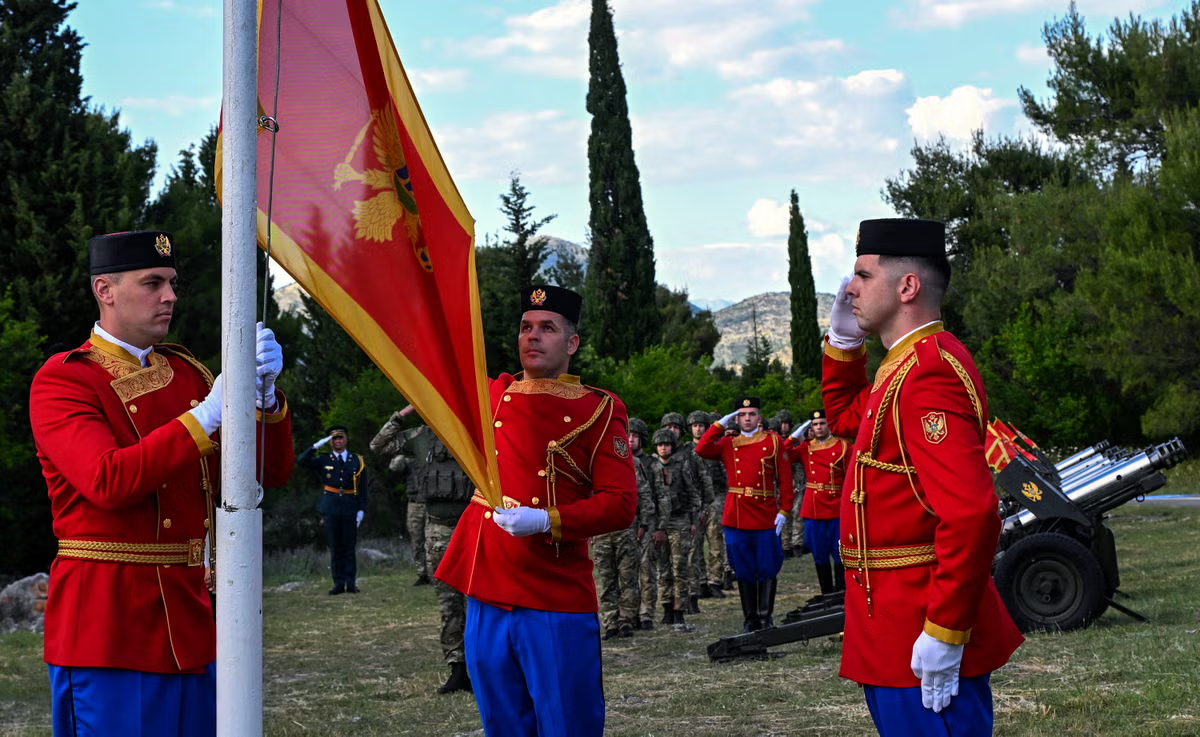
Montenegro is currently marking 20 years since independence with nationwide celebrations.
Nationwide Events and Activities
Festive events are taking place across:
- Podgorica (capital city)
- Coastal tourism regions
- Mountain communities
Celebrations include:
- Public concerts
- Cultural performances
- National commemorations
Symbolic Importance of the Anniversary
The anniversary highlights both historical progress and future goals, including the Montenegro EU membership 2028 ambition as a key national priority.
Political Leadership and Reform Agenda
The country’s leadership continues to stress that reforms are essential for achieving EU membership.
President Jakov Milatović’s Position
President Milatović has described EU accession as an achievable goal if reforms remain consistent.
He highlighted:
- Institutional development
- Economic modernization
- Strengthening democratic governance
Core Reform Priorities for EU Integration
To meet accession requirements, Montenegro is focusing on several key areas:
Judicial and Legal Reforms
- Strengthening rule of law
- Ensuring judicial independence
- Improving transparency in legal processes
Economic Transformation
- Encouraging foreign investment
- Supporting private sector development
- Enhancing financial stability
Governance and Administration
- Reducing bureaucracy
- Improving public service efficiency
- Fighting corruption
Strategic Importance of Montenegro in Europe
Located in the Western Balkans, Montenegro holds a strategic position along the Adriatic Sea.
Geographic and Economic Strengths
The country is known for:
- Coastal tourism industry
- Natural mountain landscapes
- Strategic maritime location
Tourism remains one of the most important sectors of the economy.
Role in Regional Stability
Montenegro’s EU membership bid is part of broader efforts to strengthen stability in the Western Balkans.
Challenges Facing EU Membership Goals
Despite strong political commitment, several challenges remain before full accession can be achieved.
Institutional Reform Demands
The European Union requires candidate countries to demonstrate:
- Strong democratic institutions
- Independent judiciary systems
- Effective governance structures
Maintaining Reform Momentum
Sustained progress is essential for meeting the 2028 target, and challenges include:
- Political continuity
- Administrative efficiency
- Long-term policy implementation
Broader EU Enlargement Context
Montenegro’s accession bid is part of a wider EU enlargement process involving multiple Western Balkan countries.
Regional Impact of EU Integration
EU membership could bring:
- Greater economic cooperation
- Increased political stability
- Expanded investment opportunities
EU Evaluation Standards
The European Union assesses candidates based on:
- Reform progress
- Economic readiness
- Institutional stability
FAQ
What is Montenegro’s EU membership goal?
Montenegro aims to join the European Union by 2028 under its “28 by 28” reform strategy.
Is Montenegro already part of NATO?
Yes, Montenegro became a NATO member in 2017.
What reforms are required for EU membership?
The country must strengthen judicial independence, improve governance, and reduce corruption.
Why is Montenegro’s EU accession important?
It would improve regional stability and integrate Montenegro more closely into European political and economic systems.
Montenegro EU membership 2028 remains a key national objective supported by ongoing reforms and political commitment. While challenges still exist, the country continues to position itself as a strong candidate for future European Union integration.
Click here for more news