 0
0
 0
0
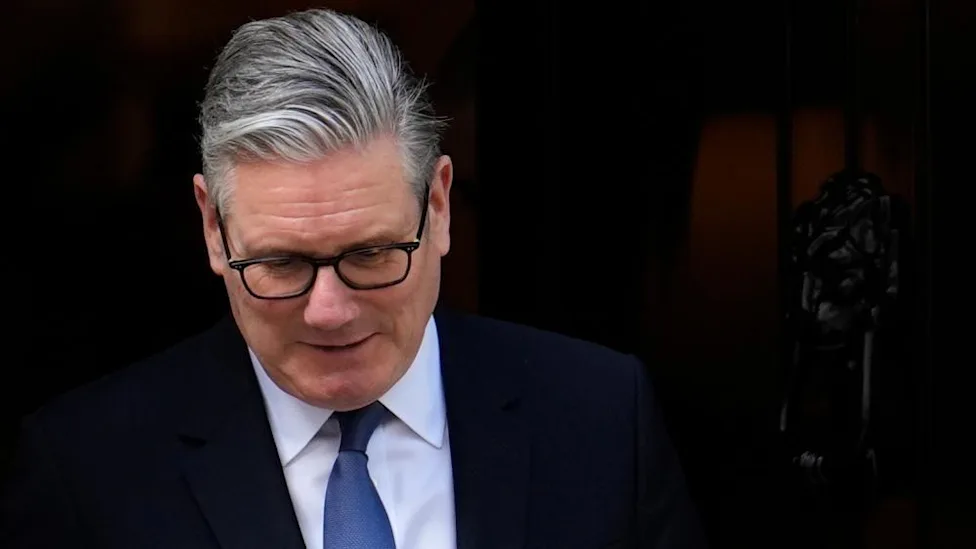
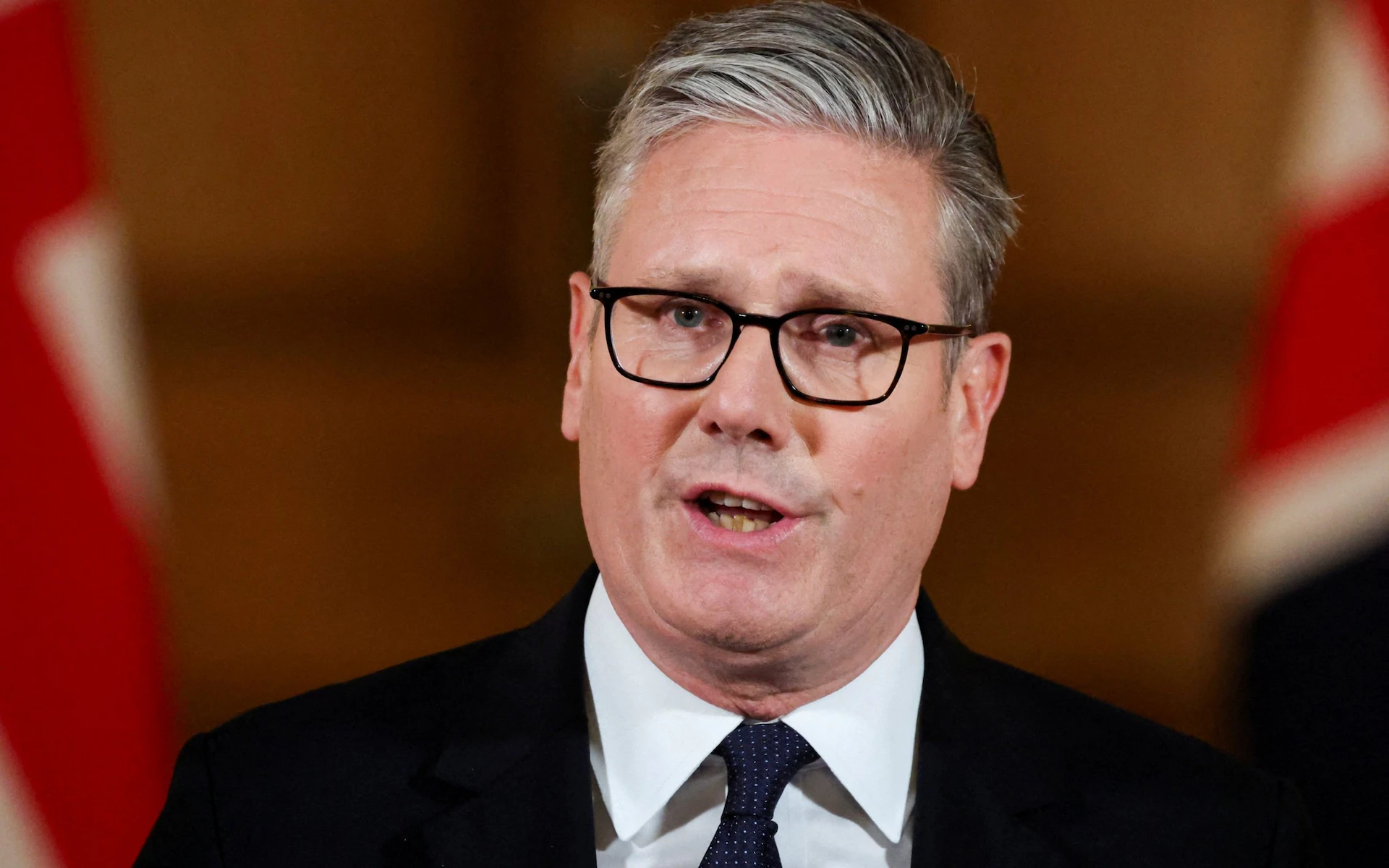
The Keir Starmer leadership crisis has intensified following a disappointing set of election results that have shaken confidence within the Labour Party and triggered renewed debate about the party’s direction. What was once considered a stable period for Labour leadership is now being tested by internal disagreement, public pressure, and growing uncertainty over future political control.
Reports from Westminster suggest that frustration is no longer confined to quiet conversations behind closed doors. Instead, it is becoming increasingly visible, with backbench MPs and political figures beginning to openly question the leadership’s stability and long-term strategy.
Election Fallout Deepens Labour Tensions
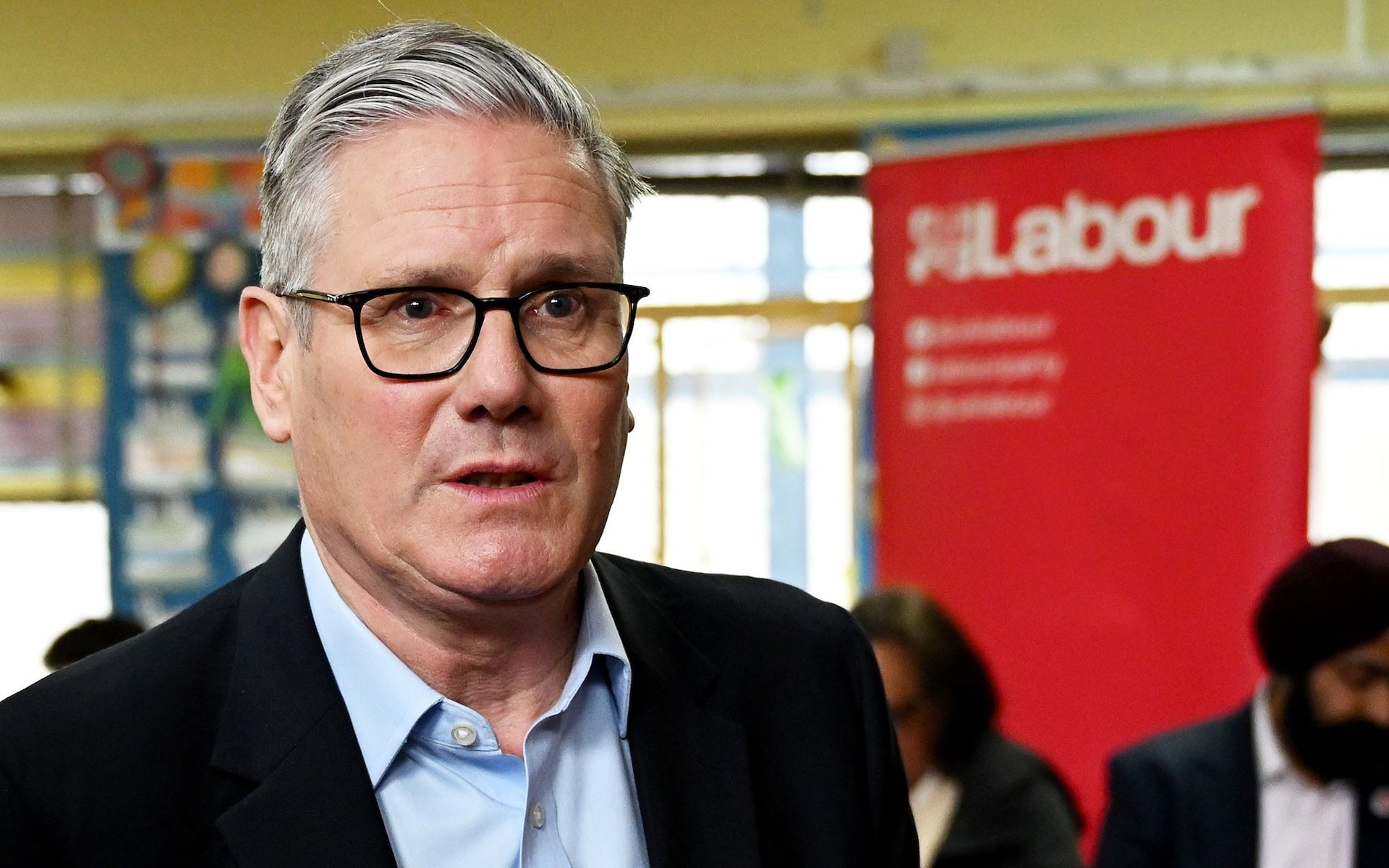
The latest election outcomes have created a ripple effect across the Labour Party, exposing divisions that had previously been contained. The Keir Starmer leadership crisis has become a focal point for internal debate, particularly as expectations for strong electoral performance were not fully met.
Growing concerns within the party
Within Labour ranks, several concerns have been repeatedly raised:
- Declining voter confidence in key constituencies
- Weak performance in expected swing areas
- Internal disagreements over campaign messaging
- Uncertainty about long-term leadership direction
These issues have contributed to a perception that the party is struggling to maintain momentum at a critical political stage.
Pressure from backbench MPs
One of the most significant developments is the emergence of pressure from backbench MPs. Among them, Catherine West has been reported to have initiated what is described in political terms as a “stalking-horse” challenge. This move is seen as an early signal of dissatisfaction within parts of the party, even if it does not yet represent a fully unified rebellion.
Catherine West and the Stalking-Horse Challenge Explained
The involvement of Catherine West has added a new dimension to the Keir Starmer leadership crisis, introducing a mechanism often used in UK politics when leadership confidence begins to weaken.
What is a stalking-horse challenge?
A stalking-horse challenge is an internal party process where a candidate emerges to test the strength of a leader’s support before a broader contest develops. It is not always intended to immediately replace the leader but instead to:
- Measure internal party loyalty
- Signal dissatisfaction within factions
- Encourage wider leadership debates
- Test political vulnerability
In this context, it reflects early-stage pressure rather than a fully coordinated leadership coup.
Political implications of the move
The presence of such a challenge suggests:
- Growing unease among Labour MPs
- Potential fractures in party unity
- A shift in internal power dynamics
- Increased uncertainty about leadership stability
While not all members support such action, it has still contributed to intensifying discussion around the Keir Starmer leadership crisis.
Cabinet Unity Under Pressure
Another key factor shaping the situation is the response from within the Cabinet. So far, there has been limited public movement from senior figures, but political observers note that silence does not necessarily indicate agreement.
Mixed signals from senior officials
Inside government circles, there are reports of:
- Private discussions about leadership direction
- Cautious public messaging to avoid instability
- Attempts to project unity despite internal concerns
This has led to speculation that the Cabinet is carefully balancing loyalty with political survival.
Risks of internal fragmentation
If disagreements become more visible, potential risks include:
- Loss of coordinated political messaging
- Weakening of government authority
- Increased influence of rival factions
- Broader instability within party leadership structures
These dynamics continue to fuel the ongoing Keir Starmer leadership crisis narrative.
Succession Silence and Political Calculations
One of the most notable aspects of the current situation is the lack of clear successors stepping forward. Despite speculation, potential leadership contenders have largely remained silent.
Why potential successors are staying quiet
Political insiders suggest several reasons for this restraint:
- Fear of premature exposure to internal conflict
- Desire to avoid damaging factional splits
- Uncertainty about timing and viability of a challenge
- Strategic waiting for further developments
This silence has created a vacuum of leadership alternatives, reinforcing uncertainty.
Strategic positioning within Labour
While no clear challenger has emerged, political positioning is still occurring behind the scenes. Some figures are believed to be:
- Strengthening alliances within the party
- Monitoring public and internal sentiment
- Assessing leadership stability over time
This quiet positioning adds complexity to the Keir Starmer leadership crisis without triggering immediate confrontation.
Devolved Governments and UK Union Concerns
Beyond Westminster, political developments in devolved administrations are adding another layer of pressure. The rising influence of parties such as the SNP and Plaid Cymru is shaping broader constitutional discussions.
Increasing influence of devolved leadership
With the SNP expected to maintain strong influence in Scotland and Plaid Cymru continuing its role in Wales, questions are being raised about:
- The balance of power within the United Kingdom
- Future cooperation between central and devolved governments
- Policy alignment across regions
Implications for national unity
These developments contribute to wider political uncertainty, particularly as tensions between central and devolved governments may:
- Increase constitutional debate
- Complicate national policy implementation
- Heighten regional political identity discussions
This broader context indirectly feeds into concerns surrounding the Keir Starmer leadership crisis and overall government stability.
What Happens Next for Labour Leadership Crisis
The next phase of the Keir Starmer leadership crisis will likely depend on several key factors, including party unity, public reaction, and electoral recovery efforts.
Key scenarios moving forward
Possible outcomes include:
- Stabilisation within the party
Internal dissent may be contained through negotiation and political management. - Escalation of leadership pressure
Further challenges could emerge if electoral concerns persist. - Reorganisation of leadership strategy
Policy shifts or reshaped messaging may be introduced to regain support.
Critical factors to watch
Observers are focusing on:
- Future election performance indicators
- Cabinet cohesion and public messaging
- Activity among backbench MPs
- Emergence of leadership alternatives
The coming months are expected to be decisive in determining whether tensions settle or intensify further.
FAQ
What triggered the Keir Starmer leadership crisis?
The crisis emerged following disappointing election results that raised concerns about Labour’s performance and internal direction.
What is a stalking-horse challenge in UK politics?
It is an early internal challenge used to test a leader’s support before a full leadership contest is triggered.
Is Keir Starmer likely to face a leadership contest soon?
There is no confirmed leadership contest, but internal pressure and political uncertainty have increased speculation.
How does this affect the Labour Party’s future?
Ongoing tensions could impact party unity, electoral strategy, and public confidence if not managed effectively.
Conclusion
The Keir Starmer leadership crisis reflects a period of political uncertainty shaped by election setbacks, internal party pressure, and broader constitutional concerns across the United Kingdom. While no formal leadership change is underway, growing tensions within Labour and the silence of potential successors suggest a delicate political balance.
How the party responds in the coming months will determine whether this moment becomes a temporary challenge or a more defining turning point in its leadership trajectory.
Click here for more news