 0
0
 0
0
The hantavirus cruise ship outbreak deaths have raised global concern after three people died and several others fell ill aboard a vessel sailing in the Atlantic Ocean. Health authorities say the situation is under investigation, with early findings pointing to a rare but serious viral infection.
Overview of the Cruise Ship Outbreak
A suspected hantavirus outbreak was reported on a cruise ship traveling across the Atlantic, resulting in multiple fatalities and illnesses. Health officials confirmed that at least one case of hantavirus infection has been verified, while other suspected cases are still being examined.
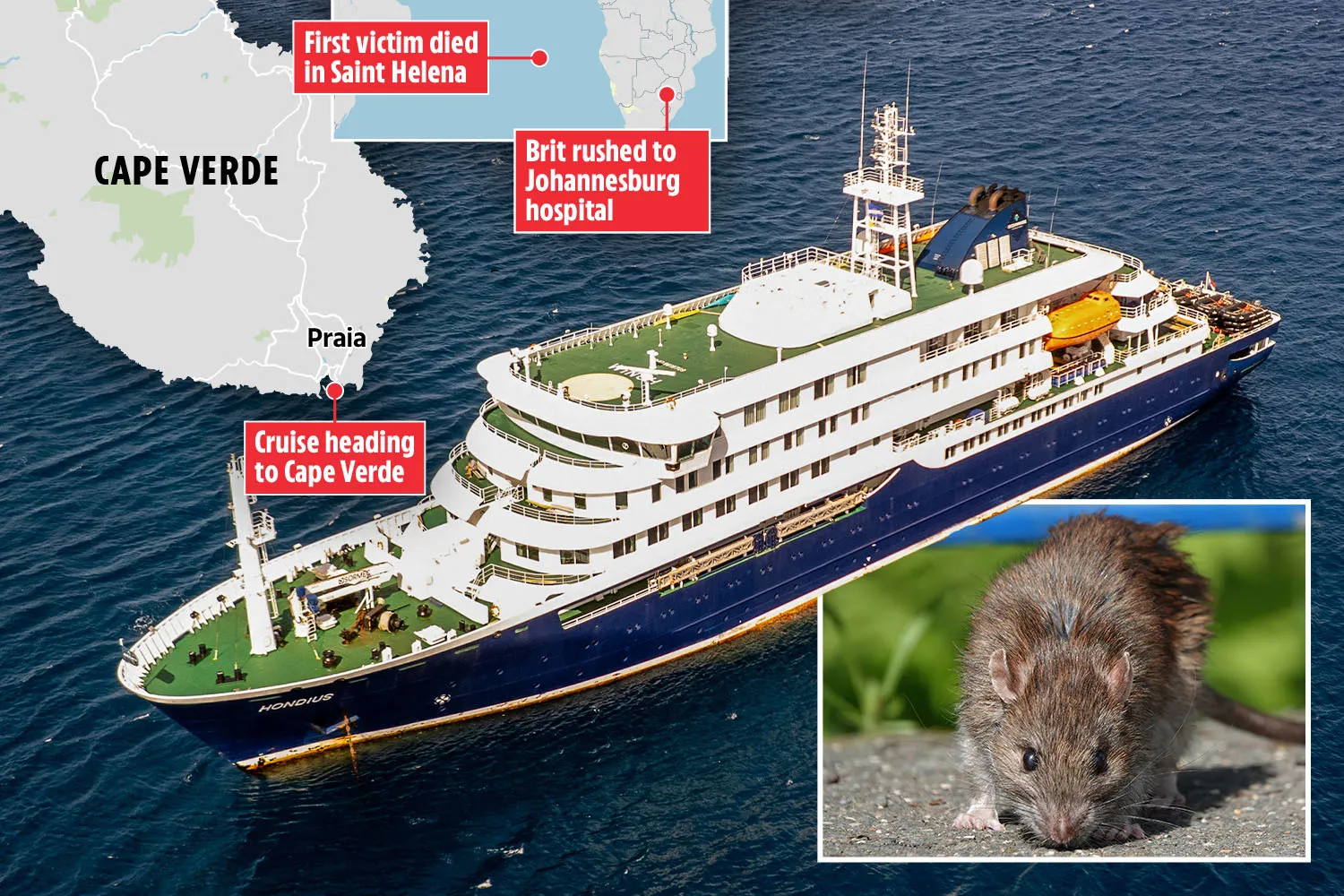
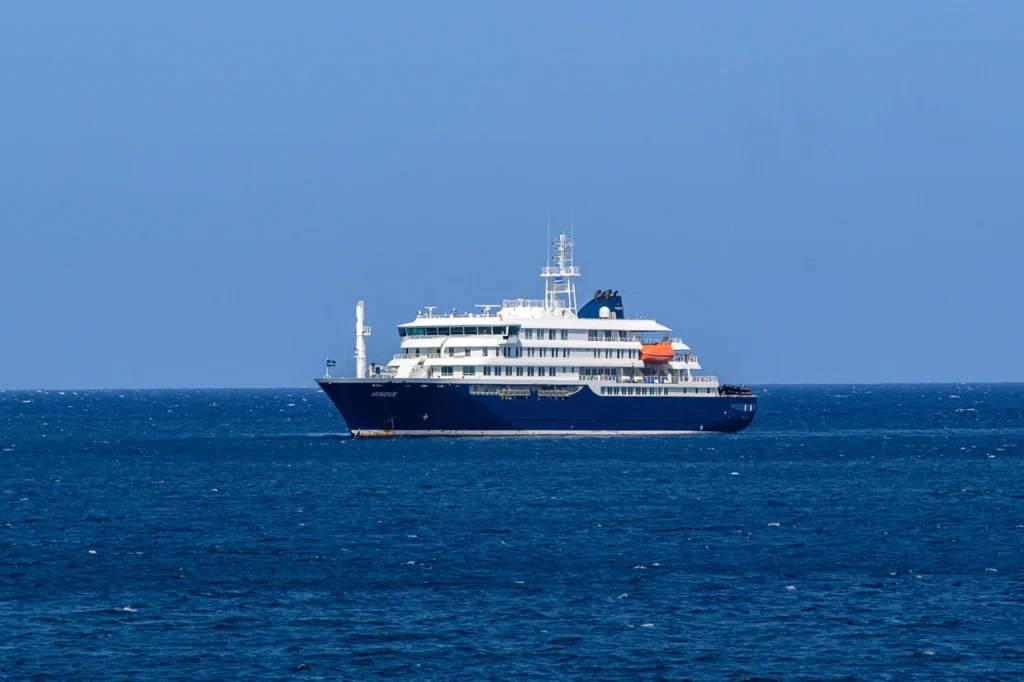
The vessel, identified as the MV Hondius, was operating a long-distance expedition cruise when the outbreak occurred. It had departed from South America weeks earlier and was heading toward Europe.
Timeline of Events
The sequence of events provides insight into how the outbreak unfolded:
- The cruise ship departed Argentina approximately three weeks before the incident
- Early symptoms were reported while the ship was in remote Atlantic waters
- The first death occurred onboard before reaching Saint Helena
- Additional cases emerged as the ship continued its journey
Authorities say the hantavirus cruise ship outbreak deaths were identified at different stages of the voyage, complicating response efforts.
Current Status of the Vessel
The ship is currently stationed off the coast of Cape Verde, where local authorities have restricted docking access. No passengers or crew have been allowed to disembark as health officials assess the situation.
Officials confirmed that:
- Medical teams have boarded the vessel for evaluation
- Two crew members require urgent medical attention
- Evacuation plans are under consideration
The containment measures are aimed at preventing any potential spread beyond the ship.
Victims and Reported Cases
The outbreak has resulted in three confirmed deaths, including an elderly couple. The circumstances surrounding each case highlight the seriousness of the situation.
Details of the Fatalities
The victims include:
- A 70-year-old man who died onboard the ship
- His wife, who later collapsed and died in South Africa
- A third victim whose body remains on the vessel
Health authorities confirmed that the couple were among the passengers, while investigations continue into the third fatality.
Patients Receiving Treatment
In addition to the fatalities:
- At least one patient is in intensive care in South Africa
- Two symptomatic crew members remain onboard awaiting medical evacuation
- Several others are being monitored for symptoms
Medical teams are providing care while further tests are conducted to confirm additional infections.
What Is Hantavirus?
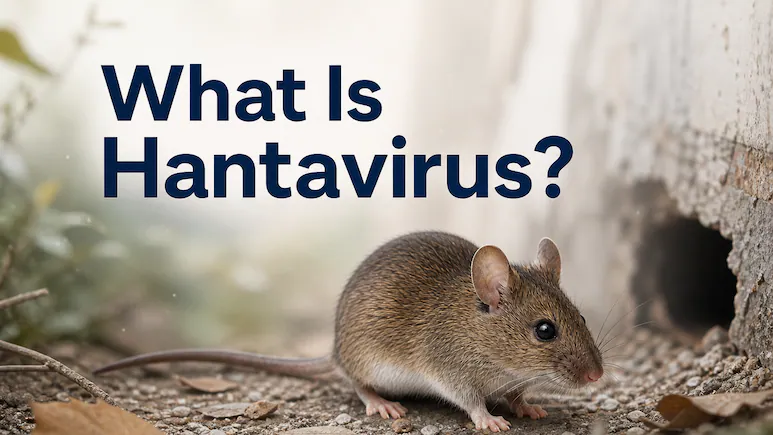
Hantavirus is a rare but potentially deadly virus primarily transmitted through contact with infected rodents. It has been reported in various parts of the world, though outbreaks are uncommon.
How the Virus Spreads
The virus is typically spread through:
- Contact with rodent urine or droppings
- Inhalation of contaminated particles in the air
- Touching contaminated surfaces and then the face
While rare, some forms of hantavirus may spread between humans under specific conditions.
Symptoms and Health Risks
Hantavirus infections can lead to two major illnesses:
- Hantavirus Pulmonary Syndrome (HPS), which affects the lungs
- Hemorrhagic Fever with Renal Syndrome (HFRS), which impacts the kidneys
Common symptoms include:
- Fever and fatigue
- Muscle aches
- Shortness of breath
- Severe respiratory complications in advanced cases
The hantavirus cruise ship outbreak deaths highlight how quickly the illness can become life-threatening without early treatment.
Response from Health Authorities
Global and regional health bodies are closely monitoring the situation and coordinating response efforts.
Ongoing Investigations
Health officials have launched a detailed investigation involving:
- Laboratory testing to confirm infections
- Contact tracing of exposed individuals
- Genetic sequencing of the virus
Authorities aim to understand how the outbreak began and whether additional risks exist.
Public Health Risk Assessment
Officials have emphasized that:
- The risk to the general public remains low
- There is no need for travel restrictions at this time
- Preventive measures are being strictly followed onboard
These statements are intended to prevent panic while ensuring transparency.
International Coordination
Multiple organizations are working together to manage the outbreak, including:
- National health departments
- International health agencies
- Maritime and port authorities
The collaboration ensures a coordinated response to the hantavirus cruise ship outbreak deaths and related cases.

Cruise Route and Travel Details
The voyage of the MV Hondius included several remote and high-risk regions, which may complicate outbreak tracing.
Journey Across the Atlantic
The cruise itinerary included stops at:
- Antarctica
- The Falkland Islands
- Remote Atlantic territories
These locations often have limited medical facilities, making emergency response more challenging.
Passenger and Crew Information
At the time of the outbreak:
- Approximately 150 passengers were onboard
- Around 70 crew members were part of the voyage
Authorities are working to identify and monitor all individuals who may have been exposed.
Containment and Safety Measures
Strict containment efforts are in place to control the situation and prevent further spread.
Actions Taken Onboard
The cruise operator has implemented:
- Isolation of symptomatic individuals
- Enhanced sanitation protocols
- Continuous health monitoring of passengers and crew
These measures aim to reduce transmission risk within the ship.
Port Restrictions and Monitoring
Cape Verde authorities have:
- Denied docking permission for the vessel
- Conducted health inspections offshore
- Monitored the situation closely
Such steps are critical in preventing any potential spread to land.
FAQ
What caused the hantavirus cruise ship outbreak deaths?
The deaths are linked to a suspected hantavirus infection, which is primarily spread through contact with infected rodents or contaminated environments.
Can hantavirus spread from person to person?
Human-to-human transmission is rare but possible in certain cases, depending on the strain of the virus.
Is it safe to travel after this outbreak?
Health authorities state that the overall risk to the public remains low, and no travel restrictions have been recommended.
What are early symptoms of hantavirus infection?
Early symptoms include fever, fatigue, muscle pain, and respiratory issues that can worsen if untreated.
Conclusion
The hantavirus cruise ship outbreak deaths underscore the challenges of managing infectious diseases in isolated environments like cruise vessels. While the situation remains contained, ongoing investigations and medical responses are crucial to understanding the outbreak and preventing future incidents. Health authorities continue to monitor developments closely while emphasizing that the broader public risk remains low.
PLEASE CLICK HERE FOR MORE NEWS