 0
0
 0
0
The Peter Obi Kwankwaso defection NDC development has drawn significant political attention after comments from the Obidient Movement described the move as a courageous step aimed at preserving democratic participation. The discussion centers around reported defections of prominent political figures into the Nigerian Democratic Congress (NDC) amid concerns over legal timelines and electoral processes.
The statement has sparked wider conversations about Nigeria’s evolving political landscape and the challenges faced by opposition actors during election cycles.
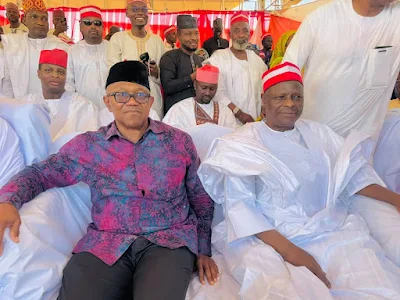
Obidient Movement Reacts to Alleged Defection to NDC
The Obidient Movement, a political support group aligned with Peter Obi’s political ideology, has reacted to reports concerning the Peter Obi Kwankwaso defection NDC narrative, describing it as a strategic and courageous decision.
Statement from the Movement Coordinator
Yunusa Tanko, the National Coordinator of the Obidient Movement, addressed the matter during a television interview, emphasizing that the reported move was not driven by political weakness but by necessity.
Key points from the statement include:
- The defection was described as a “courageous step”
- It was aimed at protecting democratic participation
- It was necessary due to legal and procedural constraints within the political environment
The Peter Obi Kwankwaso defection NDC claim was framed as a response to what was described as a challenging electoral process.
Reasons Cited for the Reported Political Move
The explanation provided by the Obidient Movement highlights several factors that allegedly influenced the reported shift to the NDC.
Legal and Electoral Timeline Concerns
A major issue raised was the tight electoral timeline, which was said to affect candidates’ ability to fully complete legal and procedural requirements.
According to the explanation:
- Submission deadlines were approaching rapidly
- Limited days remained for court-related processes
- Appeals and judicial reviews would require more time than available
This was presented as a central reason behind the Peter Obi Kwankwaso defection NDC narrative.
Political Environment and Stability Issues
The statement also pointed to broader concerns about the political environment.
These include:
- Alleged “toxic” political conditions
- Uncertainty surrounding party candidacy structures
- Concerns about fairness in electoral competition
The combination of these factors was described as influencing the reported decision.
Timeline Breakdown of the Political Situation
The discussion also included a breakdown of the timeline surrounding the alleged political developments.
Key Dates Highlighted
The timeline referenced includes:
- May 4: Beginning of the critical window
- May 8: End of working days within the period
- May 9–10: Weekend period limiting court activities
Impact on Political Processes
The explanation suggests that within this short timeframe:
- Multiple court processes would be required
- Appeals could follow initial judgments
- Final decisions would be difficult to conclude before deadlines
This timeline challenge was central to the justification for the reported Peter Obi Kwankwaso defection NDC decision.
Implications of the Reported Defection to NDC
The reported movement of political figures into the NDC has sparked broader discussions about opposition politics and electoral strategy in Nigeria.

Potential Impact on Opposition Politics
If confirmed, the development could:
- Strengthen the visibility of the NDC
- Reshape opposition alliances
- Influence voter perception ahead of elections
The Peter Obi Kwankwaso defection NDC discussion also highlights how political actors may respond to structural challenges within the electoral system.
Reactions from Support Groups
Supporters and affiliated groups have expressed varying interpretations of the development:
- Some view it as a strategic repositioning
- Others see it as a response to systemic pressure
- Political observers describe it as a significant shift in alignment
Broader Political Analysis of the Situation
The situation has been interpreted in different ways by political commentators, with attention focused on Nigeria’s democratic processes.
Electoral System Considerations
Analysts note that:
- Tight electoral schedules can affect candidate participation
- Legal disputes often overlap with campaign timelines
- Party transitions may occur under procedural pressure
These factors provide context for understanding the Peter Obi Kwankwaso defection NDC narrative.
Democratic Participation Concerns
The discussion also raises broader questions about:
- Accessibility of political participation
- Efficiency of electoral dispute resolution
- Stability of party systems
Such concerns are often central in emerging democracies with complex electoral frameworks.
Possible Future Developments
While the situation remains based on reported statements, several possible outcomes may follow depending on political and legal clarifications.
Expected Political Directions
Future developments may include:
- Official clarifications from involved political actors
- Further reactions from opposition parties
- Legal interpretations of electoral timelines
Public and Institutional Response
Public discourse may continue to evolve as:
- More information becomes available
- Political parties respond formally
- Electoral bodies provide clarification if necessary
The Peter Obi Kwankwaso defection NDC topic is likely to remain a point of political discussion in the short term.
FAQ
What is the Peter Obi Kwankwaso defection NDC about?
It refers to reported political movement involving Peter Obi and Rabiu Kwankwaso into the Nigerian Democratic Congress, as described by political support groups.
Why was the defection described as courageous?
It was described as courageous due to claims that it was made under tight electoral timelines and challenging political conditions.
What role did the Obidient Movement play in the statement?
The Obidient Movement provided commentary supporting the reported move, framing it as a necessary step for democratic participation.
How could this affect Nigerian politics?
It could influence opposition alignment, electoral strategy, and political discussions ahead of future elections.

Conclusion
The reported Peter Obi Kwankwaso defection NDC development has generated significant political discussion, particularly due to claims of tight electoral timelines and challenging political conditions. While interpretations vary, the situation highlights ongoing concerns about political participation and electoral processes within Nigeria’s democratic system. Further clarity from official political actors may provide more definitive direction in the coming days.
Click here for more news