 0
0
 0
0
The Hakan Fidan EU membership statement has renewed attention on Türkiye’s long-standing and unresolved bid to join the European Union, with the foreign minister arguing that the main barrier is political rather than technical.
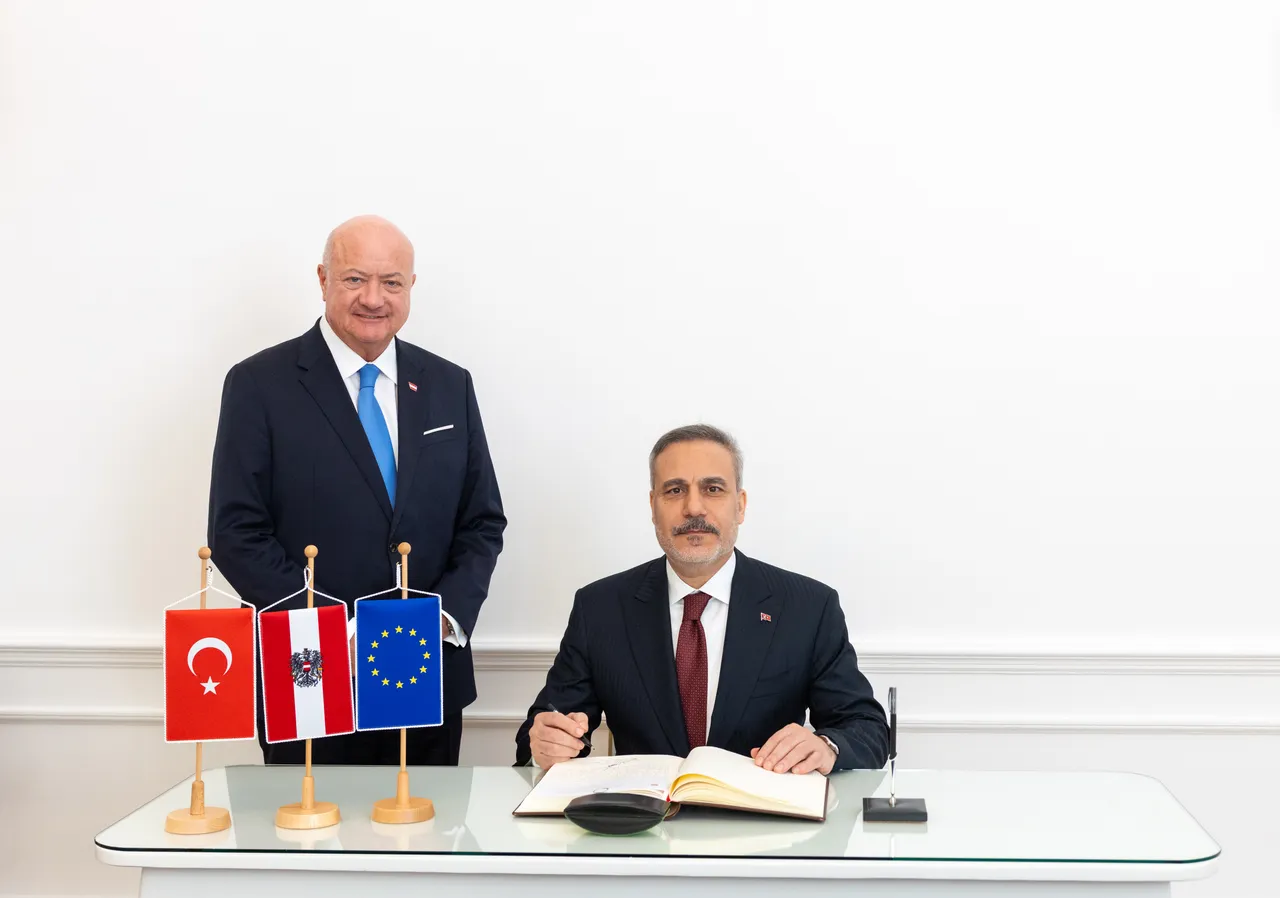
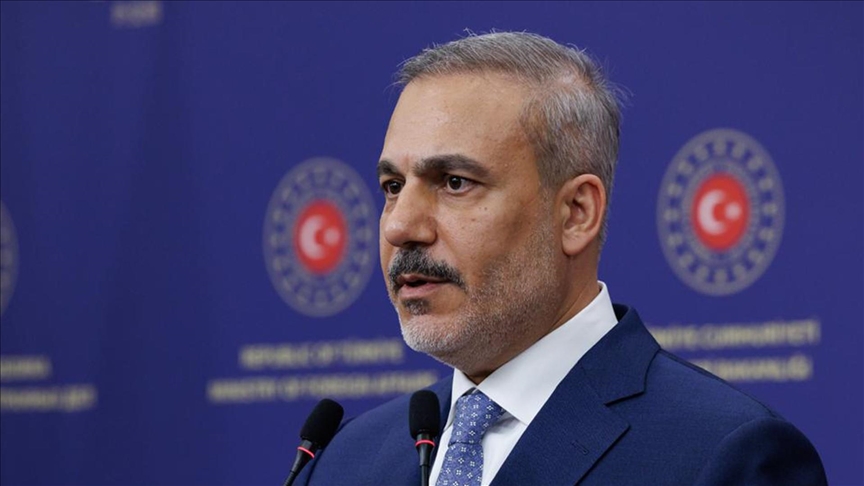
Speaking during an official visit to Vienna, Türkiye’s Foreign Minister Hakan Fidan emphasized that Ankara has already met many of the conditions required for membership. However, he said the process remains stalled due to a lack of political commitment from the European Union.
Fidan’s Core Message on EU Membership Process
Türkiye’s Foreign Minister Hakan Fidan delivered a clear message during his press conference in Austria: the issue is not compliance, but willingness.
EU Accession Conditions and Türkiye’s Position
Fidan stated that EU membership is based on predefined conditions that candidate countries must fulfill. According to him, Türkiye has consistently worked toward meeting these requirements.
He explained:
- Membership processes are structured around clear conditions
- Countries that meet those conditions should be accepted
- Türkiye has not requested exceptions or special treatment
The Hakan Fidan EU membership statement highlights Türkiye’s position that it seeks equal treatment rather than preferential access.
“No Political Will” Claim from Ankara
One of the central points raised by Fidan was the perceived absence of political willingness within the EU to advance Türkiye’s accession.
He argued that even if all technical conditions are fulfilled, progress is still blocked because:
- EU institutions lack consensus on Türkiye’s membership
- Political hesitation overrides procedural progress
- Enlargement policy is influenced by internal EU dynamics
Türkiye’s Long Road Toward EU Accession
Türkiye’s EU membership journey has been ongoing for decades, making it one of the longest-running accession processes in the bloc’s history.
Background of the Accession Process
Türkiye officially became an EU candidate country in 1999. Accession negotiations began in 2005, but progress has slowed significantly over the years.
Key phases include:
- 1999: Türkiye becomes official EU candidate
- 2005: Accession negotiations formally begin
- 2010s onward: Negotiations largely stall
Current Status of Negotiations
Today, many negotiation chapters remain frozen or inactive. The process is widely considered stalled, with limited momentum for reopening discussions.
The Hakan Fidan EU membership statement reflects ongoing frustration from Ankara regarding this stagnation.
Strategic Importance of Türkiye in Global Politics
During his remarks, Fidan also emphasized Türkiye’s geopolitical role, particularly in relation to regional security challenges.
Role in the Russia-Ukraine Conflict Context
Fidan pointed to the Russia-Ukraine war as a major example of Türkiye’s strategic importance. He suggested that Ankara plays a significant balancing role in regional diplomacy.
Key contributions include:
- Diplomatic mediation efforts
- Regional security cooperation
- Economic and logistical influence in the Black Sea region
Geopolitical and Geo-Economic Value
Türkiye’s position connects Europe, Asia, and the Middle East, giving it unique strategic relevance.
This includes:
- Control of key trade routes
- Influence over migration flows
- Energy transit pathways
According to the Hakan Fidan EU membership statement, these factors strengthen Türkiye’s case for EU membership.
EU Enlargement Debate and Internal Challenges
The European Union’s enlargement policy has become increasingly complex in recent years, influenced by political, economic, and security considerations.
Political Divisions Within the EU
EU member states often differ on expansion priorities. Some support enlargement for strategic reasons, while others express concerns about:
- Institutional capacity
- Migration impacts
- Rule of law standards
These divisions contribute to delays in accession decisions.
Shifting Priorities in Brussels
In recent years, the EU has focused more on:
- Internal stability
- Economic resilience
- Security coordination
This shift has slowed momentum on long-term enlargement commitments, including Türkiye’s bid.
Türkiye’s Position on Fair Treatment
Türkiye continues to argue that its accession process should remain based on objective criteria rather than political hesitation.
Emphasis on Equal Standards
Fidan’s remarks reinforced the idea that:
- Rules should apply equally to all candidates
- Fulfillment of criteria should lead to membership progress
- Political inconsistency undermines credibility of the process
Call for Clear Decision-Making
The Hakan Fidan EU membership statement indirectly calls for clearer direction from the EU regarding Türkiye’s future status.
Austria Meeting and Diplomatic Engagement
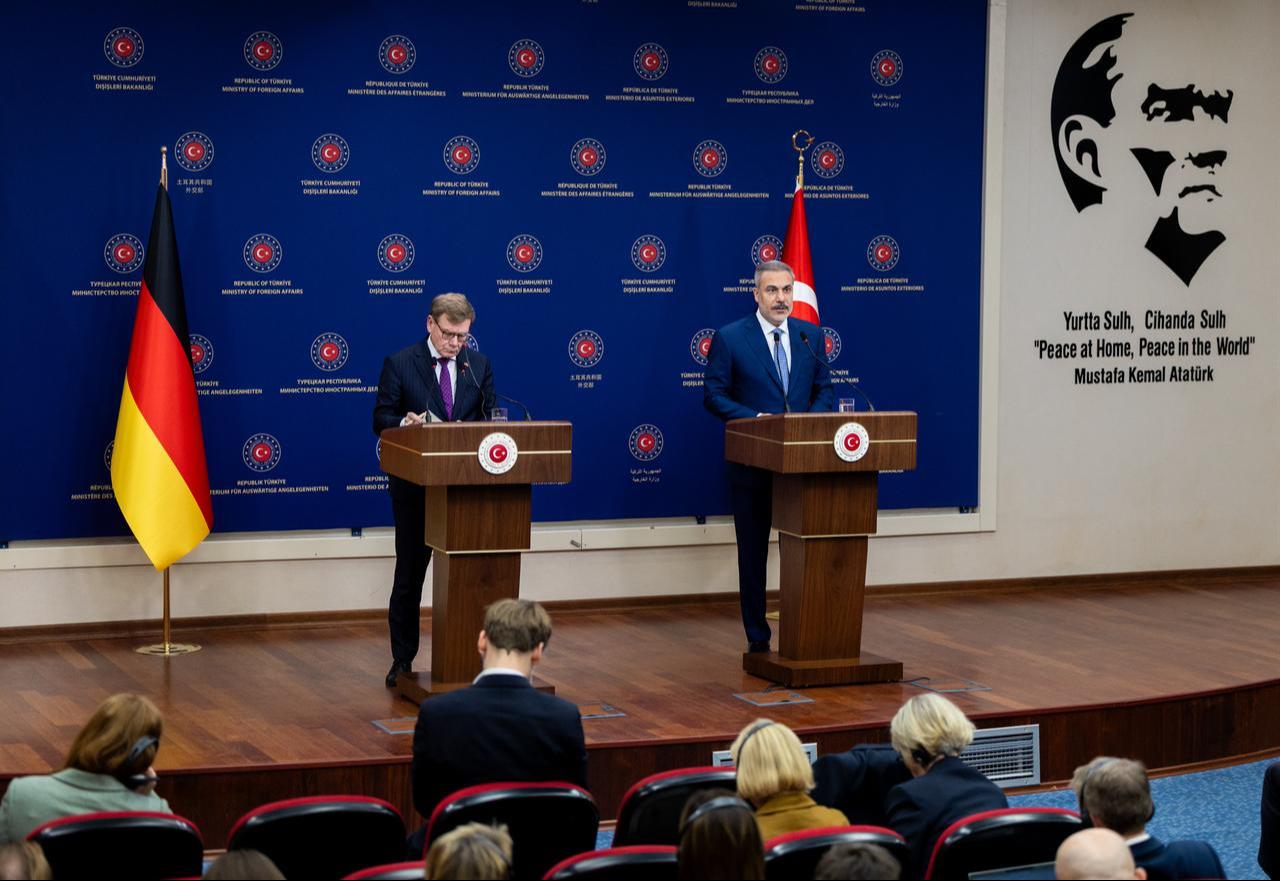
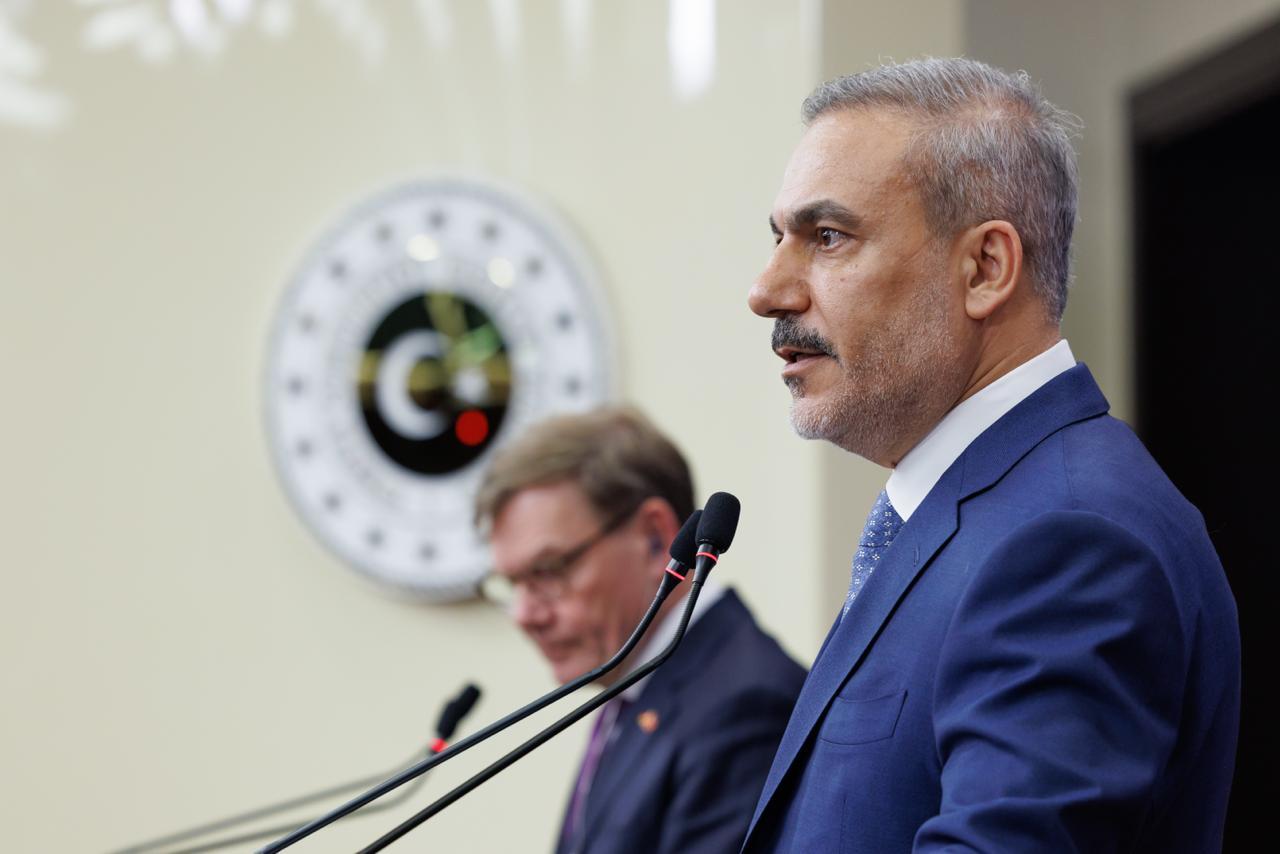
Fidan made the remarks during a joint press conference in Vienna alongside Austrian Foreign Minister Beate Meinl-Reisinger.
Diplomatic Context of the Visit
The visit reflects ongoing bilateral engagement between Türkiye and Austria, covering topics such as:
- Regional security
- Migration cooperation
- EU-Türkiye relations
Continued Dialogue Despite Stalled Accession
Even though accession talks remain frozen, diplomatic communication between Türkiye and EU member states continues at various levels.
Broader Implications for EU–Türkiye Relations
The comments from Türkiye’s foreign minister highlight broader questions about the future of EU–Türkiye relations.
Economic and Security Cooperation
Despite political challenges, both sides continue to cooperate in areas such as:
- Trade relations
- Border management
- Regional security coordination
Uncertain Future of Membership Talks
The long-term outcome of Türkiye’s EU bid remains unclear, with no formal timeline for renewed negotiations.
Frequently Asked Questions (FAQ)
What did Hakan Fidan say about Türkiye’s EU membership?
Hakan Fidan stated that Türkiye has met many conditions for EU membership but the process is stalled due to lack of political will from the European Union.
Why is Türkiye’s EU accession process delayed?
The accession process is delayed due to political disagreements within the EU, despite Türkiye fulfilling several technical requirements.
When did Türkiye start its EU membership process?
Türkiye became an EU candidate in 1999, and formal accession negotiations began in 2005.
What is the main issue raised in the Hakan Fidan EU membership statement?
The main issue is the claim that the EU lacks political willingness to accept Türkiye even if it meets membership criteria.
Conclusion
The Hakan Fidan EU membership statement underscores ongoing tensions in Türkiye’s relationship with the European Union. While Ankara insists it has met many required conditions, the EU’s internal political dynamics continue to shape the stalled accession process. The situation reflects broader challenges in enlargement policy and highlights the complex intersection of geopolitics, governance, and regional cooperation.
Click here for more news